Marshmallow vs Nougat: Product Comparison for Wholesale Buyers?
Marshmallow vs Nougat is not a flavor debate—it is a shelf-role and risk/cost decision. The problem is simple: you must choose the right product to hit your margin tiers, logistics risk tolerance, and labeling realities. The stakes rise with seasonality and compliance. The solution is to align your SKU to the channel brief, not curiosity.
Marshmallow vs Nougat for wholesale buyers comes down to shelf role, landed-cost risk, and compliance complexity. Marshmallow typically drives entry-to-mid price ladders with lower COGS and shape-led differentiation. Nougat anchors premium and gifting but brings higher ingredient cost, heat-chain sensitivity, and allergen labeling. Treat them as complementary tiers; choose one based on channel elasticity, promo cadence, and allergen policies.
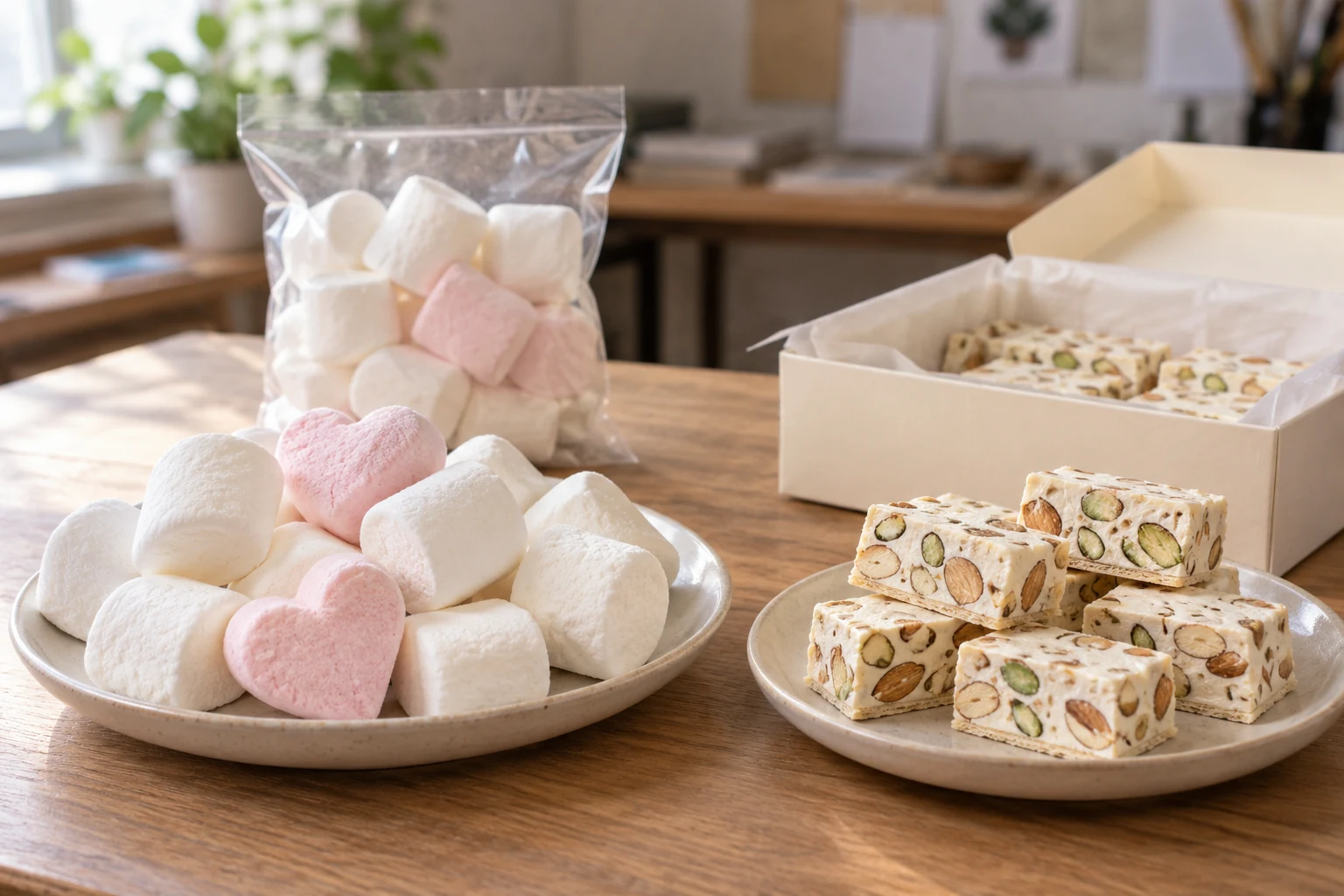
You probably know the customer-facing differences. The details that decide profit live behind the scenes: volumetric weight vs actual weight, humidity vs heat, gelatin claims vs nut/egg allergens, and the pack formats that prevent returns. Let’s unpack the operational decisions that separate a tidy reorder from a costly claim.
How does Marshmallow vs Nougat shape your margin tiers and shelf roles?
Wholesale margins look generous on paper until freight, wastage, and promotions squeeze them. Buyers need a stable entry product and a basket-lifting premium. The risk is treating one category as a substitute for the other. The fix is to tier the assortment: marshmallow for volume, nougat for premium and gifting.
Use Marshmallow vs Nougat as complementary tiers. Marshmallow offers lower COGS and elastic promotional velocity; nougat positions as premium with tighter margins due to higher ingredient inputs. If you must pick one SKU, align with your channel’s price elasticity and promo cadence. Retailers with frequent promos favor marshmallow; gifting channels justify nougat.
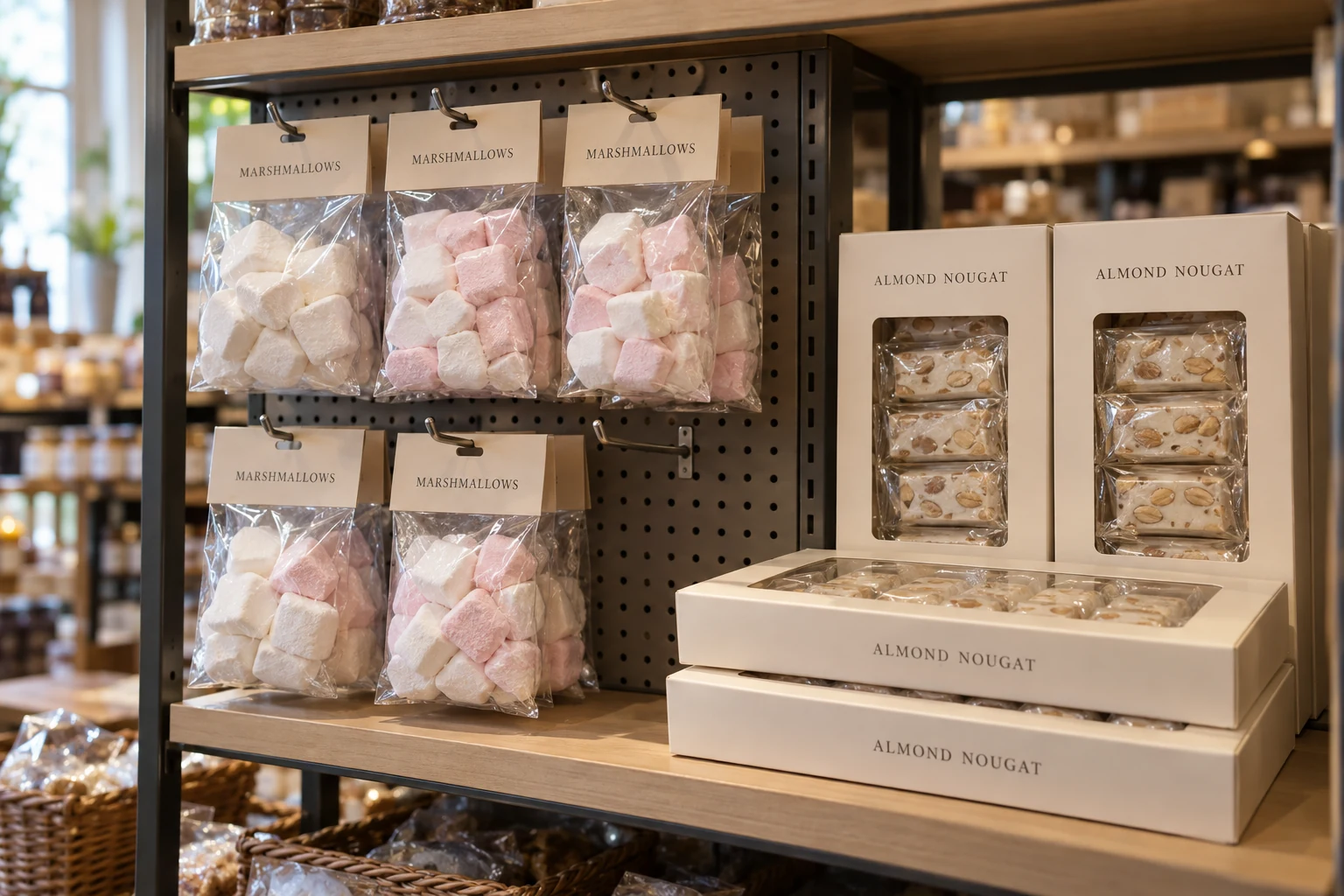
Dive deeper: margin mechanics and shelf role
I sit on the manufacturing side of shaped marshmallows and see how cost elements ladder up. Nougat insights here reflect buyer feedback and observations from partner supplier runs, not our production floor. Your numbers will vary by pack size, duties, and channel. Always validate with your supplier and internal finance.
-
Cost stack comparisons (indicative; verify for your channel):
- Marshmallow:
- Ingredients: sugar/glucose, gelatin, flavor, color
- COGS per kilo: generally lower due to inexpensive inputs and air incorporation1
- Value driver: shape-led novelty, color assortment, seasonal themes
- Nougat:
- Ingredients: nuts (almonds, pistachios), egg whites, honey/sugar
- COGS per kilo: higher due to nut/egg/honey; less air, higher density2
- Value driver: premium cues, gifting, heritage positioning
-
Shelf role logic:
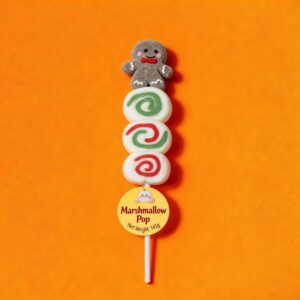
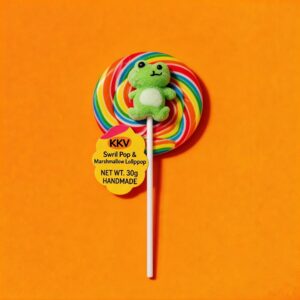
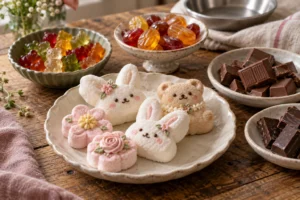
- Marshmallow excels as a volume driver. It fits entry-to-mid price ladders, frequent promotions, and seasonal displays. In our EU/US orders, shaped marshmallow often carries seasonal assortments—Halloween ghosts, holiday trees, Easter bunnies—because the unit economics absorb promo discounts.
- Nougat holds premium space. Buyers use it to anchor gifting ranges or elevate basket value. Its perceived quality and ingredient story justify price, but margins compress if you run frequent promos.
-
Promo cadence and elasticity:
- If your channel leans on weekly price drops and bundle deals, marshmallow absorbs the elasticity. A shaped marshmallow SKU can be refreshed with molds and colors without re-engineering base cost.
- If your channel has a premium/gift audience, nougat pays off in seasonal peaks but requires careful forecast windows. Run smaller, higher-quality batches rather than chasing entry volumes.
-
Practical anecdote:
- A US specialty retailer split the ladder: a $2.99–$3.99 marshmallow seasonal peg and a $7.99 nougat box for Q4 gifting. The marshmallow drove traffic and promo display turns; the nougat lifted basket value. Reorders followed the same pattern the next year with mold updates, not recipe overhauls.
Treat marshmallow and nougat as different tools. If you are forced to choose one, let the channel and promo playbook decide, not taste tests.
| Dimension | Marshmallow (shaped OEM/ODM) | Nougat (partner supplier channel) |
|---|---|---|
| Typical shelf role | Entry/mid ladder, seasonal volume | Premium/gifting anchor |
| COGS driver | Low-cost base, shape/tooling | Nuts/egg/honey inputs |
| Margin headroom | Wider | Tighter |
| Promo frequency | High | Low to moderate |
| Differentiation | Shape/color themes | Ingredient story/brand cues |
Where do logistics and seasonality tilt Marshmallow vs Nougat risk profiles?
You can set perfect margins and still lose money in freight and claims. The pain points differ. Marshmallow is bulky and humidity-sensitive. Nougat is dense and heat-sensitive. The solution is to match pack formats and shipping windows to these risks and budget for temperature control where needed.
Marshmallow vs Nougat risks split along freight math and climate. Marshmallow pays for volume (volumetric weight) and hates compression/humidity; nougat pays for mass (actual weight) and hates summer warmth, causing softening and oil migration. Plan pack engineering and shipping windows accordingly; add temperature control when your claim history justifies it.
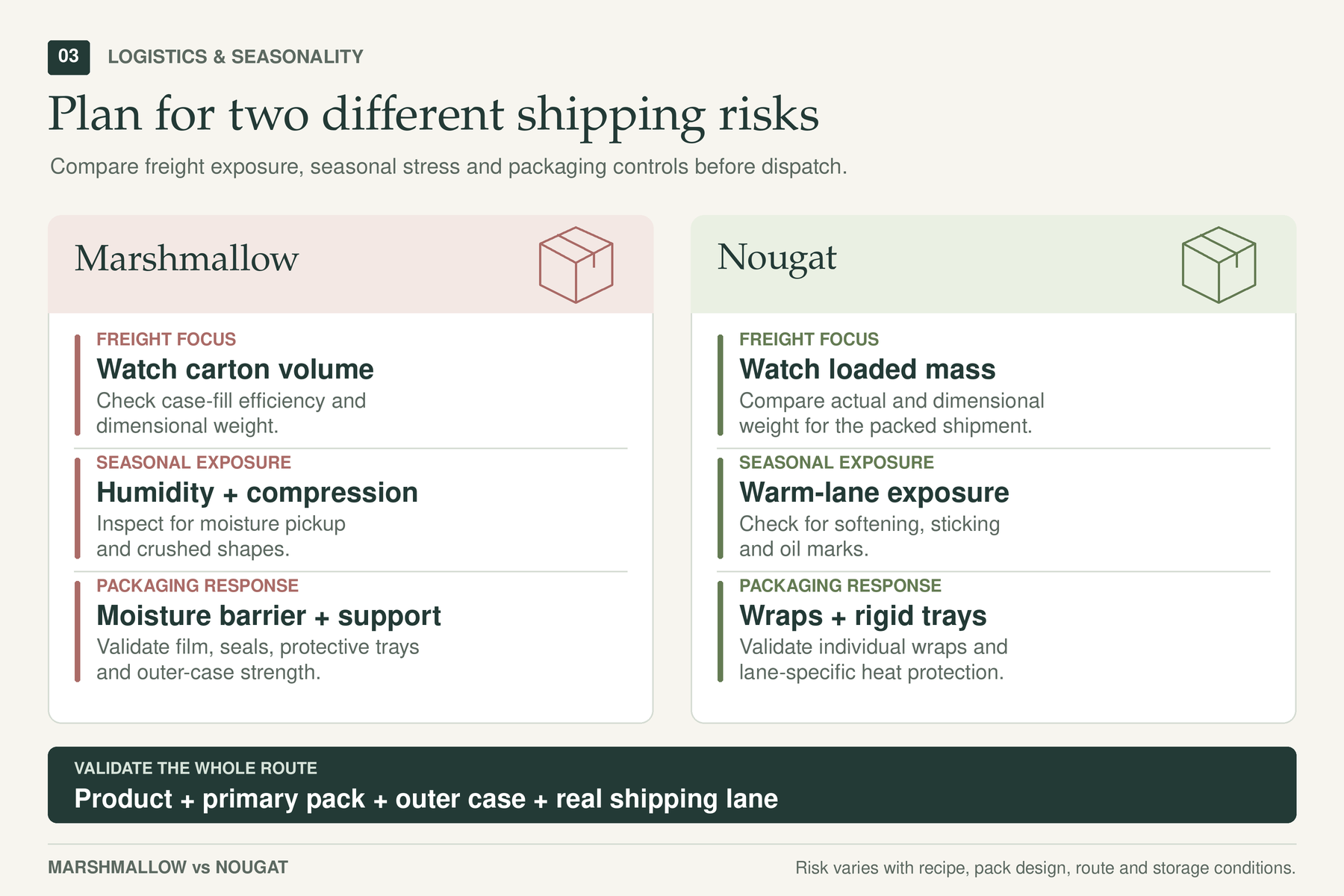
Dive deeper: freight math, claims, and packaging adjustments
From our factory’s shipping records, volumetric weight often dominates marshmallow freight.3 A 20-foot container reaches cube long before it hits weight limits. For partner-handled nougat shipments, buyers report the opposite: pallets push weight thresholds sooner.4
-
Freight examples (illustrative; verify with your forwarder):
- Marshmallow:
- 12 x 150 g stand-up pouches per carton, 8 cartons per master
- Carton dimensions drive volumetric weight; air space matters
- Freight optimizes via compression-resistant packing and tight primary pouches to reduce dead air
- Nougat:
- 200–500 g gift boxes with inner trays
- Actual weight dominates freight; nuts are heavy
- Focus on load stability and limiting stack pressure to avoid deformation in summer
-
Climate exposure:
- Marshmallow:
- Failure modes: surface stickiness in high humidity5, deformation from compression, bloom from sugar migration if moisture fluctuates
- Mitigations: metallized films, inner trays or rigid blisters for shaped pieces, desiccant packs, humidity-controlled staging at origin
- Nougat:
- Failure modes: softening and stickiness in heat waves, oil migration from nuts6, differential shrink wrap tension causing warping
- Mitigations: cool-chain segments (e.g., insulated liners, gel packs on LTL legs where feasible), heat-resistant films, shorter lead times in summer
-
Claim patterns we have observed:
- For marshmallow: increased compression-related complaints during monsoon periods for certain Southeast Asia transshipment routes. We respond with deeper outer cartons and revised pallet patterns to reduce top-layer crush.
- For nougat (reported by buyers and partner suppliers): upticks in softening and sticking during summer logistics in southern US and Mediterranean lanes. Some buyers shifted to shoulder-season imports or added insulated packaging. Thresholds vary by recipe and pack; do not assume one-size-fits-all.
-
Pack design levers:
- Marshmallow:
- Upgrade from OPP to PET/PE or metallized films when tackling humidity
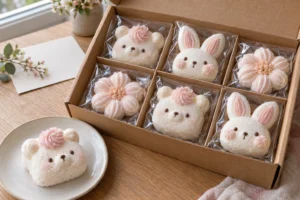
- Add structural supports (trays, blisters) for delicate shapes
- Increase case-fill efficiency to reduce air, but do not compress product beyond a validated limit
- Nougat:
- Use individual flow-wraps with anti-stick coatings or paper wraps
- Add rigid inner trays and tight tolerances to reduce movement
- Consider vacuum or MAP where compatible with texture; validate with shelf testing
-
Budgeting for temperature control:
- Reserve temperature-control budget for proven problem months or lanes with repeated claims
- Use small-scale pilots: one refrigerated LCL and one ambient control to compare outcomes
- Track write-offs vs temperature-control costs. Make the decision empirical, not theoretical
In short, marshmallow pays for space, nougat pays for heat. Build your landed-cost model to reflect which variable is more punishing on your route.
Which compliance and allergen factors decide your Marshmallow vs Nougat SKU architecture?
One label for two continents sounds efficient until allergens stop you. The risk is underestimating multi-market allergen harmonization and line segregation. Marshmallow simplifies claims if you control gelatin specs. Nougat introduces nuts and egg white. The fix is to design SKUs for compliance first, not after pack design.
For Marshmallow vs Nougat, compliance sets your SKU roadmap. Marshmallow hinges on gelatin source and dietary claims; nougat often requires nut and egg allergen labeling7, and sometimes honey origin constraints. If you need one label for EU/US or nut-free environments, marshmallow is safer; nougat demands separate SKUs and stricter allergen workflows.
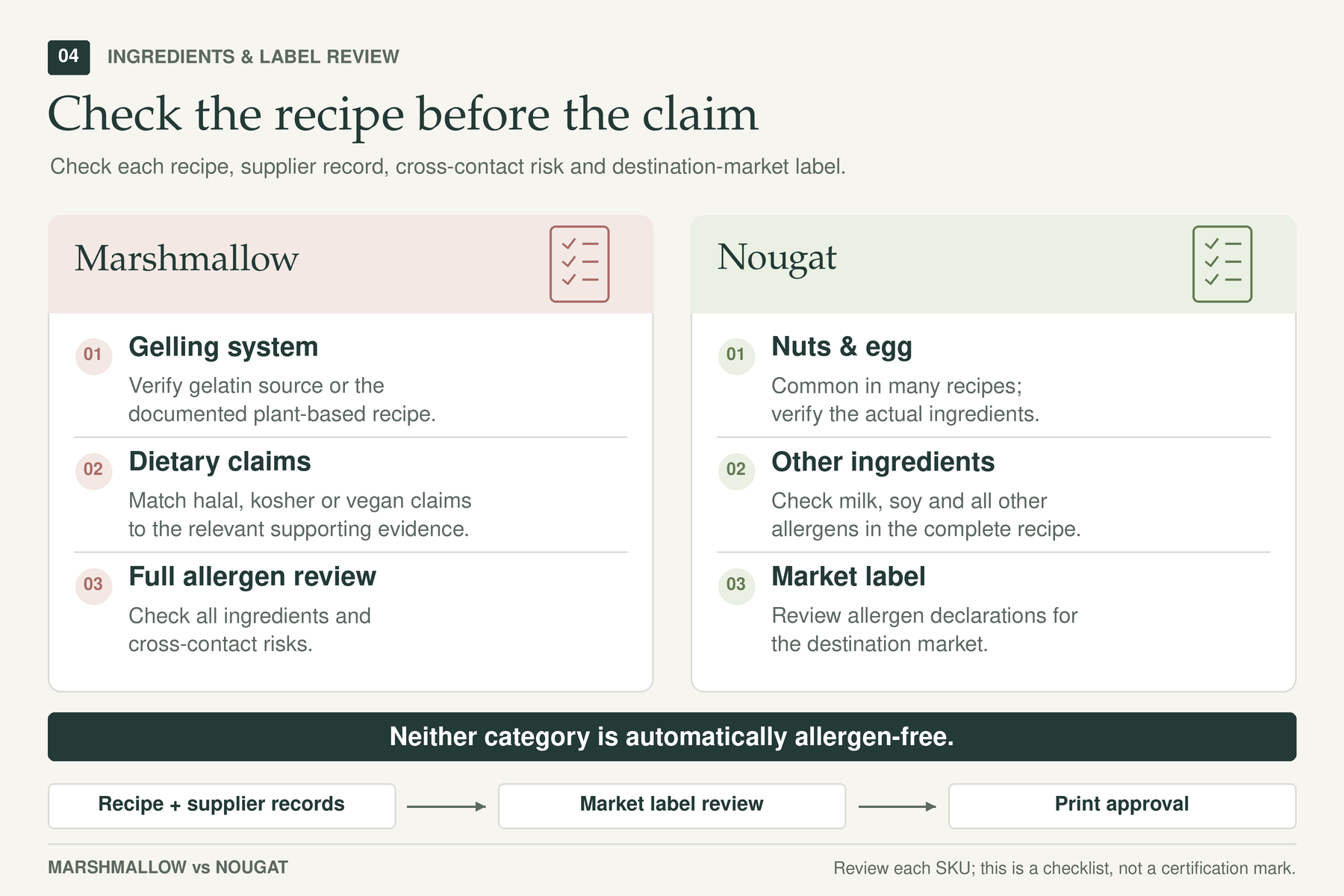
Dive deeper: labels, allergens, and audit readiness
I work within BRC, ISO 22000, HACCP, GMP, FDA-registered frameworks for marshmallow. We advise buyers to verify every certification document and run their own audits, because retailer acceptance rules vary.
-
Marshmallow compliance focal points:
- Gelatin source and claims:
- Halal/Kosher/vegetarian status depends on gelatin origin and process8
- Vegetarian claims often require pectin/agar systems, which change texture; validate sensory expectations
- Colors/flavors:
- EU regulations on certain azo dyes and warning statements9
- Natural flavor claims differ between EU and US; align copy
- Allergen control:
- Marshmallow typically avoids major allergens if produced in dedicated lines10; verify cross-contact statements
- Documentation:
- BRC certificate, HACCP plan, ingredient declarations, CoAs per batch
-
Nougat compliance focal points (buyer and partner supplier feedback):
- Allergen stack:
- Nuts (almonds, pistachios) and egg whites are common; label clarity is critical
- Retailers with nut-free policies may exclude nougat entirely from certain planograms
- Honey origin and claims:
- Country-of-origin disclosures can be required; verify for your markets
- Line segregation:
- Facilities require strict allergen segregation; audit the supplier’s SSOPs and changeover protocols
- Multi-market labels:
- Dual compliance (EU/US) gets complex with allergen phrasing and font requirements; often better to run separate SKUs
-
Strategy: design SKUs from compliance backward
- If you need a single label across EU/US, marshmallow is viable with controlled gelatin and coloring. We run EU-compliant labels with country-specific adjustments for US markets by template, which lowers rework risk.
- If nougat is essential, plan distinct SKUs by region and retailer policy. Budget line-time for allergen changeovers and separate storage. Run small trial orders to validate packaging copy and shelf-life.
-
Retailer audits:
- Many EU/US chains require BRC or equivalent, plus SMETA for social compliance
- Prepare allergen matrices, traceability mock recalls, and supplier approvals for every raw input (gelatin, nuts, egg)
- For nougat partners, insist on recent third-party audits and conduct on-site or virtual walkthroughs before first POs
Compliance is a design constraint. Embrace it early and avoid reprinting labels or, worse, withdrawing stock.
Private label brief: when should you pick Marshmallow vs Nougat or both?
Briefs compete for shelf space and budget. The risk is trying to stretch one product into the wrong role. The fix is to map the brief to decision rules: marshmallow for fast differentiation and broad diets; nougat for premium cues where allergen and warm-chain budgets are acceptable.
Choose Marshmallow vs Nougat by brief. Pick marshmallow when speed, shape differentiation, and broad dietary reach matter. Pick nougat when premium gifting cues and brand storytelling drive value and you can manage allergens and summer logistics. In large assortments, run both: marshmallow for volume, nougat for basket lift.
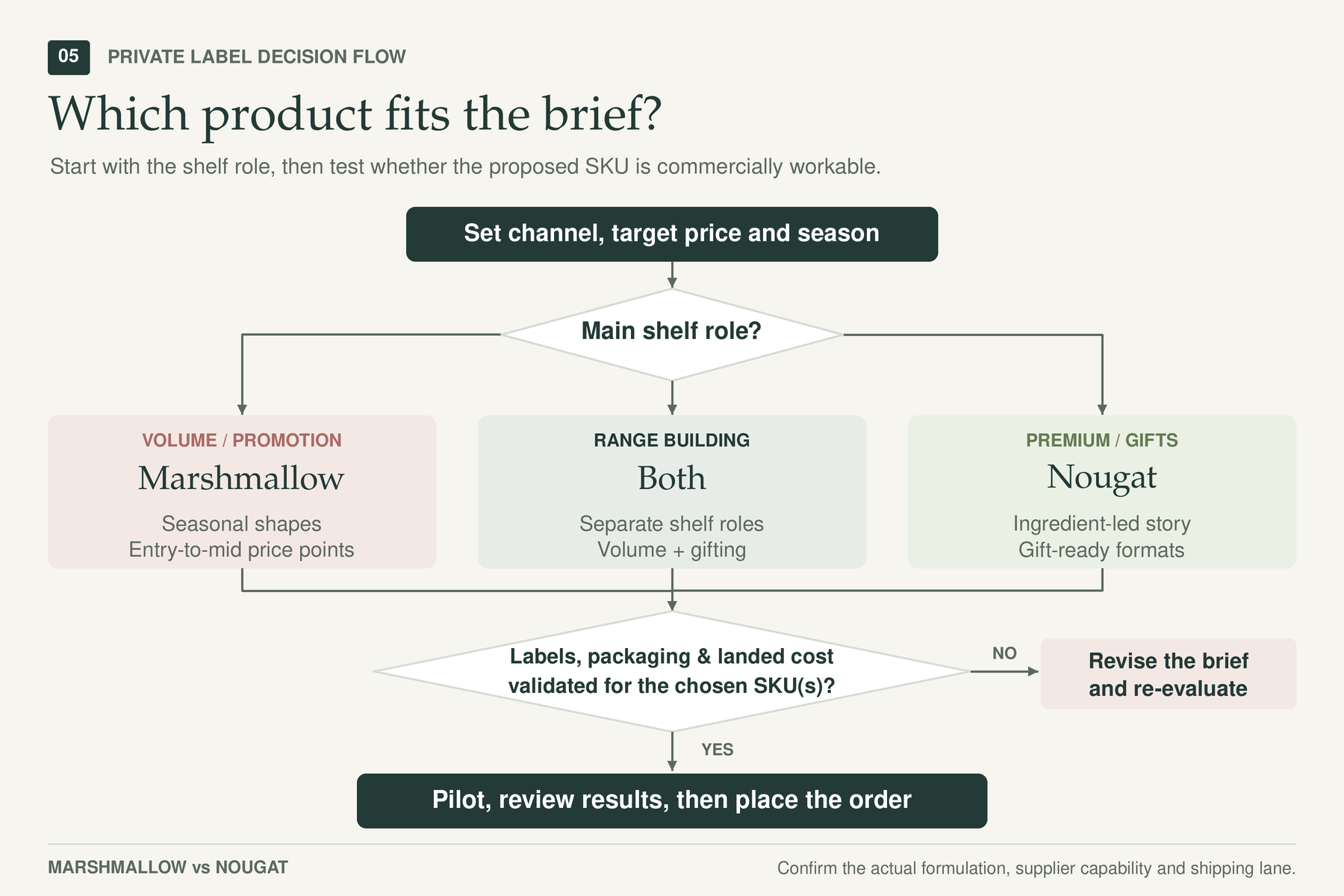
Dive deeper: decision rules, scenarios, and lessons
Here is how I coach buyers when we scope private label programs.
-
Decision rules:
- Choose marshmallow when:
- You want fast, shape-led differentiation with seasonal rotations
- You need entry-to-mid price points with promo flexibility
- You require one label across EU/US or nut-free planograms
- Your freight lanes penalize volumetric less than claim risk penalties
- Choose nougat when:
- You aim for premium gifting, heritage or ingredient storytelling
- You can support allergen management, separate SKUs, and retailer policies
- You can budget warm-chain mitigation in summer lanes
- You want to raise basket value without promo dependency
-
Assortment strategy:
- If you manage a 6–12 SKU candy set:
- Place 2–4 marshmallow SKUs as seasonal core to drive turns
- Add 1–2 nougat boxes during Q4 or Spring gifting windows to lift basket value
- Use contrasts: whimsical shapes vs artisanal nougat visuals to avoid cannibalization
- If you have to pick one:
- For mass channel or frequent promos: marshmallow
- For specialty/gift channel with controlled climate and higher ASPs: nougat
-
Anecdotes from orders:
- EU discount chain: We delivered a 3-SKU marshmallow seasonal set with strict cube efficiency. The buyer re-upped the next season with new molds and identical outer-box dimensions for continuity.
- US gift-basket company: Their nougat runs through a partner supplier performed strongly in winter but saw elevated summer claims before they added insulated liners for warm regions. They shifted to seasonal import windows and reduced claims.
-
Risk triage:
- If you lack allergen-compliant lines or labels, do not start with nougat. The back-office friction will outweigh the premium price point.
- If your warehouse environment struggles with humidity, marshmallow packaging must upgrade before scaling.
-
Speed to shelf:
- Marshmallow molds can be designed and tooled quickly. We maintain a large mold library and can tweak colors/flavors fast. That enables multiple drops per season with low rework.
- Nougat differentiation tends to lean on nut origin and finishing format. Supplier lead times can be longer, and changeovers cost more due to allergen protocols.
When briefs are clear, the product choice becomes obvious. When briefs are vague, run pilots in both categories and let early numbers guide the rollout.
What packaging formats mitigate damage, stickiness, and shelf-life risk?
Packaging is your first control against environmental stress. The risk is under-specifying films and structures to hit a cost target and paying later in returns. The solution is targeted materials and structures that address each product’s failure modes, verified by shelf tests.
Use packaging to neutralize known risks. Marshmallow benefits from barrier films, rigid supports for shapes, and desiccants in humid lanes. Nougat benefits from individual wraps, rigid trays, and heat-mitigating materials. Validate with accelerated shelf and shipping tests before committing to full runs.
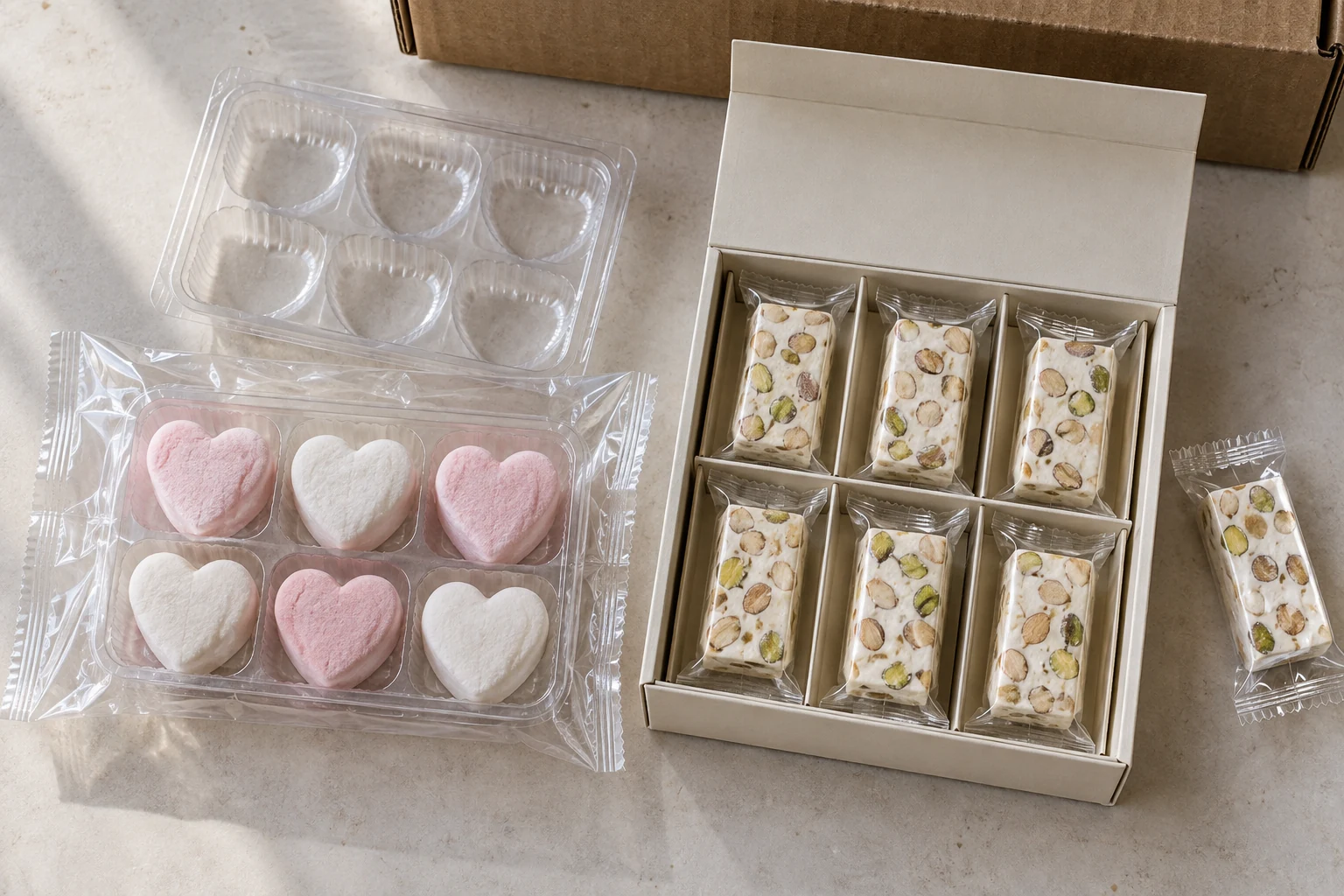
Dive deeper: material choices, structures, and testing
I find that a small upgrade in primary film or an added tray often pays for itself in freight and claims.
-
Marshmallow packaging playbook:
- Primary films:
- Move from plain OPP to PET/PE laminates or metallized OPP for better moisture barrier
- Consider matte or soft-touch finishes for premium lines without sacrificing barrier
- Structures:
- Rigid inner trays or blister cavities protect shaped pieces from compression
- Stand-up pouches with zipper closures maintain integrity after first opening
- Add-ons:
- Desiccant sachets in high humidity routes
- Nitrogen flushing where compatible with pack machinery to stabilize texture
- Outer packaging:
- Deeper cartons or reinforced corners to prevent top crush
- Palletization patterns that limit stack pressure; use interlayers on top tiers
-
Nougat packaging playbook:
- Primary wraps:
- Individual flow-wraps with anti-stick coatings or waxed papers
- Paper-wrapped artisanal styles need inner OPP to reduce oil migration
- Inner protection:
- Rigid trays to prevent movement and deformation at elevated temps
- Tight tolerances so pieces do not rattle or scuff
- Outer formats:
- Gift boxes with inner liners; consider varnishes that resist oil marking
- Shrink wraps balanced for heat sensitivity to avoid warping
- Heat mitigation:
- Foil-lined boxes, insulated shipper options for direct-to-store deliveries
- Seasonal pack changes: lighter films in winter, higher barrier in summer
-
Testing protocols:
- Accelerated shelf-life: run 35–40°C at controlled RH tests for nougat; 25–30°C high humidity tests for marshmallow. Calibrate with your product specs.
- Shipping simulations:
- Drop tests to ISTA standards11
- Compression tests to validate stack heights across ocean and last-mile legs
- Lane-specific pilots in shoulder seasons before summer or monsoon peaks
-
Cost-benefit:
- Add 1–2 cents per unit on materials vs. 2–5% claim reduction on seasonal lanes can be ROI-positive
- For marshmallow, trays protect shapes that command higher retail and justify the added cost
- For nougat, individual wraps reduce stickiness and consumer complaints, preserving brand trust
Packaging is not just a cost line; it is insurance against predictable failure modes.
What supplier evaluation criteria matter most for Marshmallow vs Nougat first orders?
Supplier selection will make or break your first season. The risk is over-indexing on samples and underweighting process control and audit readiness. The solution is to combine certifications, pilot QC, and shipping rehearsals.
For Marshmallow vs Nougat, prioritize verified certifications, pilot batches with clear AQL, and logistics rehearsals. Validate allergen management for nougat suppliers and gelatin claims for marshmallow. Use golden samples, spec sheets, and small-lot pilots before scaling.
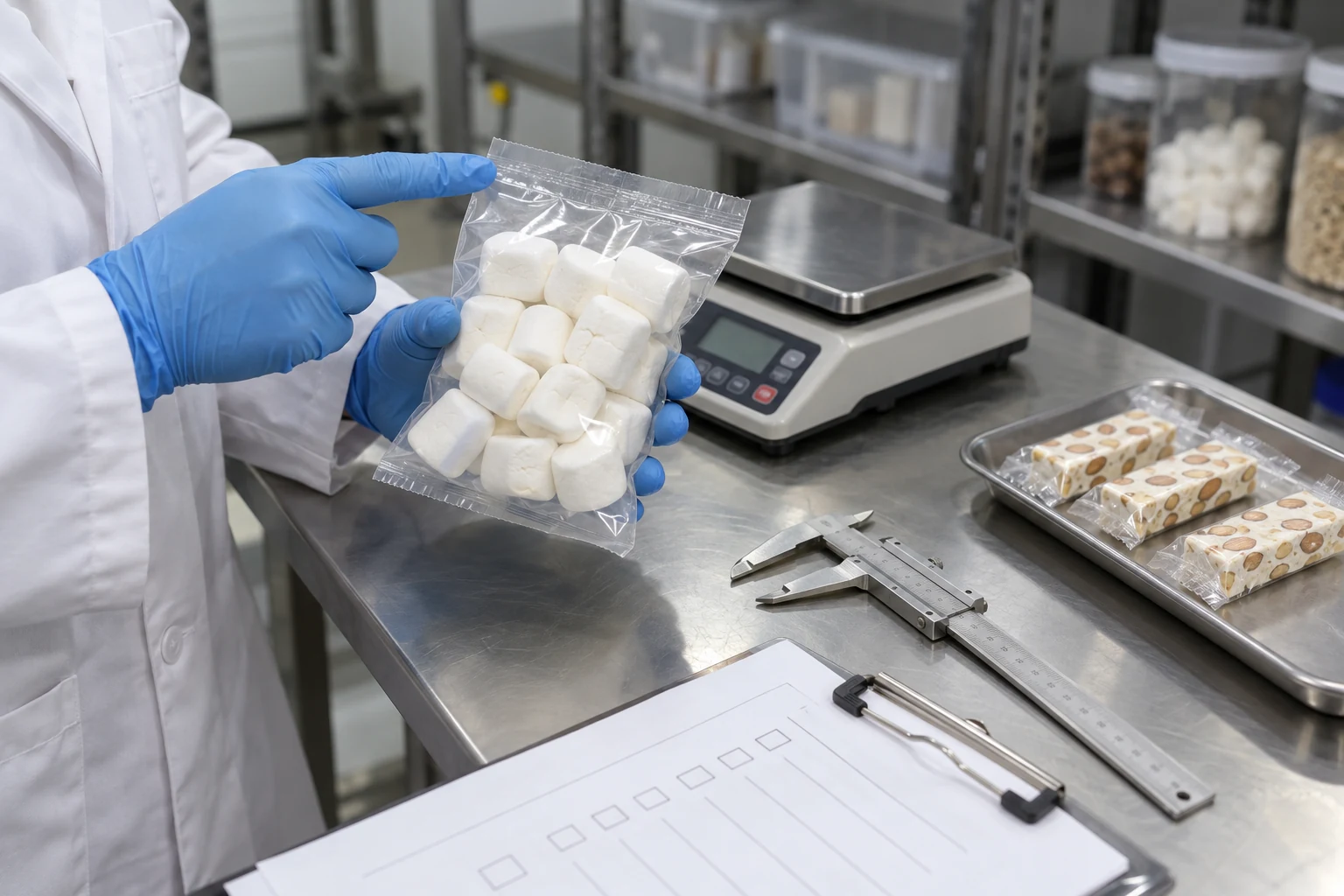
Dive deeper: audits, pilots, and QC playbooks
On marshmallow, we operate under BRC, FDA registration, SMETA, ISO 22000, HACCP, and GMP. Buyers should verify documents and align with their retailer’s acceptance lists. For nougat partners, demand equivalent evidence and assess allergen management in detail.
-
Certifications and documents to verify:
- Marshmallow suppliers:
- BRC or GFSI-recognized certificate
- FDA registration (for US-bound shipments)12
- HACCP plan and ISO 22000
- SMETA or equivalent social audit
- Ingredient CoAs; gelatin source documentation for halal/kosher/vegetarian claims
- Nougat suppliers:
- Same baseline (BRC/GFSI, HACCP)
- Allergen control protocols (nuts, egg white)
- Honey origin and nut supplier approvals
- Traceability tests and mock recalls with documented times
-
Pilot and QC approach:
- Golden samples:
- Lock form, weight, color, and taste with a signed spec
- Include packaging specs: film structure, tray dimensions, carton burst strength
- First production runs:
- Set AQL for visual defects, weight variance, sealing integrity
- Define corrective actions and hold points
- Shelf-life and shipping:
- Run accelerated and real-time tests concurrently
- Ship a pilot lot through the intended lane before full PO; compare outcomes
-
Logistics rehearsals:
- Define incoterms and responsibilities for temperature control
- Book forwarders with lane experience for your category
- Add cargo insurance with declared value aligned to premium lines, especially for nougat
-
Performance metrics for first orders:
- OTIF (On Time In Full): target >95% for launch windows
- Defect rate targets: set by category; track consumer complaint rates by SKU and month
- Claim thresholds: if claims exceed a pre-agreed threshold in peak season, trigger packaging or logistics changes
-
Relationship management:
- Run quarterly reviews in the first year to capture seasonal effects
- Update molds, colors, or box art for marshmallow between seasons
- For nougat partners, lock seasonal schedules early to avoid warm-chain bottlenecks
The first order is your system test. Structure it to learn quickly without risking a full-season write-off.
Frequently Asked Questions
Are marshmallows or nougat better for summer shipments?
Marshmallows generally handle summer heat better than nougat, but they dislike humidity and compression. Nougat softens and can show oil migration in heat. If you must ship nougat in summer, plan insulated packaging and shorter lanes. For marshmallow, upgrade barrier films and add structural supports to manage humidity and stacking.
Can I use one label for both EU and US markets?
Sometimes for marshmallow, yes—if you control gelatin claims and colorants to meet the stricter regime. We maintain EU-first labels with US variants. For nougat, allergens and phrasing often force separate SKUs. Verify with your regulatory team and run retailer label reviews before printing.
What pack sizes work best for entry price points?
For marshmallow, 100–150 g stand-up pouches or peg bags typically hit entry-to-mid points in mass channels. For nougat, 150–250 g boxes align with premium but avoid sticker shock. These ranges depend on your geography, duties, and channel norms—validate with your merchandising and finance teams.
How do I reduce freight costs on bulky marshmallow?
Tighten primary packs to reduce air, use compression-resistant trays to allow denser case pack, and standardize master carton dimensions for better cube. Reassess pallet patterns. Our best results come from balancing lower air with a no-deformation limit verified by transit tests.
Do you produce nougat?
We do not produce nougat. Our nougat insights come from buyer feedback and partner-supplier collaborations. We can share channel observations and, if needed, connect you with vetted partners. For marshmallow, we are an OEM/ODM factory with full development, certification, and export experience.
Conclusion
Marshmallow vs Nougat is a procurement decision about shelf role, landed-cost risk, and compliance—not a taste contest. Marshmallow gives you low COGS, shape-led differentiation, and broad dietary reach. Nougat gives you premium positioning with tighter margins and more complex logistics and allergens. If you need the volume driver, start with marshmallow. If you need a gifting anchor and can manage warm-chain and allergens, add nougat. If you want both, tier them.
If you are planning your next seasonal range, contact us. As a China-based shaped marshmallow OEM/ODM factory (brand York) serving EU/US buyers, we can prototype shapes, tailor colors and flavors, and design packaging to your channel. We will also share practical learnings from partner nougat programs so you can build a resilient, profitable assortment.
"Marshmallow", https://en.wikipedia.org/wiki/Marshmallow. An encyclopedia overview of marshmallows describes them as sugar- and gelatin-based aerated confections, indicating simple ingredients and substantial air incorporation relative to denser candies. Evidence role: mechanism; source type: encyclopedia. Supports: That marshmallows are made primarily from sugar syrups and gelatin whipped into a foam, implying inexpensive inputs and significant air incorporation compared with denser confections.. Scope note: The source explains composition and structure but does not quantify COGS or compare marshmallow costs to nougat. ↩
"Montélimar nougat", https://en.wikipedia.org/wiki/Mont%C3%A9limar_nougat. Reference material on nougat reports formulations of honey/sugar syrups with whipped egg whites and nuts, yielding a comparatively dense confection versus highly aerated sweets. Evidence role: mechanism; source type: encyclopedia. Supports: That nougat is traditionally made from honey or sugar syrup with whipped egg whites and nuts (e.g., almonds, pistachios) and is a dense confection compared with highly aerated candies.. Scope note: The source does not provide cost data; it supports ingredient composition and relative density only. ↩
"Dimensional weight", https://en.wikipedia.org/wiki/Dimensional_weight. Definitions of dimensional (volumetric) weight explain that carriers charge low-density shipments by calculated volume-based mass, making bulky items cost out by space rather than true weight. Evidence role: definition; source type: encyclopedia. Supports: That freight carriers apply dimensional/volumetric weight pricing, which charges low-density, bulky packages based on volume rather than actual mass.. Scope note: This documents the pricing principle but does not include marshmallow-specific freight data. ↩
"Developing Low-Calorie Marshmallow Products Using Polyols ...", https://pmc.ncbi.nlm.nih.gov/articles/PMC12509025/. Engineering and food science references list higher bulk densities for nuts relative to aerated confections, supporting the expectation that nut-dense products reach shipping weight limits before cube limits. Evidence role: mechanism; source type: education. Supports: That nuts have relatively high bulk density compared to aerated confections, implying nut-dense products pack more mass per unit volume and are likely to be weight-limited in shipping.. Scope note: The support is inferential; it does not present pallet-level data for nougat shipments. ↩
"Moisture and shelf life in sugar confections", https://pubmed.ncbi.nlm.nih.gov/20112158/. Food science studies of sugar confections show that increased relative humidity drives moisture sorption and surface tackiness in aerated, sugar-rich matrices comparable to marshmallow. Evidence role: mechanism; source type: paper. Supports: That moisture sorption at elevated relative humidity increases surface tackiness/stickiness in sugar-rich aerated confections such as marshmallows.. Scope note: Some studies use model confections rather than commercial marshmallows; conditions and formulations vary. ↩
"Oil migration in chocolate and almond product ...", https://pubmed.ncbi.nlm.nih.gov/22417500/. Research on confectionery systems documents temperature-accelerated oil migration from nuts and associated softening/stickiness in high-sugar matrices under warm conditions. Evidence role: mechanism; source type: paper. Supports: That elevated temperatures promote softening in sugar-based confections and drive oil migration from nut inclusions into surrounding matrices, contributing to stickiness.. Scope note: Evidence commonly derives from studies on related confectionery (e.g., chocolate/nut systems) rather than nougat specifically, though mechanisms are analogous. ↩
"Food Allergies", https://www.fda.gov/food/nutrition-food-labeling-and-critical-foods/food-allergies. Regulatory sources in the US and EU identify tree nuts and eggs as major allergens that must be declared on labels, which applies to nougat containing these ingredients. Evidence role: general_support; source type: government. Supports: That tree nuts and eggs are listed as major allergens requiring declaration on food labels in the US and EU.. ↩
"Gelatin", https://en.wikipedia.org/wiki/Gelatin. Overviews of gelatin explain its animal origin and implications for Halal, Kosher, and vegetarian compliance, noting plant-based alternatives like pectin or agar for vegetarian formulations. Evidence role: general_support; source type: encyclopedia. Supports: That gelatin is derived from animal collagen, which affects Halal/Kosher and vegetarian acceptability, and that plant-based gelling agents (e.g., pectin, agar) are used for vegetarian claims.. Scope note: Specific acceptability depends on certifying authorities and documented sourcing/processing. ↩
"Synthetic Colors in Food: A Warning for Children's Health - PMC", https://pmc.ncbi.nlm.nih.gov/articles/PMC11203549/. EU regulatory texts specify that particular azo colour additives trigger a mandatory label warning regarding possible effects on activity and attention in children. Evidence role: general_support; source type: government. Supports: That EU food additive legislation requires a warning statement for certain azo dyes used in foods.. Scope note: Applicability depends on the specific colours used and the marketing jurisdiction. ↩
"Simple Old-Fashioned Marshmallows (Corn Syrup Free)", https://jerryjamesstone.com/recipe/old-fashioned-marshmallows/. Reference descriptions of marshmallow list sugar syrups, water, and gelatin as principal ingredients, implying absence of common major allergens when cross-contact is controlled. Evidence role: general_support; source type: encyclopedia. Supports: That traditional marshmallow ingredients are sugar syrups, water, and gelatin, and do not inherently include the major allergens such as nuts or eggs.. Scope note: Formulations vary by brand and market; allergen risk also depends on facility practices. ↩
"Test Procedures - International Safe Transit ...", https://ista.org/test_procedures.php. Materials from the International Safe Transit Association outline standardized drop and compression test protocols used to evaluate packaged-product performance in distribution. Evidence role: definition; source type: institution. Supports: That the International Safe Transit Association publishes standardized drop and compression test methods for packaged products to simulate distribution hazards.. Scope note: ISTA testing is voluntary, and the appropriate protocol varies by product and distribution environment. ↩
"Questions-and-Answers-Regarding-Food-Facility- ...", https://www.fda.gov/files/food/published/Questions-and-Answers-Regarding-Food-Facility-Registration-(Seventh-Edition).pdf. FDA guidance states that domestic and foreign facilities that manufacture, process, pack, or hold food for U.S. consumption must register with the agency. Evidence role: definition; source type: government. Supports: That facilities manufacturing, processing, packing, or holding food for U.S. consumption are required to register with the FDA.. Scope note: There are limited exemptions; registration is not equivalent to product approval. ↩