You want to break into the American candy market1 with shaped marshmallows, but you have no idea which shapes actually sell. Guessing wrong means investing in molds, production, and inventory for a product that sits in a warehouse while your competitors clean up.
The US marshmallow market is dominated by a clear hierarchy of shapes. Seasonal holiday shapes2 — Peeps-style chicks, pumpkins, ghosts, and Christmas trees — drive the biggest volume spikes. Year-round, animal shapes3 like bears, ducks, and bunnies are the most consistent sellers. Hearts dominate Valentine's Day. And the fastest-growing category is custom branded shapes4 — logos, characters, and IP collaborations — driven by the social media5 economy and experiential marketing.
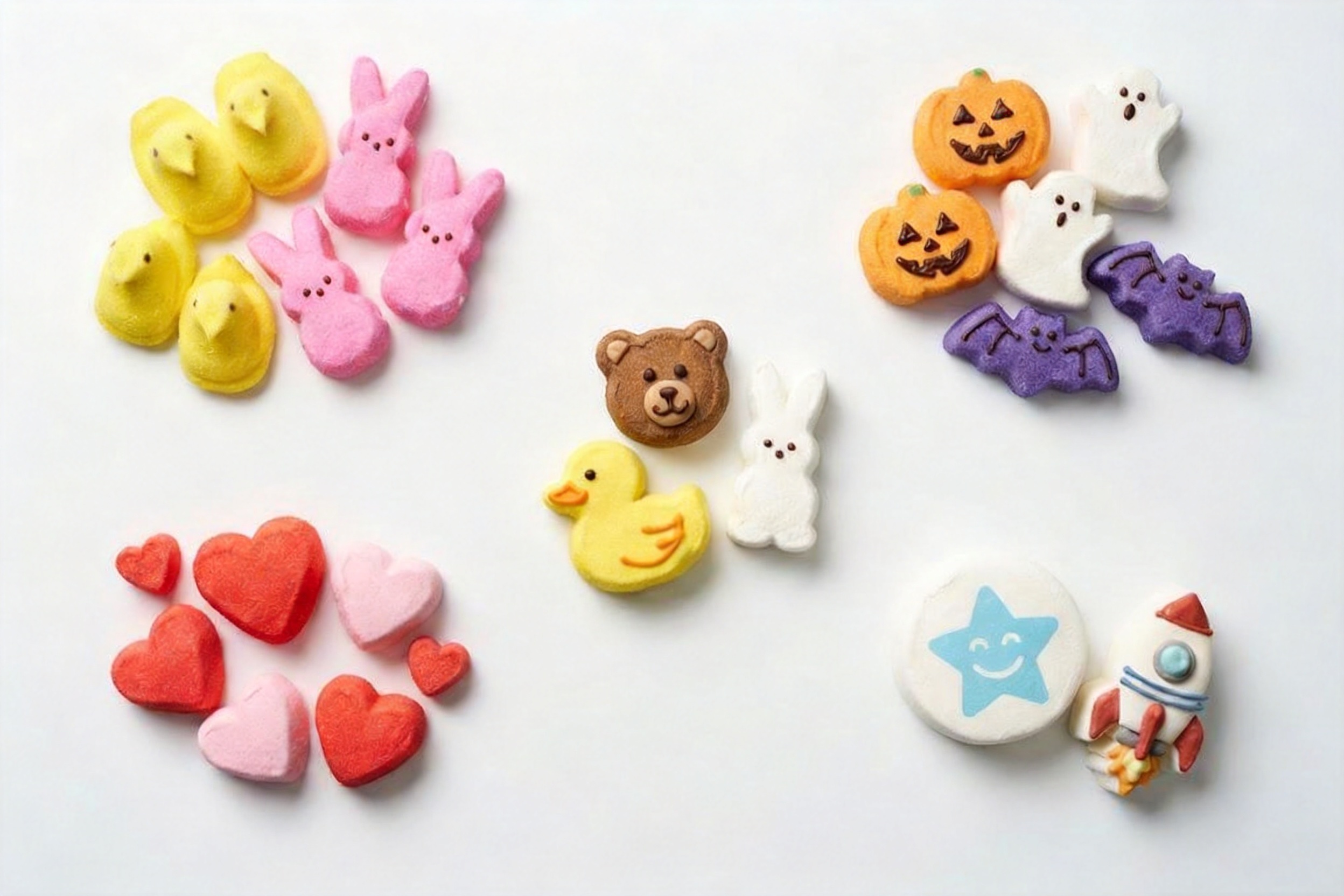
In my years of manufacturing shaped marshmallows and exporting to the US, I've shipped millions of pieces to American brands, retailers, and distributors. I have a unique perspective because I see the actual order data — what shapes clients reorder year after year, what new shapes they test, and which ones quietly disappear after a single run. The US market is different from Europe or Asia. Americans have specific preferences shaped by traditions like s'mores6, holiday candy aisles, and a massive Instagram-driven food culture7. Let me walk you through exactly what's selling, why, and what opportunities most overseas suppliers are missing.
Why Do Seasonal Shapes Still Dominate US Marshmallow Sales?
You might think seasonal shapes are too competitive — everyone sells pumpkins in October. But ignoring the seasonal calendar means missing the months when Americans spend the most on novelty candy8.
Seasonal shapes dominate because the US retail system is built around holiday merchandising9. Major retailers dedicate entire endcap displays to holiday candy for Halloween, Easter, Christmas, and Valentine's Day. Shaped marshmallows fit this system perfectly — they're visual, themed, and priced for impulse purchases10. The opportunity isn't in avoiding seasonal shapes — it's in offering better ones than the competition.
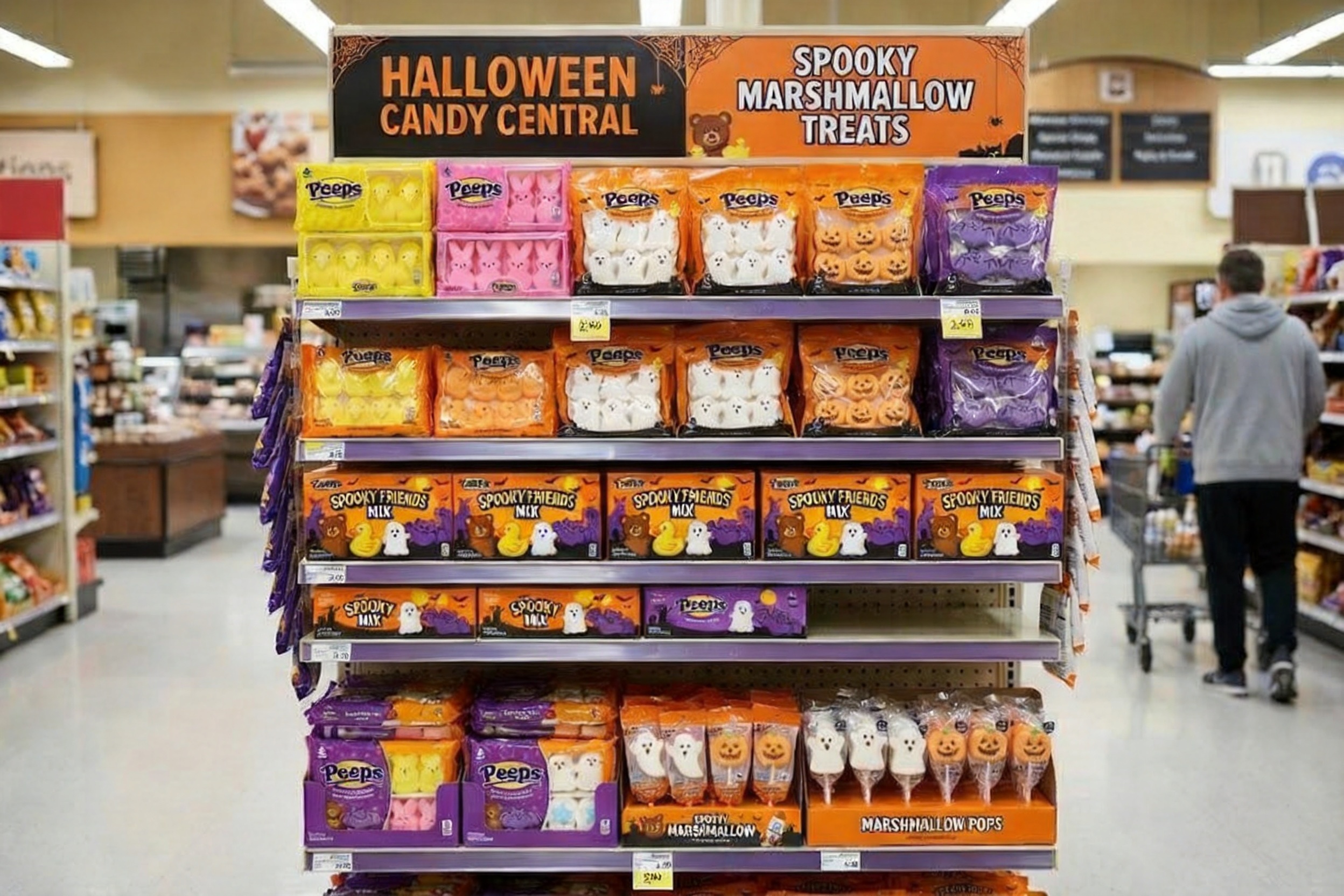
The numbers tell the story. When I look at our US order volumes, roughly 60% of all shaped marshmallow sales are tied to four seasonal windows. Halloween alone accounts for nearly 20% of our annual US shipments. And it's not just about the shapes — it's about timing. American retailers plan their seasonal candy programs 4-6 months in advance. The brands that secure prime shelf space11 are the ones that present their lineup in spring for Halloween, and in summer for Christmas. I had a client from Texas who started as a small online seller. In his first year, he offered only plain marshmallows. Sales were flat. In year two, he came to us and we created a Halloween pack — ghosts, pumpkins, bats, and skulls in a "Spooky Friends" bag. His October sales were 8x his normal monthly average. That single seasonal bet transformed his business. He now runs seasonal programs for all four major holidays and his revenue is up 300% from year one.
The US Seasonal Shape Calendar
| Season | Top Shapes | Peak Sales Month | US Cultural Driver |
|---|---|---|---|
| Easter | Chicks, bunnies, eggs, lambs | March - April | Easter baskets, spring gifting, Peeps tradition12 |
| Halloween | Pumpkins, ghosts, bats, skulls, black cats | October | Trick-or-treat, candy bowls, "spooky season" culture |
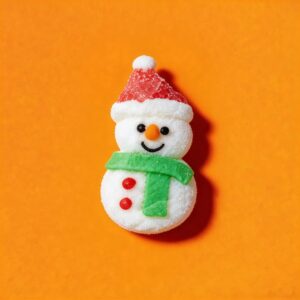
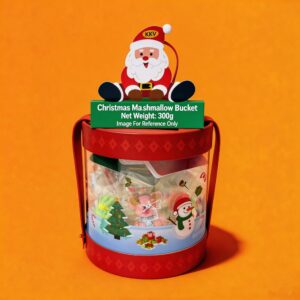
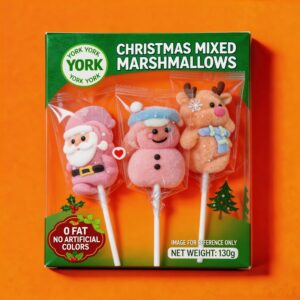
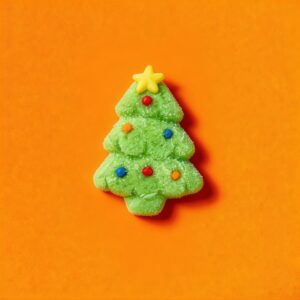
| Christmas | Snowmen, Christmas trees, reindeer, snowflakes | November - December | Hot cocoa culture, holiday baking, gift sets |
| Valentine's Day | Hearts, "XO" letters, lip shapes | February | School exchanges, romantic gifts, Galentine's Day |
Which Year-Round Shapes Sell Consistently Without Seasonal Peaks?
You don't want your entire business dependent on four holiday windows. You need shapes that sell every month to maintain cash flow13 and keep your production partner's line running.
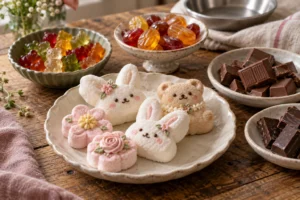
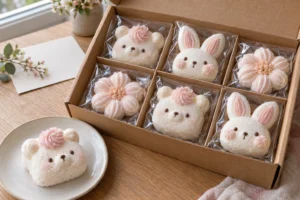
Three animal shapes — bears, ducks, and bunnies — are the undisputed year-round champions in the US market. They sell consistently for birthdays, baby showers14, lunchbox snacks, hot chocolate toppers15, and everyday candy jar refills. Stars and classic cylinders also maintain steady demand, especially for s'mores kits and baking applications.
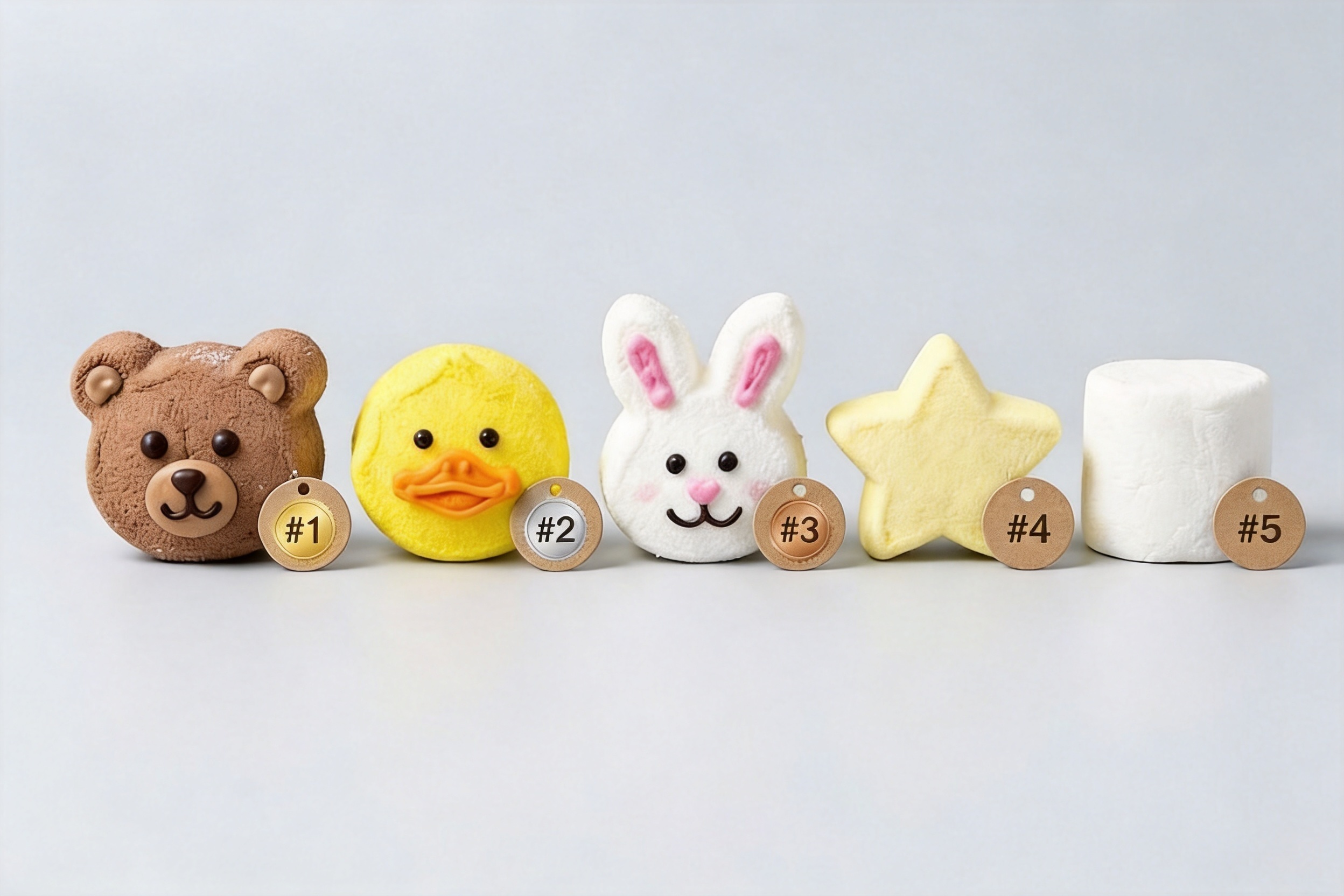
I track this carefully because it directly affects how I advise new clients entering the US market. The mistake I see most often is a brand launching with a shape that's "unique" but has no emotional hook — a generic swirl, an abstract blob, a random fruit shape. These might look different, but they don't sell because American consumers don't have an immediate reason to pick them up. A teddy bear16, on the other hand, triggers instant recognition. A parent sees it and thinks "my kid would love this." A gift buyer sees it and thinks "this is perfect for a baby shower." The emotional shortcut is the sale. One of my smartest clients — a private label17 brand selling through Amazon — started with just three shapes: a bear, a duck, and a bunny. No seasonal shapes at all. She focused entirely on year-round occasions: birthdays, baby gifts, lunchbox treats. Her repeat order rate is over 70%, which is extraordinary for candy. She told me the reason is simple: "Moms buy my bears in January for a birthday, then again in March for Easter baskets, then again in June for a baby shower. It's always the right occasion for a cute animal."
Year-Round Shape Performance
| Shape | Primary US Use Cases | Reorder Frequency | Emotional Trigger |
|---|---|---|---|
| Bear | Birthdays, baby showers, get-well gifts, everyday snacking | Very high — monthly reorders from top clients | Comfort, childhood, universal warmth |
| Duck | Baby showers, rubber duck themes, kids' lunchboxes | High — steady, especially for baby-related retail | Cheerful, gender-neutral, playful |
| Bunny | Easter, spring events, children's parties, year-round cute candy | High — peaks Easter but sells year-round | Playfulness, innocence, kid appeal |
| Star | Hot chocolate toppers, baking decorations, party sprinkles | Medium-high — versatile, theme-neutral | Celebration, achievement, universality |
| Classic Cylinder / Jumbo | S'mores6, campfire roasting, BBQ season | Medium — seasonal peak in summer, steady in winter for cocoa | Nostalgia, tradition, American outdoor culture |
What New Shape Trends Are Growing Fastest in the US?
The traditional shapes still sell, but the market is evolving. If you only offer what's been selling for the last decade, you'll miss the fastest-growing segments. What's next?
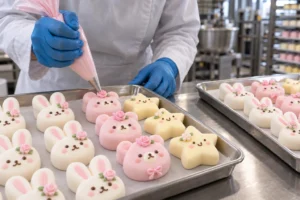
The three fastest-growing shape categories in the US are custom branded shapes18 (company logos and mascots for corporate events and promotional products), 3D character shapes19 designed specifically for social media shareability, and functional shapes20 designed to serve a purpose — like flat discs for s'mores that stack perfectly, or hollow spheres for hot cocoa bombs21.
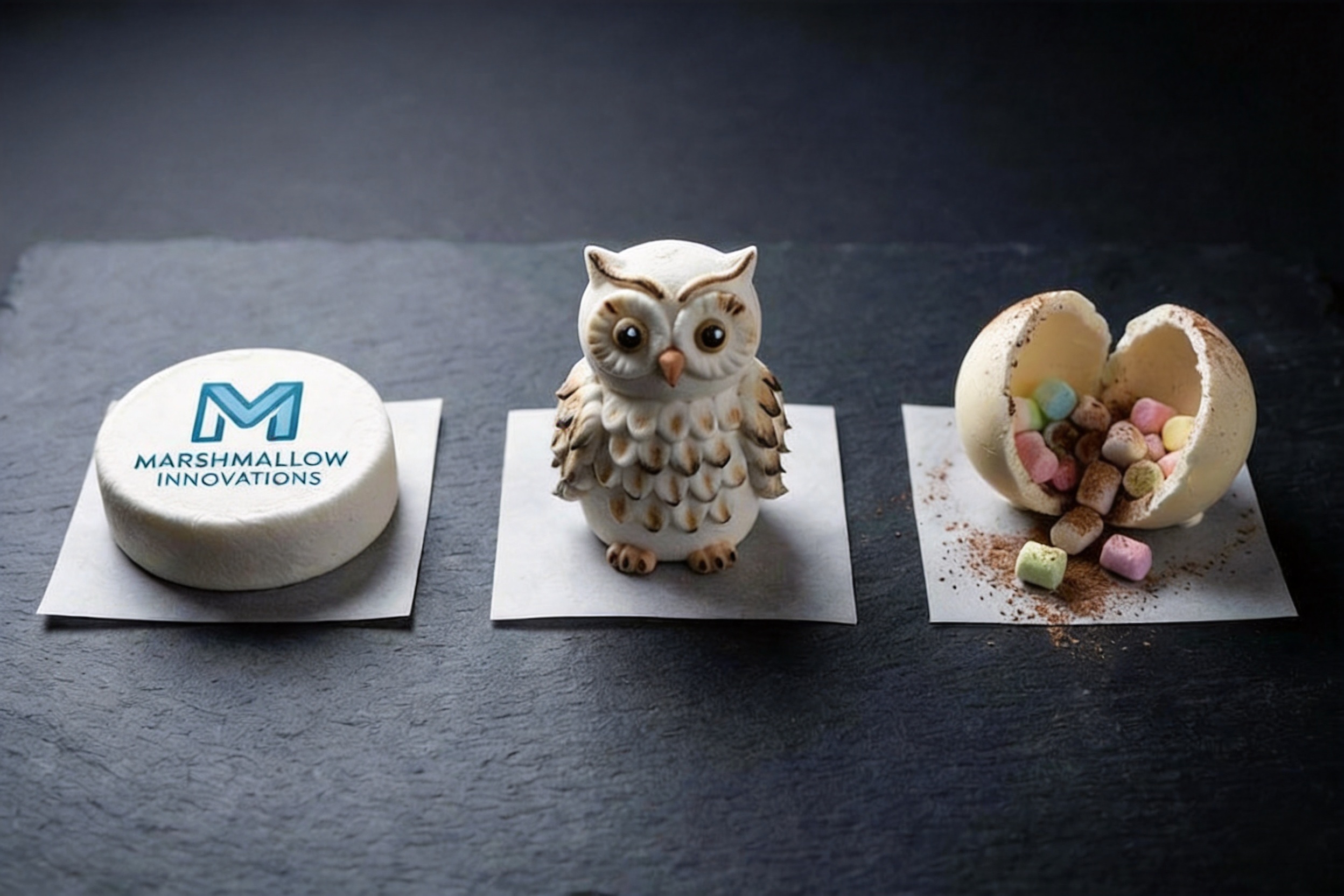
This is where the market gets really exciting. The traditional shapes will always be the foundation. But the growth is coming from innovation. A marketing agency in Los Angeles came to us needing 5,000 marshmallows shaped like their client's logo for a product launch event. Each marshmallow had the logo printed on one side in exact brand colors. The guests at the event photographed them, posted them on Instagram and TikTok22, and the brand got thousands of impressions from what was essentially a party snack. That's a completely different use case from traditional candy retail. On the functional side, the hot cocoa bomb23 trend has been massive. We developed a hollow marshmallow sphere that you drop into hot milk — it melts and releases cocoa powder and mini marshmallows inside. It's a performance, not just a drink. The "reveal" moment is tailor-made for social media content24, and our clients can't keep them in stock.
Emerging Shape Categories
| Trend | What It Is | Why It's Growing | Who's Buying |
|---|---|---|---|
| Custom Branded | Company logos, mascots, event-specific designs molded or printed on marshmallows | Experiential marketing is booming; edible branding is unique and shareable | Marketing agencies, corporate event planners, PR firms |
| 3D Characters | Detailed, sculptural marshmallows with piped faces and accessories | Social media demands photogenic, "Instagrammable" products | Gift brands, boutique candy stores, influencer collaboration brands |
| Functional Shapes | Shapes designed for a specific use — flat discs for s'mores, spheres for cocoa bombs | Consumers want products that "do" something, not just taste good | Hot cocoa kit companies, s'mores brands, DTC subscription boxes |
How Should You Build a US-Focused Shape Portfolio?
You have dozens of molds available, but you can't offer everything. You need a focused product line that covers the most demand with the least complexity. How do you decide?
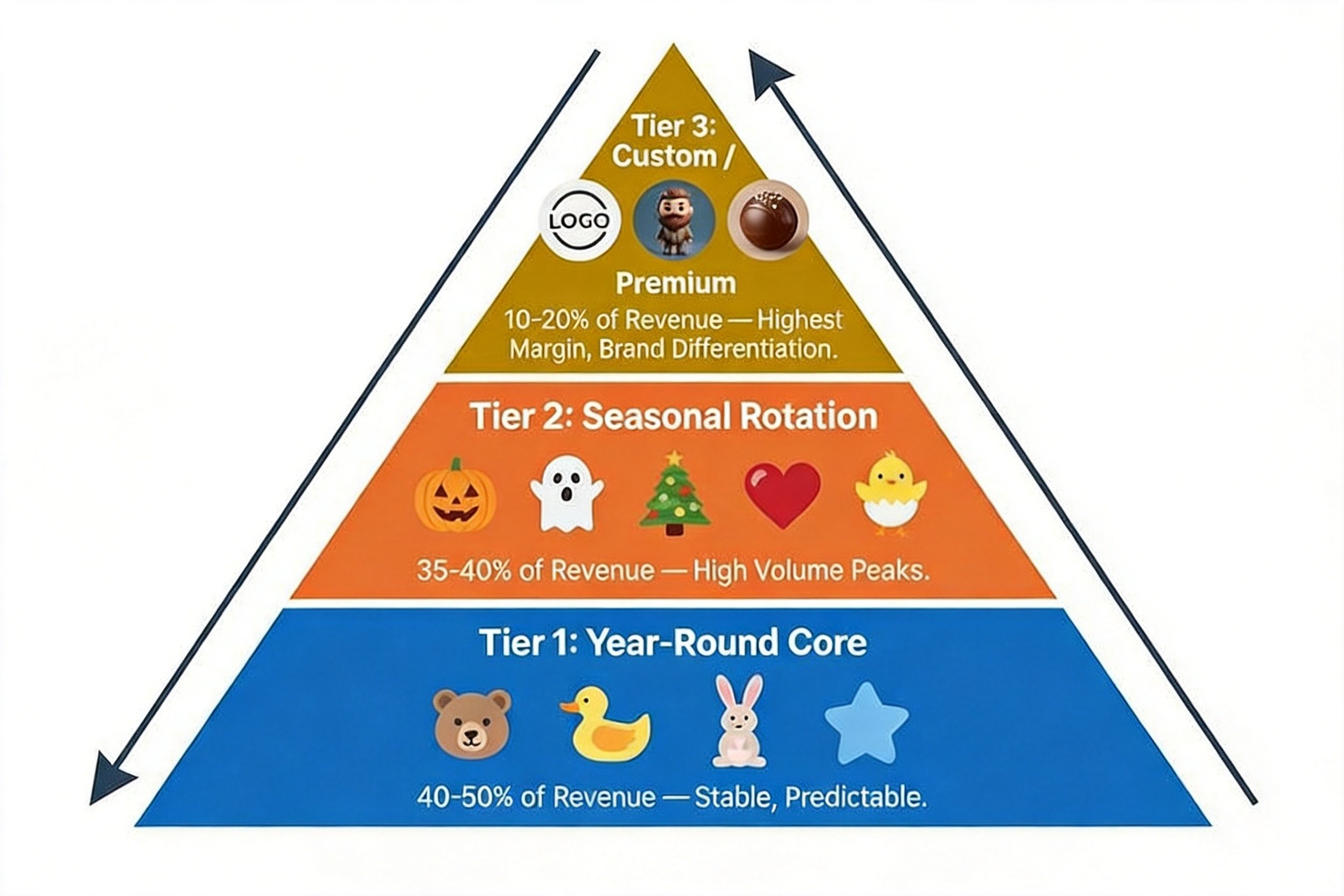
Build your US shape portfolio in three tiers: a year-round core of 3-4 animal shapes3 that sell every month, a seasonal rotation of 4-5 holiday shapes that you produce in planned production windows25, and a custom/premium tier for branded and innovative shapes that command higher margins. This tiered approach keeps your inventory manageable while covering 90% of US market demand.
I always advise new clients entering the US market to start small and focused. Don't try to launch with 20 shapes. Start with the shapes that have proven demand, build your distribution, and then expand. A Canadian brand came to us wanting to enter the US market. Their instinct was to create a massive catalog — 15 shapes, 8 flavors, 3 sizes. I talked them down to a lean launch: bears, ducks, and bunnies year-round, plus a Halloween pack and a Christmas pack. Five shapes total, two seasonal windows. They focused their marketing budget, built relationships with a few key Amazon26 and specialty retail accounts, and grew from there. Within two years, they were confident enough in their US demand data to add the Valentine's Day and Easter seasonal programs. By year three, they introduced their first custom branded shape for a corporate client. This staged approach meant every new shape they added was backed by real market data, not guesswork. Their waste was minimal and their growth was steady.
The Three-Tier Portfolio Model
| Tier | Shapes | Production | Revenue Role |
|---|---|---|---|
| Tier 1: Year-Round Core | Bears, ducks, bunnies, stars | Continuous production, consistent orders | Stable base — 40-50% of annual revenue, predictable cash flow |
| Tier 2: Seasonal Rotation | Pumpkins, ghosts (Halloween), trees, snowmen (Christmas), hearts (Valentine's), chicks, eggs (Easter) | Planned production windows, ordered 4-6 months ahead | Volume spikes — 35-40% of annual revenue, high margin during peak weeks |
| Tier 3: Custom / Premium | Branded logos, 3D characters, cocoa bomb spheres, collaboration shapes | Made-to-order, higher MOQ, longer lead time | Growth driver — 10-20% of revenue, highest margin, builds brand differentiation |
Conclusion
The US marshmallow market rewards brands that balance proven year-round sellers with strategic seasonal shapes and innovative custom designs — start focused, grow with data, and partner with a factory that can support all three tiers.
Explore the US confectionery industry landscape and market size data. ↩
Discover how seasonal candy momentum helps retailers drive year-round sales. ↩
Learn about custom shaped marshmallows and their unique production process. ↩
Discover how custom shapes and branding help candy products stand out in competitive retail. ↩
Understand how user-generated content builds brand loyalty and organic reach. ↩
Explore the history and cultural significance of s'mores in American food culture. ↩
Understand the Instagrammable effect and how visual products drive social media sharing. ↩
Browse wholesale party and novelty candy options to understand US market offerings. ↩
Explore creative candy display and merchandising ideas for retail settings. ↩
Learn about the psychology of impulse buying and how product placement drives checkout sales. ↩
Explore the retail bakery and candy market landscape in the United States. ↩
Learn about Peeps marshmallow chicks and their iconic role in American Easter culture. ↩
Understand cash flow fundamentals and why consistent product sales matter for business health. ↩
Discover party planning trends that drive demand for themed candy and treats. ↩
Discover strategies to leverage hot cocoa and marshmallows for consistent seasonal sales. ↩
Explore the cultural history of the teddy bear and its universal emotional appeal. ↩
Understand the private label business model and how it applies to US candy retail. ↩
Discover the importance of custom molding capabilities for unique branded product development. ↩
Watch the hand-piping process that brings detailed 3D marshmallow characters to life. ↩
Find creative marshmallow shape and flavor ideas for innovative product development. ↩
Explore hot chocolate topping trends and consumer preferences in the US market. ↩
Understand the power of visual marketing and how images drive brand promotion. ↩
Watch how hot cocoa bomb products create interactive, shareable moments. ↩
Understand the psychological factors that influence consumer purchasing behavior. ↩
Discover effective strategies for managing seasonal production demand in manufacturing. ↩
Learn how unboxing experience drives value perception in e-commerce and subscription businesses. ↩