Struggling to choose between OEM1 and ODM2 for your marshmallow brand? Making the wrong choice can lead to costly mistakes and a product that just doesn't connect with your customers.
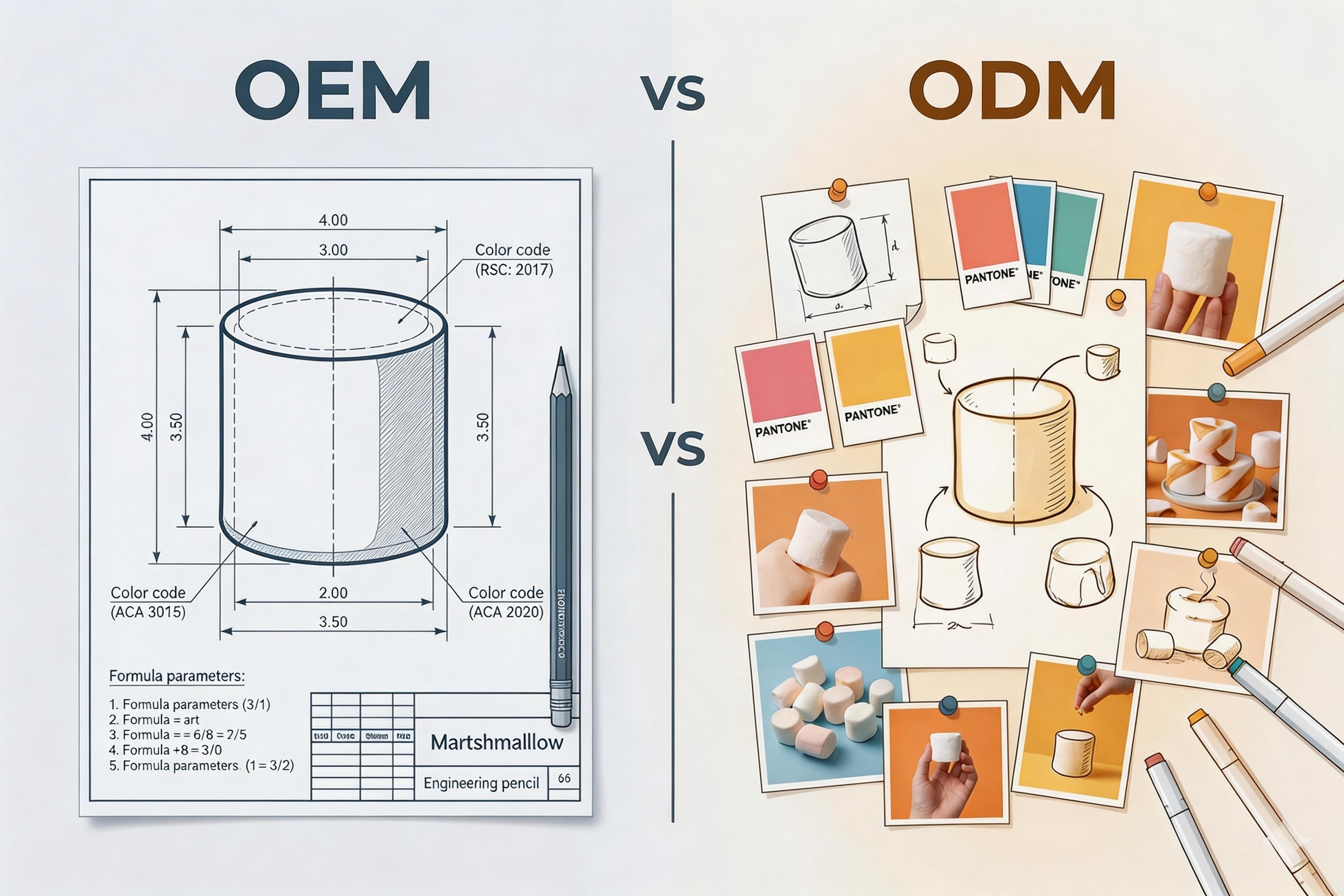
The best choice depends on your design resources and brand goals. OEM1 (Original Equipment Manufacturer) is for when you have a complete product design, and the factory just produces it. ODM2 (Original Design Manufacturer) is when the factory helps design the product with you, turning your idea into reality.
Those basic definitions are just the start. The line between these two models can be blurry, and the real difference for your business comes down to the capability of the factory you choose. Let's explore what these models truly mean for a candy brand like yours, so you can find a partner who will help you succeed in a competitive market.
What Really is Marshmallow OEM1, and Is It for You?
Do you already have a complete, detailed design for your marshmallow product? Finding a factory that can perfectly execute your vision without any changes is absolutely critical for your success.
OEM1 is ideal if you have an in-house R&D team3 and a finished "recipe." You provide the factory with all specifications—shape, size, color, flavor, and packaging. The factory’s only job is production, not design. This model works best for established brands with deep expertise.
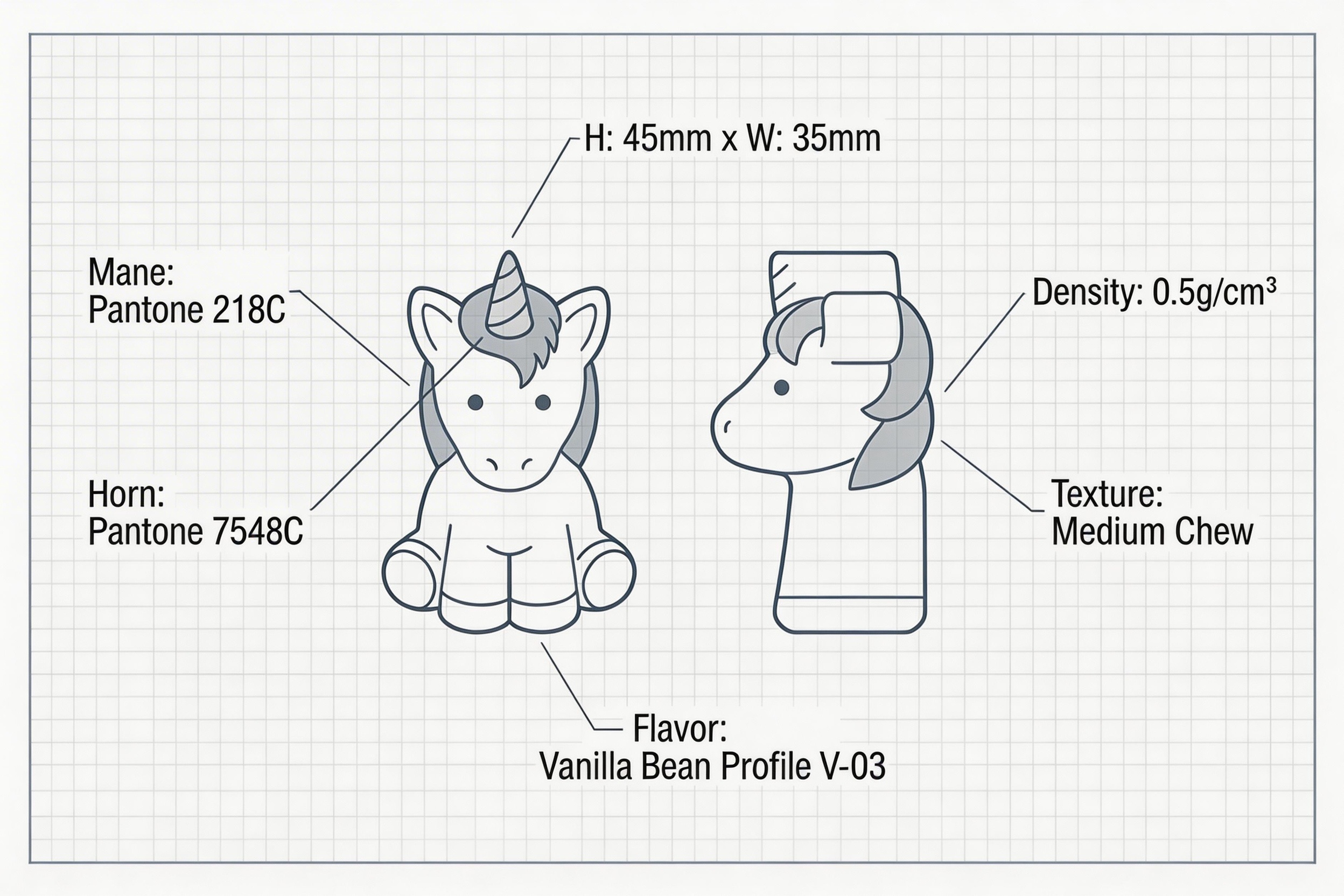
In an OEM1 partnership, you are the architect. You hand us the blueprint, and we build the house exactly as you designed it. I remember a client, a large confectionery brand from Germany, who came to us with a hyper-detailed spec sheet. They wanted to create a new line of unicorn-shaped marshmallows. They had everything figured out: the exact Pantone colors for the mane and horn, the specific vanilla flavor profile from a supplier they had already chosen, and even the target density and chewiness. Our role was simple: execute their plan perfectly. We configured our production line, sourced the exact ingredients they specified, and produced samples. After a few minor tweaks to our process to ensure total consistency, we were shipping containers of their product. This is the classic OEM1 model. It’s efficient and predictable, but it places all the design and development responsibility on your shoulders.
OEM1: A Quick Breakdown
| Pros | Cons |
|---|---|
| Complete control over your product and IP. | Requires significant upfront R&D investment. |
| Your unique formula remains confidential. | You carry all the risk if the design fails. |
| Predictable costs and production process4. | Less flexibility for on-the-fly improvements. |
Is ODM2 More Than Just Picking a Factory's Design?
Do you have a fantastic idea for a marshmallow but no technical recipe to make it? Turning a concept like "a spooky ghost for Halloween" into a sellable product is a huge leap.
A true ODM2 partner does more than let you pick from a catalog. They collaborate with you. You bring the market insight5 and brand vision, and they provide the technical expertise—formulation, mold creation, and compliance—to build a unique product6 you can call your own.
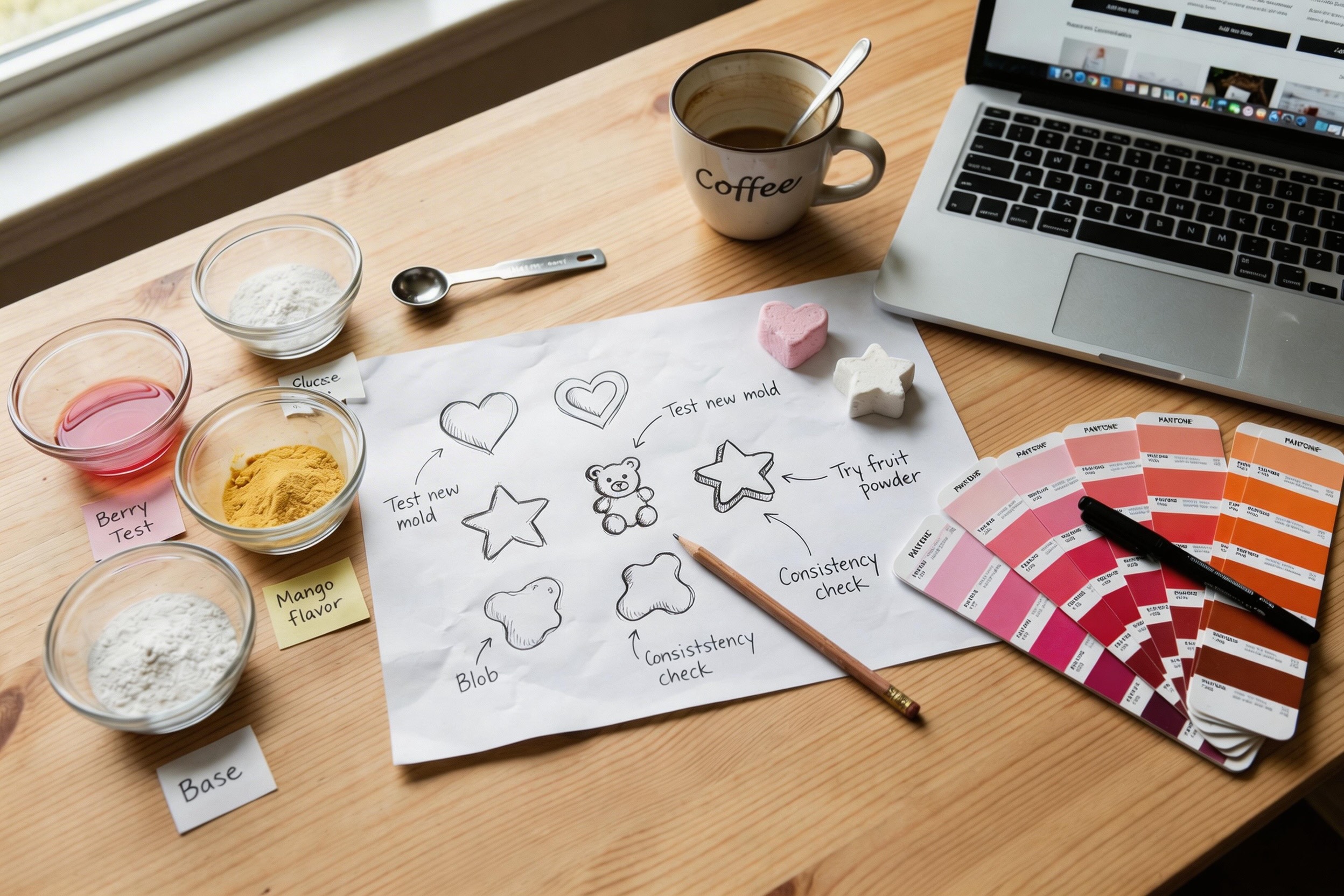
Many brand owners think ODM2 just means slapping their logo on a product from our existing catalog. While that is a basic form of private labeling, a true ODM2 partnership is so much more. It's a co-creation process. A small startup from the United States approached us with a simple idea: "We want a strawberry-filled marshmallow for our hot chocolate kits." They knew their audience and the flavor profile they wanted, but that's all they had. This is where our ODM2 process truly shines. We didn't just hand them a standard strawberry marshmallow. We worked together.
1. Concept to Feasibility
Our R&D team3 developed three different strawberry filling options: a liquid jam, a jelly center, and a flavored solid core. We talked through the pros and cons of each, especially how they would perform when melting in hot chocolate.
2. Formulation & Flavor Development
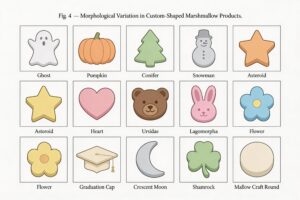
We moved on to the shape. To match their brand's cozy, gift-giving theme, we developed custom heart-shaped molds for them. This transformed a generic idea into a signature product.
3. Compliance & Packaging
Finally, we advised them on packaging materials7 that would meet FDA regulations for the US market and keep the product fresh. They brought the market knowledge; we brought the manufacturing and design expertise. Together, we turned a vague idea into a shelf-ready item that was completely unique to them.
How Do You Choose the Right Partner, Beyond the OEM1/ODM2 Label?
Are you worried about picking a factory that looks good on paper but can't deliver? The wrong choice can mean wasted time, lost money, and a product that fails to meet important market standards.
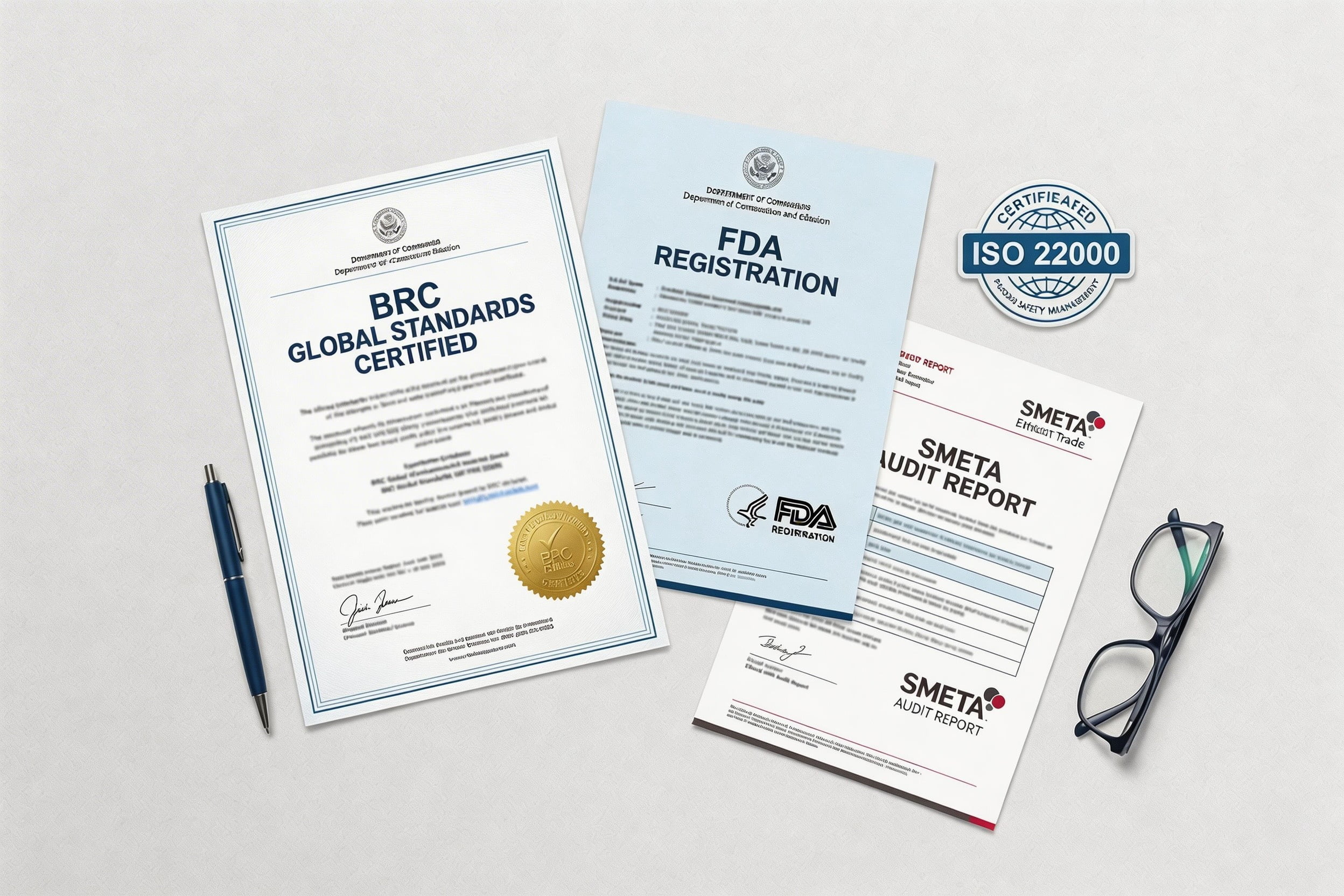
The best partner is one who can guide you through the entire journey. Look at their mold library and custom mold capabilities, their R&D strength in flavors and colors, their knowledge of your target market's regulations (like BRC, FDA), and their ability to scale with you.
So, the real question isn't "OEM1 or ODM2?". It's "Can this factory get my product from my brain to my customer's hands?". As a factory owner, I've seen too many brands struggle because they focused only on the price per unit. The real value is in the partnership and the factory's ability to handle the whole journey. When you evaluate a potential manufacturer, look for these key capabilities:
Key Factory Capabilities
| Feature | Why It Matters |
|---|---|
| Shape & Mold Expertise | A large mold library saves you time and money. The ability to create new custom molds8 means you can create a truly unique product6, like your brand's logo. |
| R&D and Customization | Your partner should be able to create custom flavors and match specific Pantone colors. This is crucial for building a distinct brand identity9. |
| Compliance & Certifications | This is non-negotiable. A factory with BRC (for Europe), FDA (for the US), and SMETA certifications10 proves they meet global standards for safety and ethics. |
| Scalability & Support | Can they produce small test batches for you? More importantly, can they scale up to full container loads when your product takes off? A good partner grows with you. |
Choosing a factory with these proven capabilities is how you turn a simple manufacturing relationship into a powerful partnership that builds your brand for the long term.
Conclusion
Choosing between OEM1 and ODM2 is less important than finding a partner. Find a factory that can guide your marshmallow idea from a simple concept to a successful, compliant, and shelf-ready product.
Understanding OEM can help you decide if it's the right choice for your marshmallow brand. ↩
Exploring ODM can reveal how it might better suit your creative marshmallow ideas. ↩
Discover how an R&D team can enhance your marshmallow product's success. ↩
Understanding the production process can help you streamline your marshmallow manufacturing. ↩
Market insight is key to creating products that resonate with customers; learn more. ↩
Creating a unique product is key to standing out; explore innovative approaches. ↩
Choosing the right packaging is vital for product freshness and appeal; explore options. ↩
Custom molds can elevate your marshmallow product; find out how they work. ↩
A strong brand identity can set your marshmallow apart; discover effective strategies. ↩
Certifications ensure quality and safety; learn which ones are essential for your brand. ↩