Struggling with slow responses from your supplier1? Worried that a small quality issue2 could derail your launch? You need a partner who solves problems, not just forwards emails.
The key difference isn't price. A factory offers direct access to R&D3 and production for fast problem-solving and custom development4. A trading company acts as a middleman, which is fine for standard items but can cause major delays and limitations when building a unique brand5.

Many brand owners believe the choice between a factory and a trading company is all about cost. I get it. The common thinking is "factory equals cheap, trader equals expensive." But after years of manufacturing shaped marshmallows, I’ve learned the real deciding factor is something else entirely. It's about who takes responsibility when things go wrong. Let’s break down what truly matters when your brand is on the line.
When Quality Issues Happen, Who Really Has Your Back?
Your shipment arrived, but the marshmallows are misshapen. You need answers now. But your supplier contact is just passing messages. This delay is costing you sales and hurting your brand's reputation.
When you work directly with a factory, your feedback goes straight to the production and quality control teams6. We can analyze the issue, adjust machinery, or tweak formulas immediately. A trading company can only forward your complaint, creating a slow, frustrating communication chain with no direct accountability.
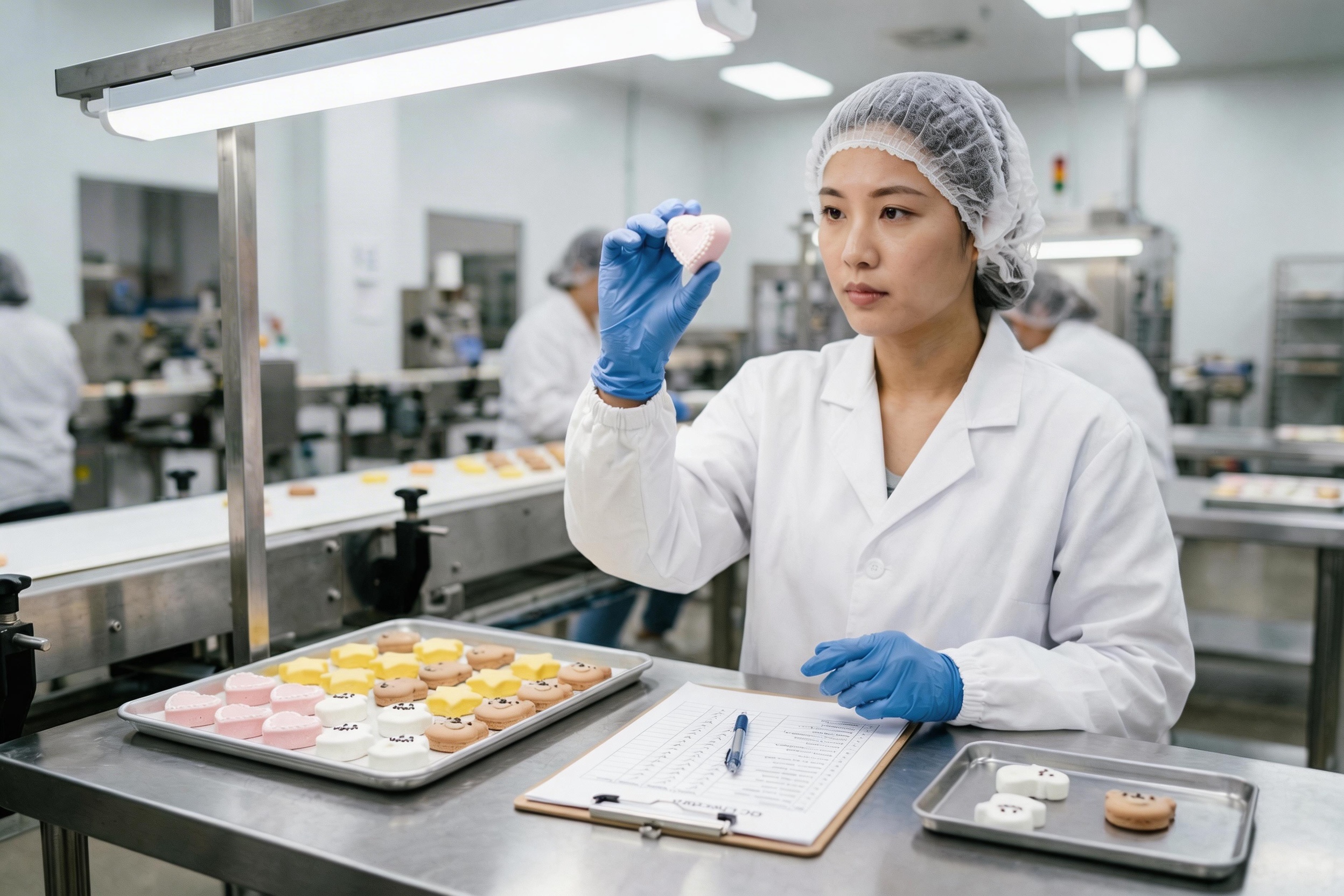
This isn't just a theory. I remember a client who came to us after a terrible experience. They had ordered Halloween-themed marshmallows through a trading company. The product arrived sticky and clumped together because of a packaging seal failure7. They told their trader contact, who then emailed the factory, who then asked for photos, which the trader forwarded back to my client. The entire process of just confirming the problem took over a week. By the time the factory admitted fault, it was too late to produce and ship a new batch for the holiday season. My client lost an entire season of sales.
When you partner directly with a factory like ours, the process is completely different. Your feedback is a direct line to our engineers. If a seal is failing, our packaging technician is on it the same day. If the taste is slightly off, our food scientist is adjusting the recipe that afternoon. There is no middleman to slow things down.
Here’s a simple comparison of the communication flow:
| Step | Working Directly with a Factory | Working Through a Trading Company |
|---|---|---|
| 1. Report Issue | You speak to your factory account manager. | You email your trader contact. |
| 2. Action Taken | Manager walks over to the QC/R&D team. | Trader forwards your email to the factory. |
| 3. Investigation | Our team investigates the production batch records. | The factory replies to the trader with questions. |
| 4. Solution | We give you a technical explanation and a solution. | The trader relays the factory's message to you. |
| Typical Timeline | 1-2 Days | 1-2 Weeks |
The difference is clear. One path leads to a quick solution. The other leads to a long chain of emails while your business waits.
Can Your Supplier Create Something New, or Just Sell What's on the Shelf?
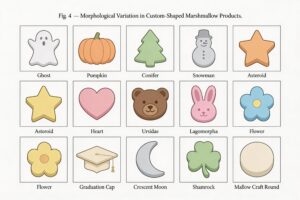
You have a brilliant idea for a unique marshmallow shape for your brand. But your supplier says it's not in their catalog. Is your creative vision stuck because your partner lacks the capability to innovate?
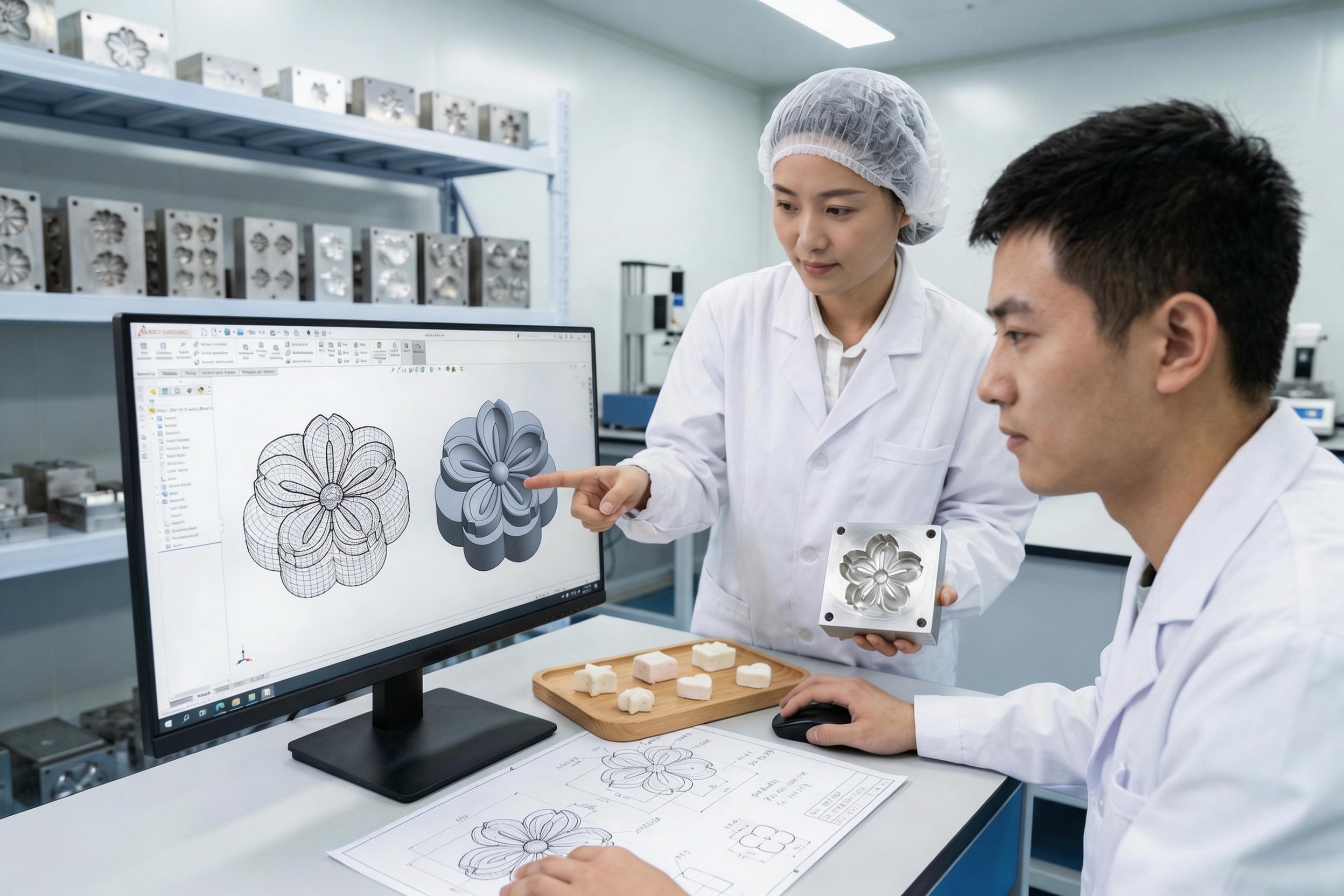
A trading company sells from a pre-existing catalog of products from various factories. They can't create new molds or develop unique flavors. A dedicated factory, like ours, has an in-house R&D team and tooling capabilities to bring your unique product ideas to life from scratch.
Trading companies are essentially resellers. They are great if you want to buy a standard heart-shaped marshmallow or a simple twist. They have a catalog, and you can pick item A, B, or C. But what happens when you want to create item D? They can't help you. They don't have engineers, food scientists, or a machine shop to create new molds. Their business is based on selling what already exists.
We, on the other hand, are creators. Our business is built on turning your ideas into a real product. When a client comes to us with a new concept, like a marshmallow shaped like their company logo, our whole team gets involved. Our process is designed for customization. We start with a consultation to understand the design, the target flavor profile, and the specific colors you need. Our engineers then create a 3D digital model of the mold for your approval. Once you sign off, we machine the physical mold right here in our facility. Then, our R&D team runs test batches, adjusting the formula to make sure the unique shape holds its integrity and has the perfect texture. You get physical samples to approve before we even think about mass production. This is a collaborative process8 that a trading company simply cannot offer. They sell options; we provide solutions.
Are You Buying a Product or Building a Partnership?
Choosing a supplier can feel purely transactional. You send a purchase order, they send a product. But what if you need more? What if you need a partner who understands your brand's long-term goals and regulatory needs9?
A trading company's job is to make a sale. They are information and logistics brokers. A manufacturing partner's success is tied directly to your product's success. We invest in the relationship, offering technical support10, compliance expertise, and co-creation to help your brand grow.
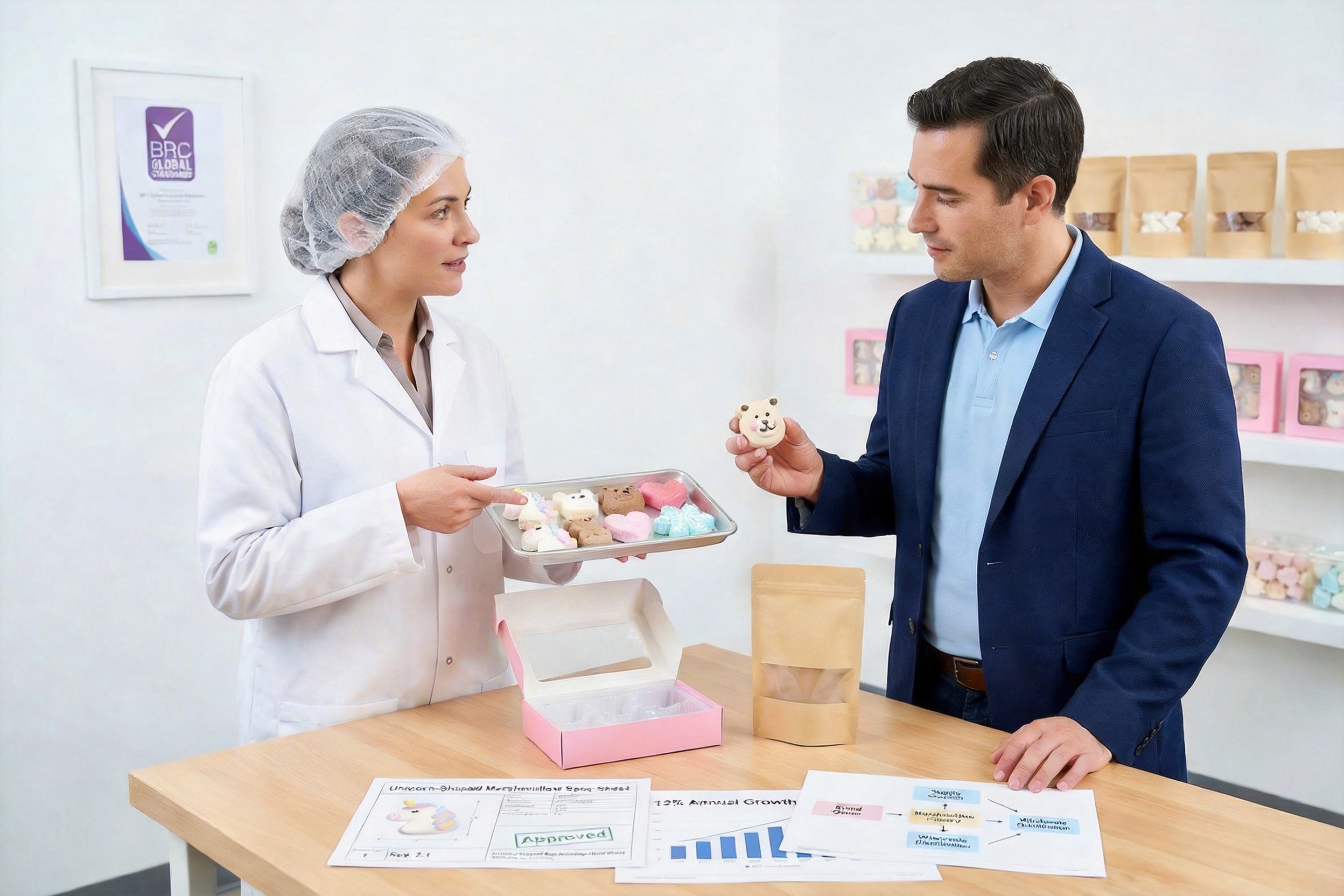
When you build a brand, your supply chain11 is your foundation. You need it to be solid. A factory partner offers a level of transparency and support that a trading company can't match. For example, we hold multiple international certifications12 like BRC, FDA registration, and SMETA. We don't just have these certificates on a wall; we live by these standards every day. We understand the complex compliance requirements for importing into Europe and the United States. We can provide the documentation and assurance you need to get your product on retail shelves. A trading company might not have this deep, specialized knowledge, as they work with many different product categories and factories.
Furthermore, a factory partnership is built for growth. We can support you from a small trial run to full container loads. As your brand scales, we scale with you. A trader is limited by the willingness and capacity of their network of factories, which can change without notice. With us, you have a direct, stable, and transparent relationship. You know exactly where your product is made, who is making it, and that it's being done to the highest standards. This isn't just a transaction; it's a partnership designed to help your brand succeed13 in the long run.
Conclusion
The choice isn't about price. It's about control, creativity, and partnership. For a strong brand, you need a factory that builds with you, not just sells a product to you.
Understanding supplier response times can help you choose better partners and improve your supply chain. ↩
Learn effective strategies for addressing quality issues to protect your brand's reputation. ↩
Discover how direct access to R&D can enhance product development and innovation. ↩
Understand the process of custom product development and its importance for brand differentiation. ↩
Gain insights on creating a unique brand that stands out in a crowded marketplace. ↩
Find out how effective quality control can prevent issues and improve product quality. ↩
Learn about common causes of packaging failures and how to ensure product integrity. ↩
Explore the benefits of collaboration in product development for better outcomes. ↩
Stay informed about regulatory requirements to ensure compliance and market readiness. ↩
Understand how technical support can enhance your manufacturing experience and product quality. ↩
Discover strategies to streamline your supply chain and improve operational efficiency. ↩
Learn about essential certifications that can enhance your brand's credibility. ↩
Explore the elements of a successful partnership that can drive your brand's growth. ↩