Your custom marshmallows1 look amazing. But what if they arrive crushed and stale? Bad packaging can ruin your launch and your brand's reputation.
The secret is to treat packaging as the first step, not the last. Integrate packaging design2 with product development3 from day one to protect your marshmallows' shape, texture, and freshness, ensuring they look perfect from our factory to the customer's hands.
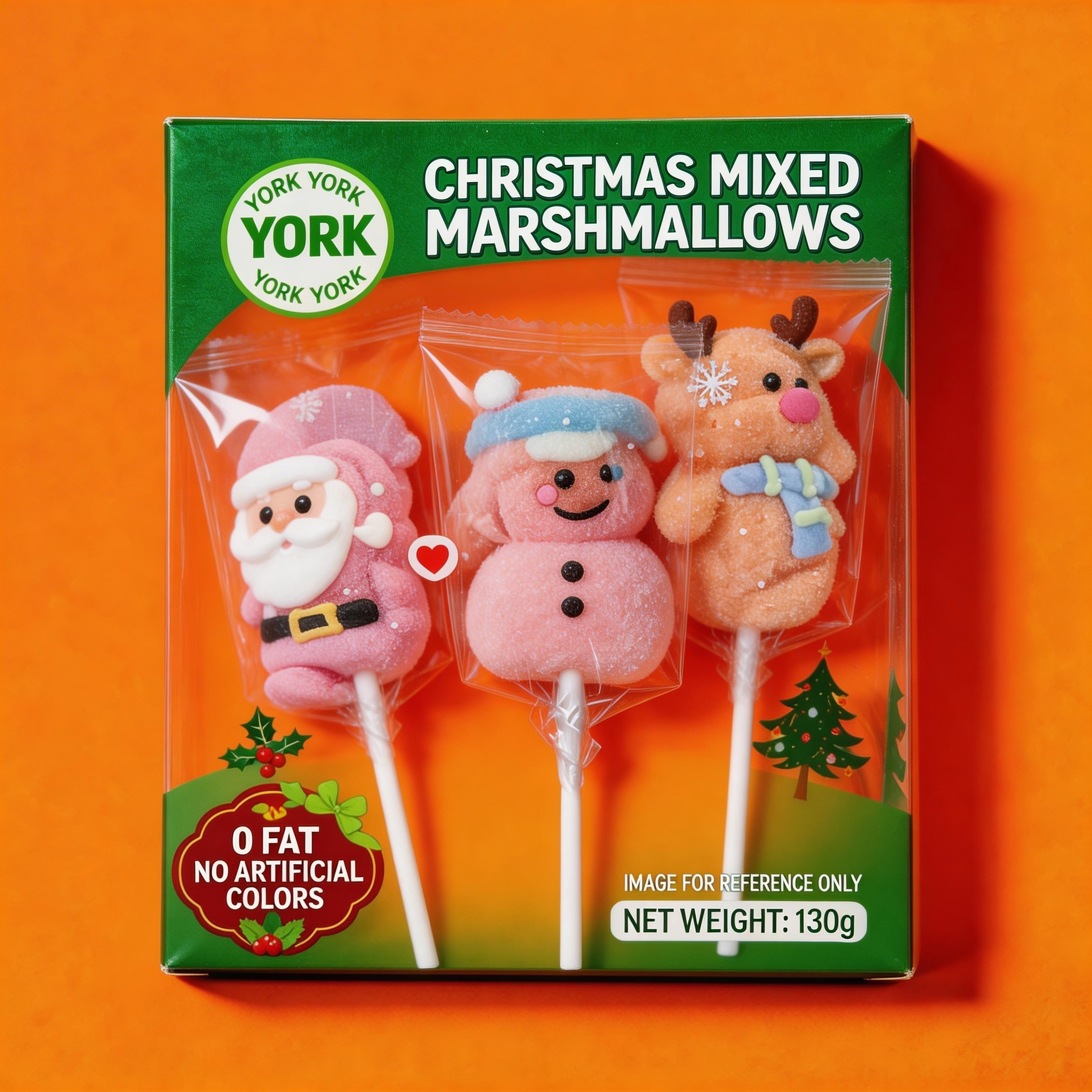
I've seen it happen too many times. A brand comes to us with a brilliant marshmallow idea, but they've already locked in a packaging design2 that just won't work. It's a costly and frustrating mistake that is easy to avoid. Let's break down why thinking about the box before the marshmallow is the real key to success.
Why should you design the package before the marshmallow?
You've designed a beautiful, intricate marshmallow shape. But what happens when it's shipped across the country? The wrong package means it arrives as a blob.
Marshmallows are delicate. They are sensitive to moisture, temperature, and pressure. The packaging's structure directly determines the feasibility of your product's shape and recipe. A protective package allows for more creative designs, while a simple bag might limit you.
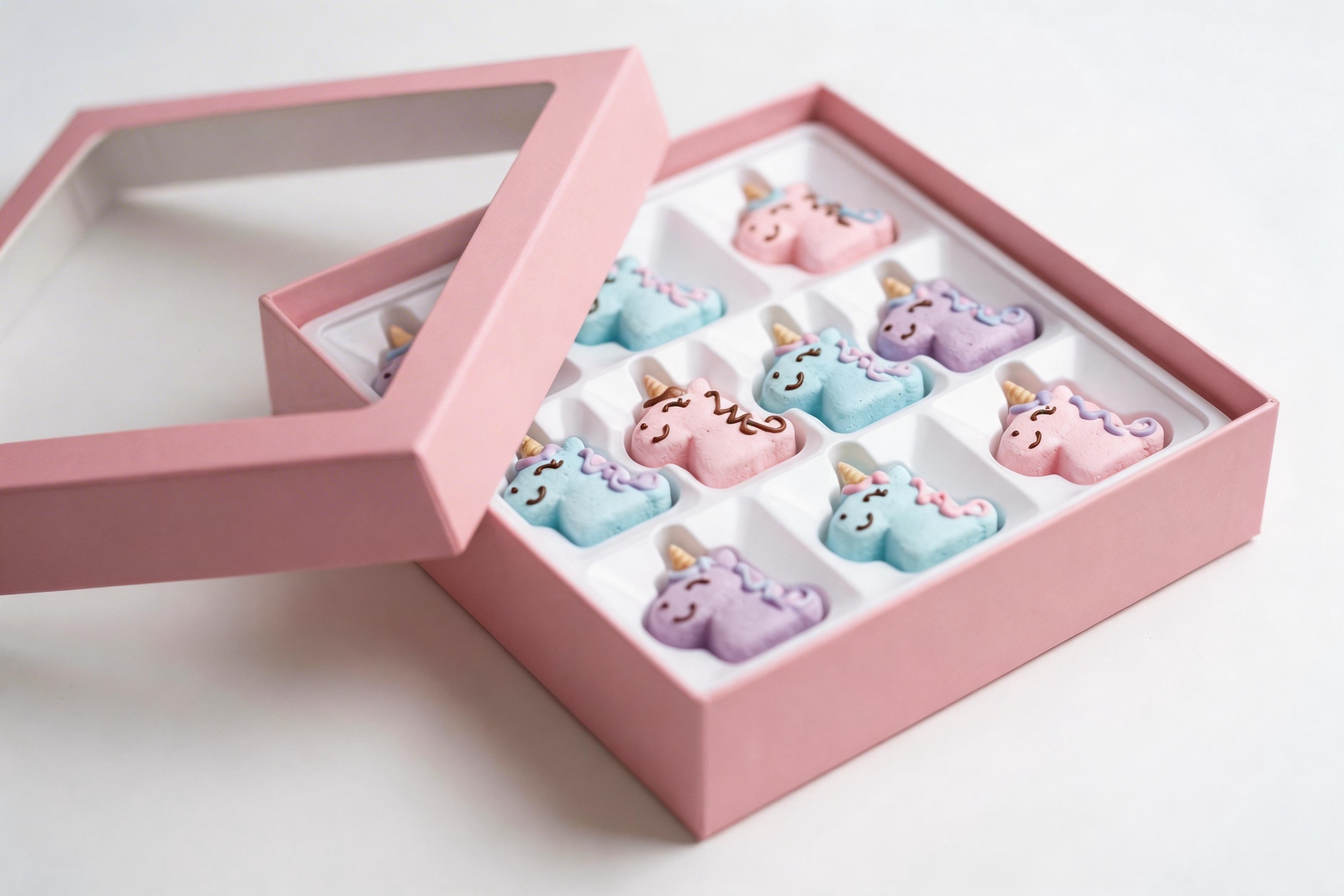
I remember a client who wanted to create delicate, 3D unicorn marshmallows. They were beautiful. But they had already sourced cheap poly bags for packaging. During the first shipping test, the unicorns' horns broke off, and their bodies were squished together. The product was a failure before it even launched. This is a classic example. The physical properties of a marshmallow dictate its packaging needs. You have to consider these three things.
Moisture
Marshmallows are hygroscopic, meaning they absorb moisture from the air. The packaging material needs a good moisture barrier4 to prevent them from becoming sticky or hard. This is non-negotiable for shelf life5.
Pressure
They are soft and airy. Any weight or pressure during shipping will compress and deform them. The packaging structure must provide a rigid or semi-rigid shell for protection. Your design has to survive being at the bottom of a shipping case.
Shape Integrity
For custom shapes, this is everything. The packaging must have cavities or supports that hold each marshmallow in place. This prevents them from rubbing against each other and losing their fine details. Thinking about this first saves you from redesigns and heartbreak later.
What happens when your product and packaging factories don't talk?
You're managing two different suppliers for one product. One for the marshmallows, another for the boxes. This communication gap can create a costly chain of errors.
When product and packaging suppliers6 are separate, critical information gets lost. The packaging factory doesn't understand the marshmallow's fragility. The marshmallow factory doesn't know the final package's dimensions. This leads to endless revisions, delays, and a product that fails on the shelf.
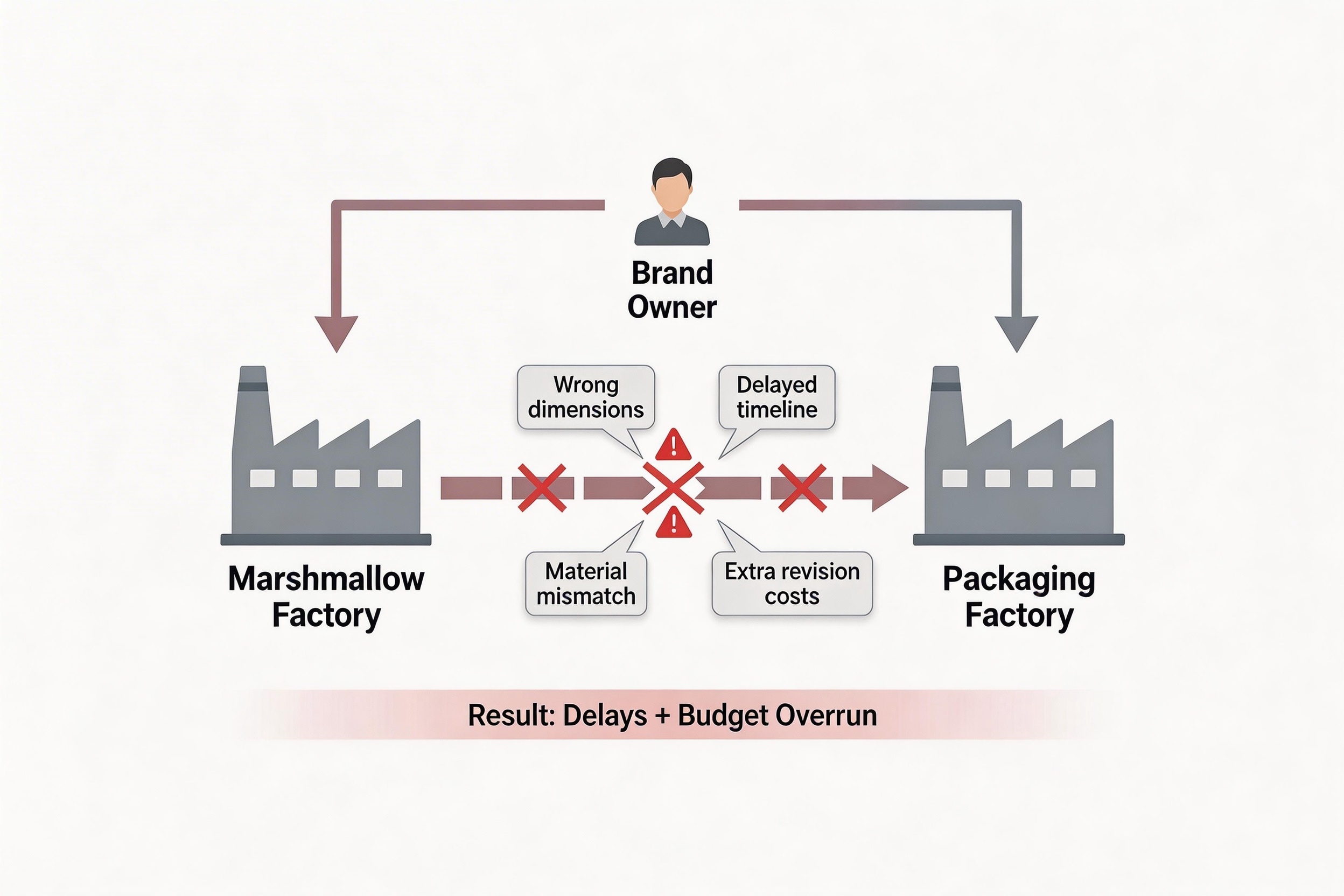
It’s a common scenario that we see all the time. A brand works with us to perfect a custom marshmallow. At the same time, they hire a separate packaging company. The packaging company creates a beautiful box, but the inner tray dimensions are off by a few millimeters. Now, the marshmallows either rattle around and break or are too tight and get squashed. Or, maybe the material they chose isn't food-safe for direct contact with the product. We then have to send samples back and forth. The packaging company has to adjust its tooling, and the project timeline gets pushed back by weeks, sometimes months. This isn't just a delay; it's a direct hit to your budget. Every revision costs money. Every delayed week is a week you're not selling. It’s a frustrating cycle of "we thought you knew" that can be avoided entirely.
How does an integrated factory7 simplify your packaging journey?
Juggling multiple vendors is a headache. What if one partner could handle everything from the marshmallow recipe to the final sealed package, perfectly synchronized?
An integrated factory7 brings product developers and packaging engineers together from the very first meeting. This unified approach ensures that every decision, from the marshmallow's shape to the box's material, is made collaboratively. It's the fastest path from concept to a shelf-ready product.

When you start a project with us, our packaging engineer is in the room from day one. You describe your dream product, and we immediately start discussing how to protect it. Our teams work in parallel. While the food scientists develop the recipe and shape, the packaging engineers design a structure to match. They consider your target market's shelf display customs, the rigors of international shipping, and all regulatory requirements. This synergy prevents problems before they happen. It’s a much smoother and faster process.
Here's a simple breakdown of the difference:
| Process Step | Separate Suppliers | Integrated Factory |
|---|---|---|
| Concept | Product idea first, packaging later. | Product & packaging discussed together. |
| Design | Two separate design cycles. | One cohesive design cycle. |
| Sampling | Mismatched samples, multiple revisions. | Product fits package on the first try. |
| Problem Solving | Blame game between suppliers. | One team finds one solution. |
| Time to Market | Long, with frequent delays. | Short, efficient, and predictable. |
What are the most critical elements of marshmallow packaging?
Your packaging needs to do more than just look pretty. It's a silent salesperson and a bodyguard for your delicate product. Are you covering all the bases?
Focus on three key areas: material, structure, and visual design8. The material must provide a barrier against moisture and air. The structure must prevent crushing. The visual design8 must grab attention and communicate your brand's value on a crowded shelf.
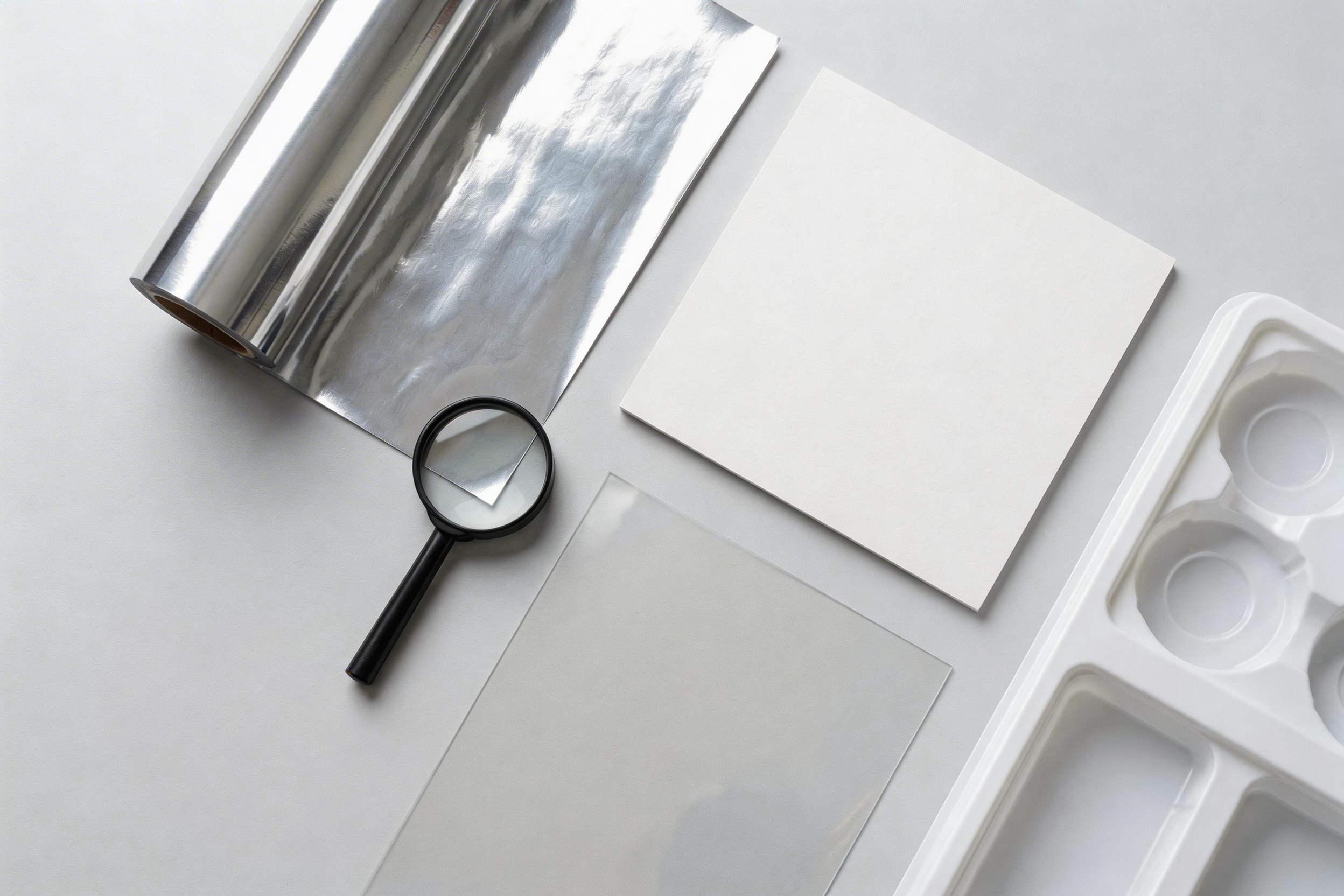
Let's get specific. When we design packaging, we break it down into these core components. It's a system where every part has to work together.
Material Selection
This is your first line of defense. We often use multi-layer films for bags to provide excellent moisture and oxygen barriers. For boxes, we use sturdy, food-grade paperboard. The choice depends on your desired shelf life5 and budget. A clear window might use PET or PLA, which is great for visibility but must be integrated properly into the overall design to maintain a good seal.
Structural Design
This is about physical protection. For complex 3D shapes, we recommend thermoformed plastic trays, like those in a box of chocolates. These trays hold each piece securely. For simpler shapes, a gusseted bag inside a rigid box can work well. We design to survive the "crush test"—what happens when a case is dropped or stacked at the bottom of a pallet during shipping.
Visual & Functional Design
This is where your brand comes to life. But it's also functional. Does it stack well on a retail shelf? Is it easy for a customer to open? Does the artwork align with the window, showing off the product inside? These small details make a huge difference in the final customer experience9.
How do shipping and regulations shape your packaging choices?
Your package is approved and looks great. But will it be rejected by customs or melt in a shipping container? Logistics and regulations are non-negotiable hurdles.
Every country has its own rules. Your packaging must meet food safety standards like FDA in the US and BRC in Europe. It also needs to withstand the journey, from temperature fluctuations in a container to the handling practices of different couriers.
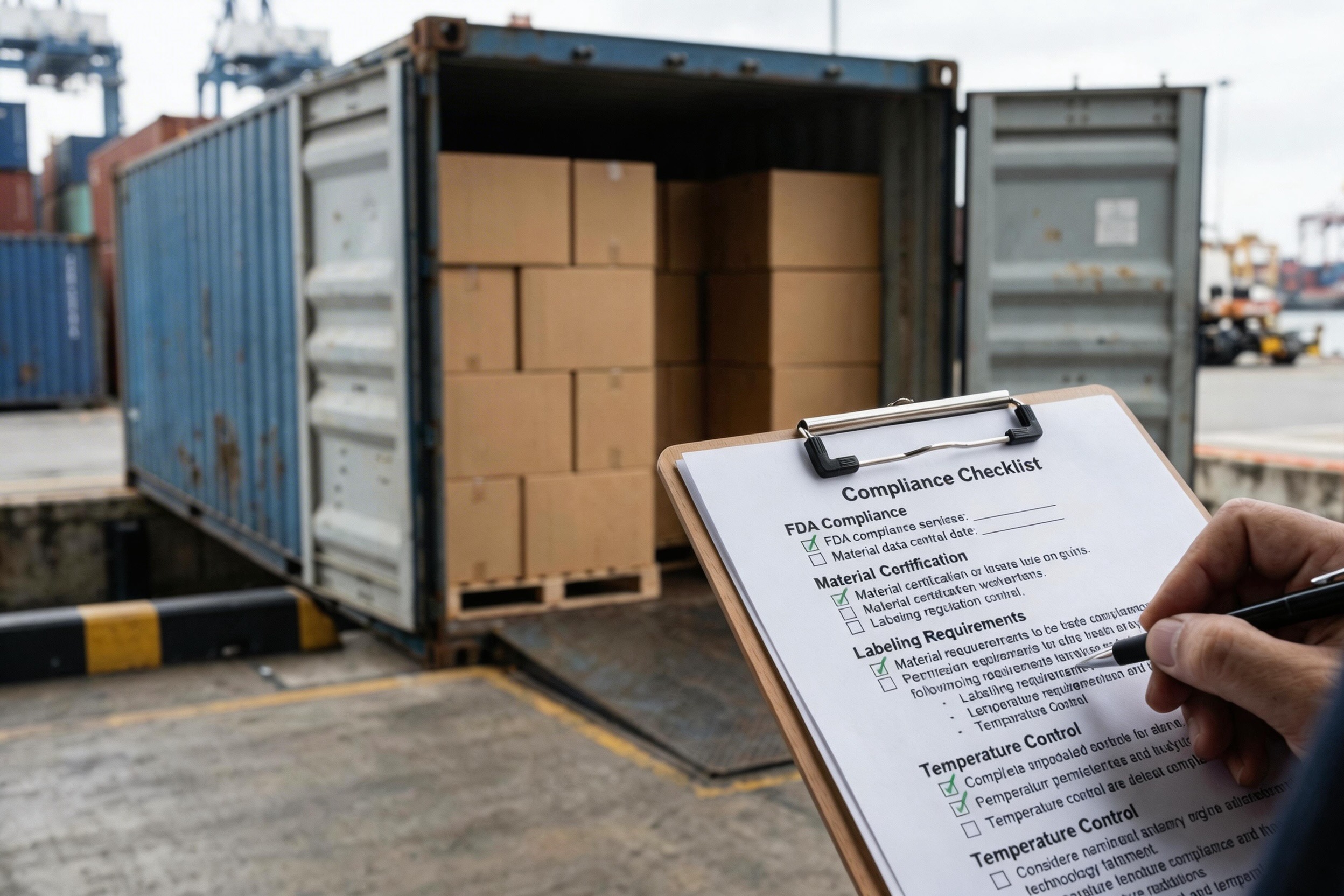
This is the part many brands overlook, and it can be a disaster. As an exporter to the US and Europe, this is our expertise and a core part of our process.
Regulatory Compliance
We ensure all materials touching the marshmallows are food-grade and certified. For the US market, this means FDA compliance. For Europe, the standards are different. We handle the labeling requirements too. Ingredient lists, nutritional facts, and allergen warnings must be accurate and formatted correctly for the target country. Getting this wrong can mean having your entire shipment seized at the border, which is a total loss.
Logistical Challenges
A container ship crossing the ocean can experience extreme temperature and humidity changes. We design packaging to account for this, often including food-safe desiccants or using materials with high barrier properties. We also think about palletization10. How many units fit in a case? How many cases fit on a pallet? Efficient packaging design2 saves you a significant amount on shipping costs. We simulate these conditions to ensure your product arrives looking just as good as it did when it left our factory.
Conclusion
In short, great marshmallow packaging starts with a simple shift: design the package first. This integrated approach saves time, money, and ensures a perfect product for your customers.
Explore creative ideas for custom marshmallows that can enhance your brand's identity. ↩
Explore this resource to learn how effective packaging design can enhance product appeal and protect quality. ↩
This resource outlines the stages of product development, helping you navigate the process effectively. ↩
Understanding moisture barriers is crucial for preserving product freshness; this link provides in-depth insights. ↩
Learn how effective packaging can extend the shelf life of your products and reduce waste. ↩
This resource provides tips on selecting reliable packaging suppliers to avoid costly mistakes. ↩
This resource explains how integrated factories streamline processes and improve product quality. ↩
This link offers insights into creating visually appealing packaging that attracts customers. ↩
Explore how thoughtful packaging design can enhance the overall customer experience. ↩
Discover how efficient palletization can save you money on shipping and improve logistics. ↩