Are you trying to find a sugar-free marshmallow that your customers will love? The search is frustrating. I will explain the truth behind this seemingly simple request.
Yes, sugar-free marshmallows1 exist, but they come with significant trade-offs in texture, shelf life2, and ingredients. Current technology cannot replicate the fluffy feel of a traditional marshmallow3 without sugar, and they often require artificial preservatives4, making regular marshmallows a more natural and stable product.
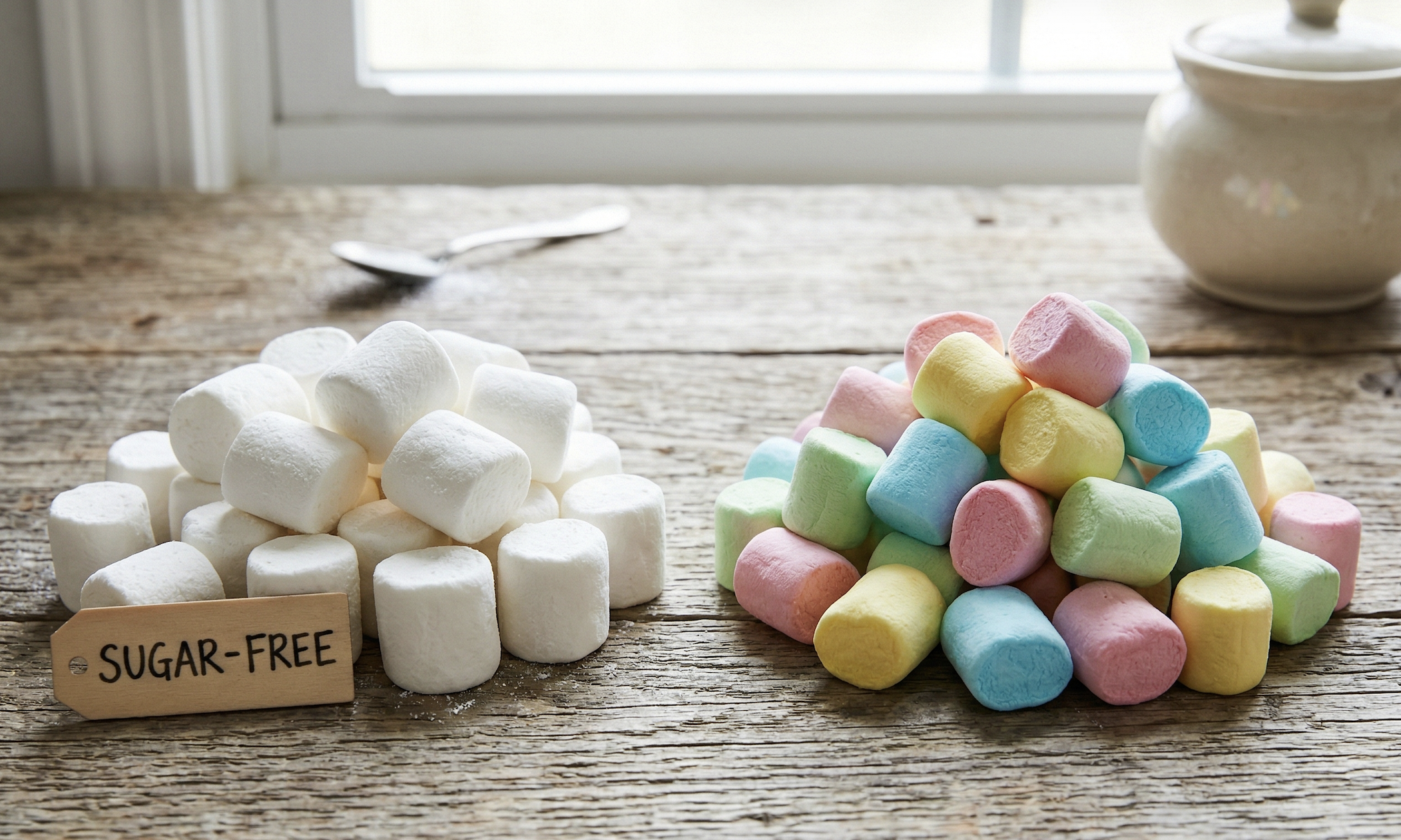
As a marshmallow manufacturer, one of the most common questions I get from wholesale clients is about sugar-free options. The demand is understandable. Everyone wants to offer healthier choices. But the reality of producing a good sugar-free marshmallow is far more complicated than just swapping sugar for a substitute. In my years of experience, I've seen that the "solution" often creates more problems than it solves. I want to walk you through the technical challenges so you can make the best decision for your business and your customers. We will look at why this is so difficult and what it means for you as a buyer.
Why Is Making a Good Sugar-Free Marshmallow So Hard?
You want to add a popular sugar-free item to your product line. But every sample you receive is dense, chewy, or has a strange aftertaste. Let's look at why.
Sugar provides much more than just sweetness in a marshmallow. It is the literal backbone of the product, creating its light, airy structure and keeping it fresh. Replacing sugar is not a simple swap; it requires re-engineering the entire product, often with poor results.
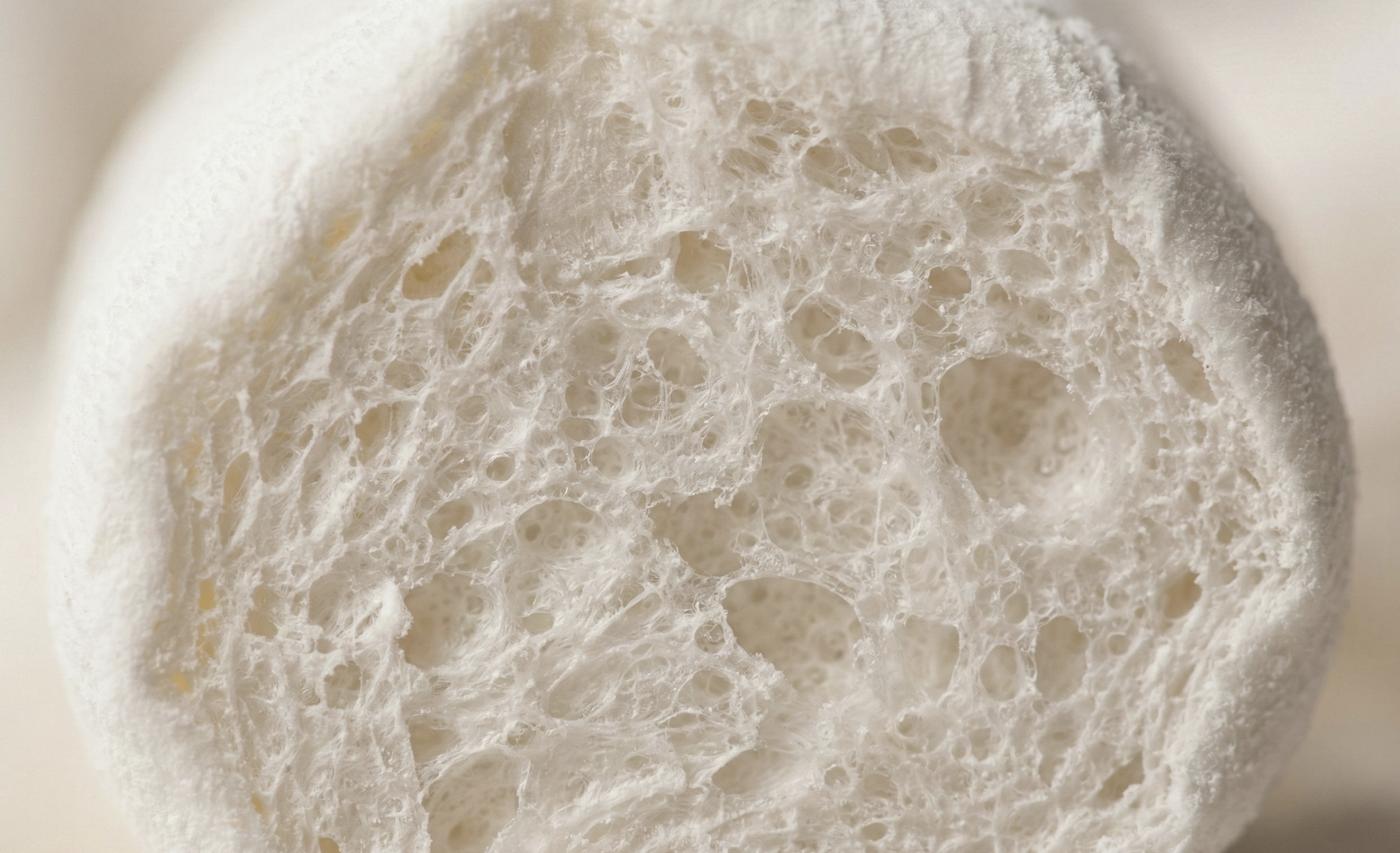
When people think of sugar in marshmallows, they only think of the sweet taste. But in my factory, we know sugar does two critical jobs. If we remove it, the whole product falls apart. Understanding these two jobs is key to understanding why a true sugar-free marshmallow is almost a fantasy product for the mass market.
The Dual Role of Sugar: Structure and Sweetness
First, sugar provides the physical structure. During the cooking process, the sugar syrup is whipped with gelatin5. As it cools, the sugar forms a complex crystal lattice. This lattice is what traps air bubbles and creates the soft, fluffy, and voluminous texture we all expect from a marshmallow. Sugar substitutes, like erythritol or stevia, simply do not have the same molecular properties. They are great for sweetness, but they don't have the bulk or the ability to form this delicate crystal structure. The result is often a product that is dense, gummy, and flat. It just doesn't feel like a marshmallow.
The Problem with Sugar Substitutes
Second, sugar controls the moisture in the product. This is a critical function for both texture and shelf life2. Sugar is hygroscopic6, meaning it attracts and holds onto water molecules. This is what keeps a marshmallow soft and prevents it from drying out too quickly. Sugar substitutes don't manage water in the same way. This leads to a product that can become either hard and brittle or wet and sticky over a short period. The table below breaks down the core differences.
| Feature | Real Sugar | Common Sugar Substitutes (e.g., Erythritol) |
|---|---|---|
| Structure | Forms a crystal lattice, creates fluffiness | Does not form the same structure; results in a dense product |
| Bulk | Provides volume and body | Provides sweetness but very little bulk |
| Moisture Control | Manages water content, keeps texture soft | Poor water management, leads to unstable texture |
| Taste | Clean, sweet taste | Can have a "cooling" effect or a chemical aftertaste |
What Happens to Shelf Life When You Remove Sugar?
You need products with a stable, long shelf life2 for your retail business. But you find that sugar-free samples expire in weeks, not months, creating inventory risk. Here's why.
A standard marshmallow is over 90% sugar, which is a powerful natural preservative. By removing the sugar, you remove the product's main defense against mold and bacteria7. This can slash the shelf life2 from over a year to just a few weeks without chemical intervention.
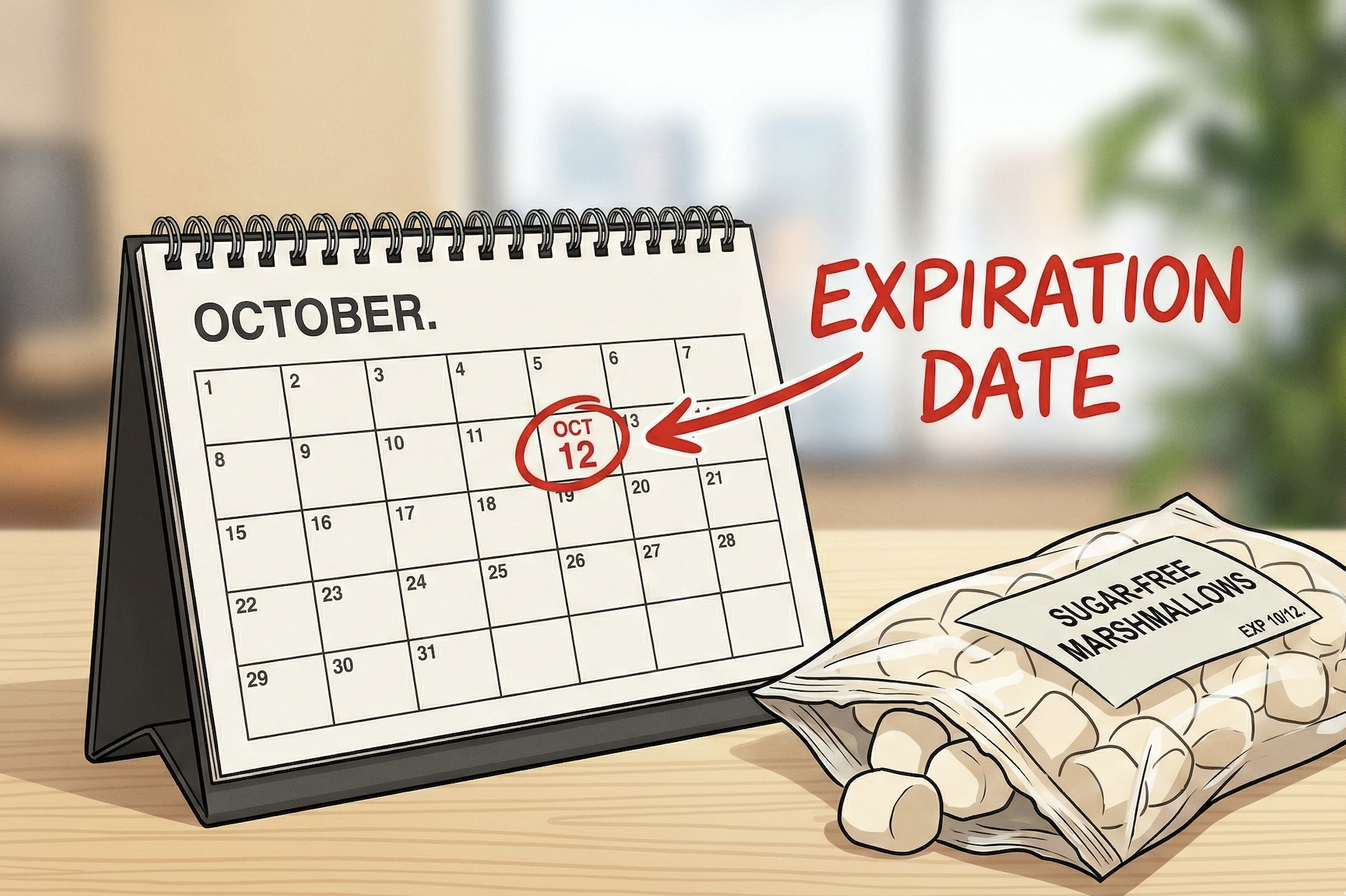
In the food industry, we have a concept called "water activity." It's a measure of the "free" water in a product that is available for microbes like mold and bacteria7 to use to grow. To have a long shelf life2 without refrigeration, you need to have very low water activity. This is the secret behind why products like honey, jam, and, yes, marshmallows can sit in your pantry for months without spoiling.
Sugar as a Natural Preservative
Sugar is the key to this process. The high concentration of sugar in a marshmallow recipe binds with the water molecules. This effectively "locks up" the water, making it unavailable for microbial growth. So, even though a marshmallow feels moist, the water in it isn't free for bacteria to use. This is why a traditional, custom-shaped marshmallow from our factory can have a shelf life2 of 12 to 18 months. It’s preserved by one of the oldest and most natural preservatives8 known: sugar.
The Challenge of Sugar-Free Preservation
When you take the sugar out, this entire preservation system collapses. The water that is necessary for the marshmallow's soft texture is now "free" and available. This turns the marshmallow into an ideal environment for mold and bacteria7 to thrive, especially at room temperature. The shelf life2 plummets. Instead of a year, you might only get a few weeks before the product spoils. For a wholesaler or retailer, this is a major problem. It means a higher risk of waste, customer complaints, and lost revenue. To make a sugar-free marshmallow commercially viable, we are forced to look for another solution, which brings its own set of problems.
| Feature | Traditional Marshmallow | Sugar-Free Marshmallow (No Additives) |
|---|---|---|
| Main Preservative | Sugar (Natural) | None |
| Water Activity | Very Low | High |
| Risk of Spoilage | Low | Very High |
| Typical Shelf Life | 12-18 Months | 2-4 Weeks |
Are Added Preservatives the Only Solution for Sugar-Free Marshmallows?
Your customers are asking for "clean label9" and natural products. But to make a sugar-free marshmallow last, you must add chemical preservatives they are trying to avoid. This is the central conflict.
To achieve a commercially viable shelf life2, sugar-free marshmallows1 almost always require artificial preservatives4. Ingredients like potassium sorbate or sodium benzoate must be added to prevent spoilage. This creates a difficult choice for brands targeting health-conscious consumers.
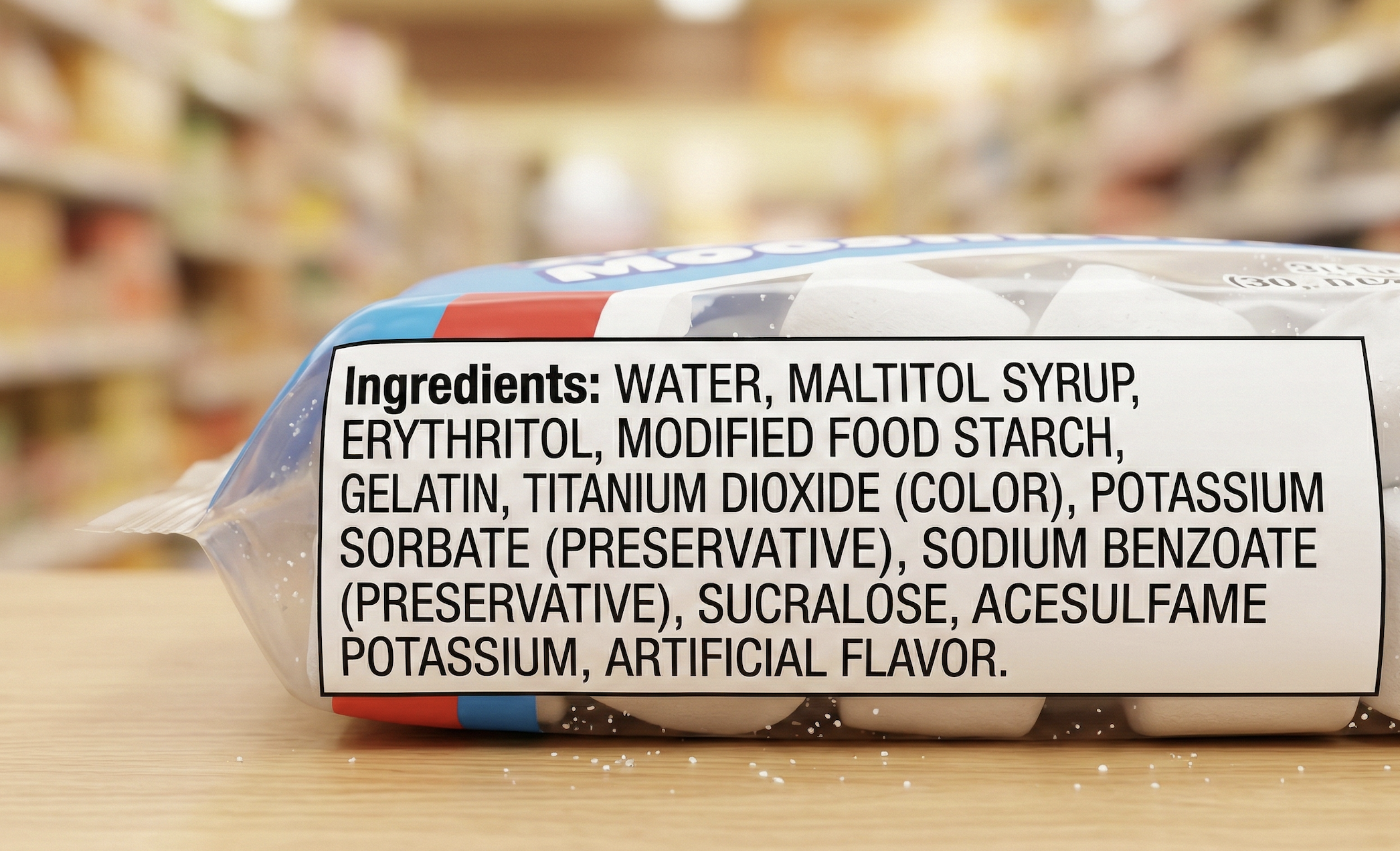
This brings us to the core paradox of sugar-free marshmallows1. The very customer who is looking for a "healthier" sugar-free option is often the same person who carefully reads labels to avoid artificial ingredients and chemicals they can't pronounce. As a manufacturer, this puts us in a difficult position, and it puts you, the buyer, in a tough spot for marketing.
The "Clean Label" Paradox
A "clean label9" product typically has a short list of simple, recognizable ingredients. A traditional marshmallow3 fits this description well: sugar, water, gelatin5, and natural flavors. It's a recipe that is easy for a customer to understand. A sugar-free marshmallow that is built to last on a store shelf cannot have a clean label9. Its ingredient list will include sugar alcohols10 (like erythritol or maltitol) and chemical preservatives (like potassium sorbate, sodium benzoate). This defeats the purpose for many consumers. They trade sugar for a list of chemicals, which doesn't feel like a healthier choice.
The Business Decision: Natural Sugar vs. Artificial Preservatives
While preservatives like potassium sorbate are approved as safe by agencies like the FDA, they don't have a great reputation with health-focused shoppers. Some consumers worry about potential effects on metabolism or gut health. Whether these fears are scientifically proven is not the point; the perception is what drives purchasing decisions. So you are left with a choice:
- A traditional marshmallow3 with natural sugar. You can market it as a fun, portion-controlled treat with a simple, clean ingredient list.
- A sugar-free marshmallow with artificial preservatives4. You cater to the "no sugar" demand but risk alienating customers who want "all-natural" products.
In my experience, being honest about what a marshmallow is—a treat—is a much better business strategy. Trying to position it as a health food by using chemical workarounds often fails to satisfy anyone.
So, What's the Best Wholesale Strategy for 'Healthier' Marshmallows?
You're stuck between customer demand for sugar-free and the poor quality of the products. You feel like it is a dead end. The best strategy is to reframe the conversation.
Instead of chasing a flawed sugar-free product, a better strategy is to lean into what makes marshmallows great. Focus on high-quality, creatively shaped marshmallows made with natural sugar. Market them as a fun, occasional treat and highlight the simple, recognizable ingredient list.
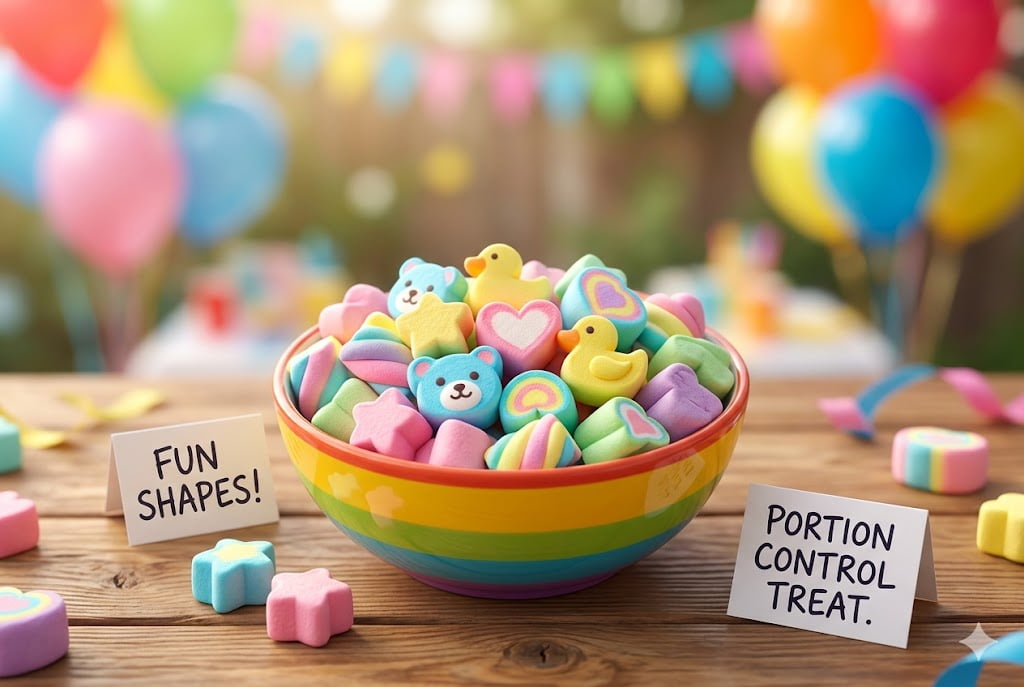
After years of exploring sugar-free options for clients, I advise most of them to adopt a different approach. Rather than trying to make a marshmallow something it's not (a health food), the most successful brands embrace it as an indulgence and focus on quality, fun, and transparency.
Strategy 1: Focus on Portion Control and Fun
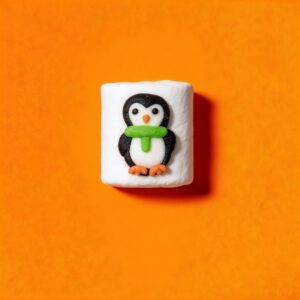
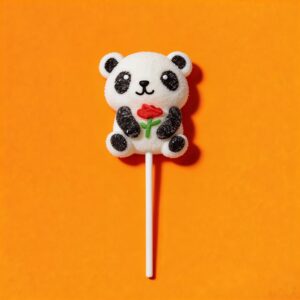
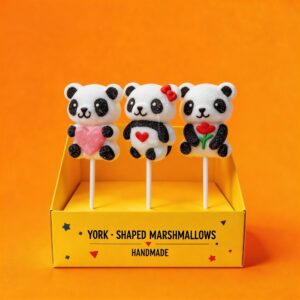
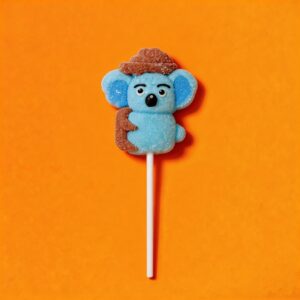
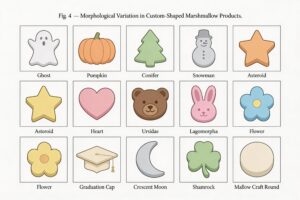
Shaped marshmallows are perfect for this. When you offer a small, fun animal shape, a logo, or a festive design for a holiday, the focus shifts from nutrition to experience. A single, cute marshmallow on a hot chocolate is a delightful treat, not a diet-breaker. This encourages portion control11 naturally. The value is in the unique shape and the joy it brings, not its nutritional panel12. This is a powerful selling point for event planners, gift basket companies, and coffee shops who use our custom products.
Strategy 2: Highlight the Simple, Natural Ingredient List
A powerful marketing angle is to compare the ingredient list of a traditional marshmallow3 to a sugar-free one.
- Your Traditional Marshmallow: Sugar, Water, Gelatin, Natural Flavor, Natural Color.
- A Typical Sugar-Free Marshmallow: Water, Maltitol Syrup, Erythritol, Gelatin, Modified Food Starch, Artificial Flavor, Potassium Sorbate (Preservative), Sucralose.
Which one sounds more appealing to a parent or a health-conscious shopper? By celebrating your simple, classic recipe, you position your product as more natural and trustworthy. You are selling a real treat, not a chemical substitute. As a factory with BRC, FDA, and SMETA certifications, we stake our reputation on quality ingredients, and a simple recipe is a sign of quality.
Conclusion
Sugar-free marshmallows exist, but they are a product of compromise. For wholesale, traditional shaped marshmallows offer a more reliable, natural, and marketable product for you and your end customers.
---Explore options for sugar-free marshmallows that maintain quality and taste without compromising health. ↩
Discover methods to enhance the shelf life of sugar-free products while maintaining quality. ↩
Explore the simple ingredients that make up traditional marshmallows and their benefits. ↩
Learn about the impact of artificial preservatives on health and how they affect food quality. ↩
Discover the role of gelatin in food products and its importance in texture and stability. ↩
Understand the term hygroscopic and its significance in food moisture management. ↩
Learn effective strategies to prevent mold and bacteria growth in food items. ↩
Learn about natural preservatives that can help extend shelf life without artificial additives. ↩
Explore the concept of clean labels and why they matter to health-conscious consumers. ↩
Find out about sugar alcohols, their benefits, and potential health concerns. ↩
Discover strategies for portion control that can help manage snack consumption. ↩
Understand how to read nutritional panels to make informed food choices. ↩