Struggling to find marshmallows that meet Halal standards1? This uncertainty can alienate a massive market. We'll guide you through the complexities of sourcing genuinely Halal-compliant marshmallow products.
Yes, marshmallows can be Halal, but the key is the gelatin source2. To be considered Halal, marshmallows must use gelatin from bovine (cow) or fish sources, and the entire production process must be certified to prevent cross-contamination3 with non-Halal ingredients like pork.
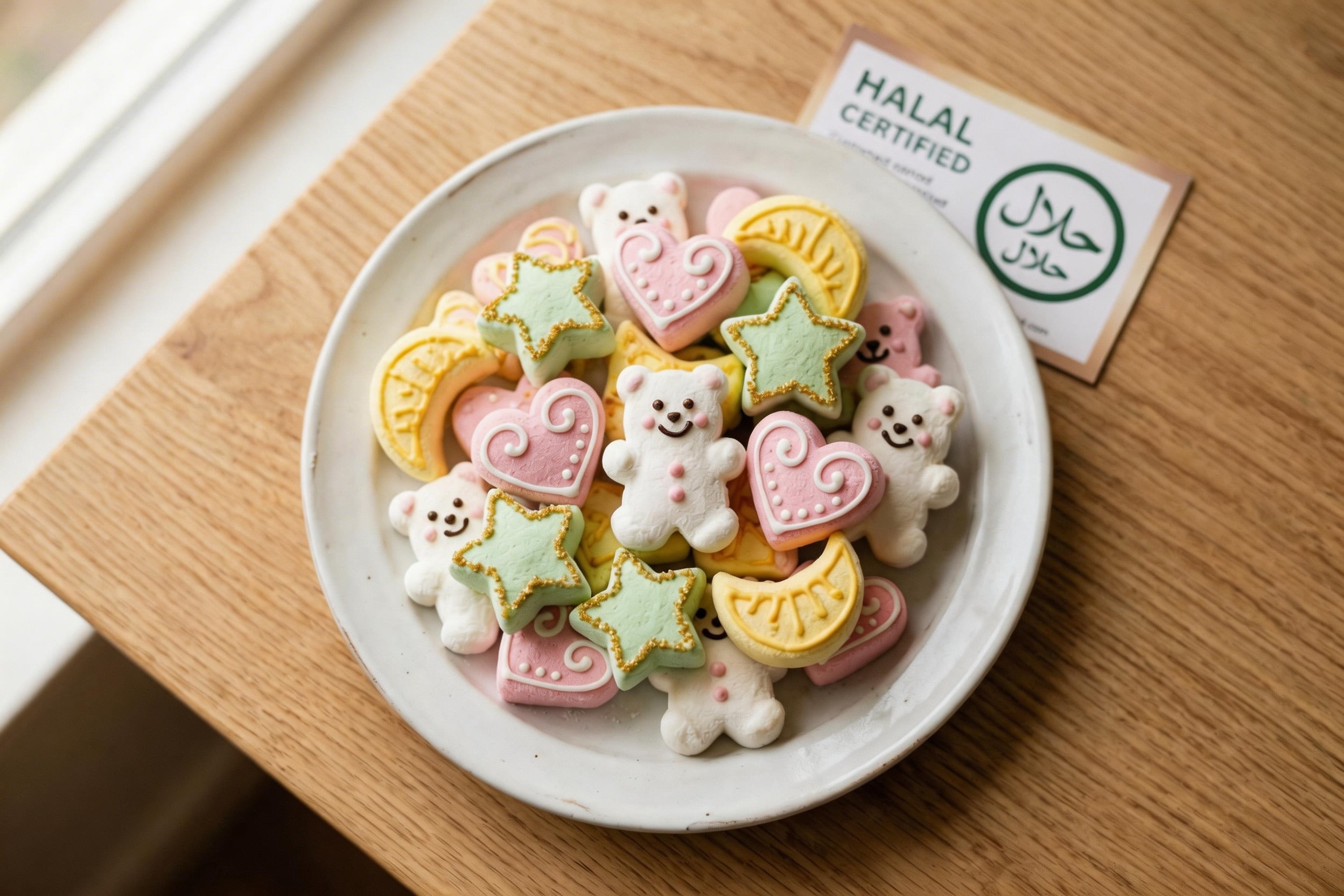
I've spent years in the marshmallow manufacturing business, and I've seen countless buyers struggle with this exact issue. Serving the global Muslim community, which includes over two billion people, is a huge opportunity, but it requires diligence. You can't just take a supplier's word for it. This guide will break down everything you need to know, from the specific ingredients to factory practices4, so you can source with total confidence and build trust with your customers. Let's get into the details.
What Makes Gelatin in Marshmallows Halal or Haram?
Confused about different types of gelatin? Choosing the wrong one makes your product strictly Haram. This single mistake can cut you off from millions of consumers and hurt your brand.
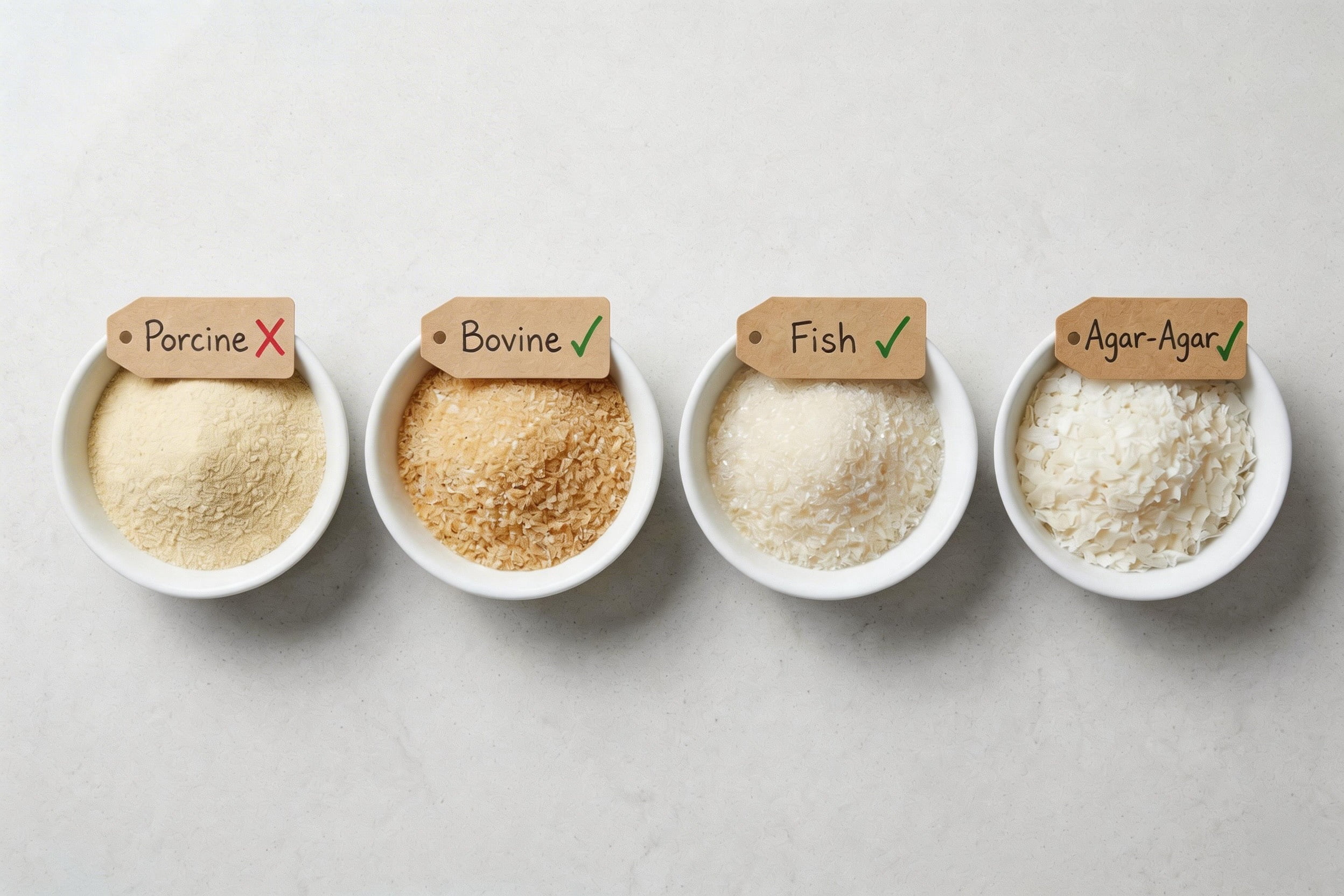
The source of the gelatin is the most critical factor. Gelatin from pigs (porcine) is always Haram (forbidden). Gelatin from cows (bovine) or fish is potentially Halal, but only if the animal was slaughtered according to Islamic law (Zabiha5) and processed in a compliant way.
Gelatin is the magic ingredient that gives marshmallows their unique springy, fluffy texture. It's a protein derived from animal collagen. However, not all gelatin is created equal in the eyes of Islamic law. As a manufacturer, we've dedicated a significant amount of our resources to sourcing and verifying the correct type of gelatin, because we know it's the foundation of a truly Halal product. It's not just about what the gelatin is made from, but also how it's made.
The Critical Details of Gelatin Sources
The journey to a Halal marshmallow begins and ends with gelatin. Understanding the nuances is non-negotiable for any serious buyer.
-
Porcine Gelatin: This is derived from pigs and is the most common and cheapest form of gelatin. It is strictly Haram and can never be used in a Halal product. Any product containing it is forbidden for consumption by Muslims.
-
Bovine Gelatin: This is derived from cows. For bovine gelatin6 to be Halal, the cow must have been slaughtered according to Zabiha5 principles. This involves a swift cut to the throat by a sane adult Muslim, who recites the name of God (Allah) during the act. Simply being "from a cow" is not enough. The entire process must be overseen and certified. When we source our bovine gelatin6, we don't just get a certificate for the gelatin; we get proof that the entire supply chain, starting from the slaughterhouse, is Halal-compliant.
-
Fish Gelatin: This is derived from fish and is generally considered Halal without the specific slaughtering requirements of land animals. It's a great alternative, though it can sometimes have a slightly different texture and is often more expensive than bovine gelatin6.
Here is a simple table to break it down:
| Gelatin Source | Halal Status | Key Requirement(s) | Impact on Marshmallow |
|---|---|---|---|
| Pork (Porcine) | Haram | None; it's always forbidden. | Provides classic texture but is not an option for Halal products. |
| Cow (Bovine) | Halal | Must be from a Zabiha5-slaughtered cow and certified. | Excellent classic texture; the industry standard for Halal marshmallows. |
| Fish | Halal | Must not be contaminated with non-Halal ingredients. | Good texture, though can be slightly different. A solid alternative. |
| Plant-Based (e.g., Agar-Agar) | Halal | Plant source. | Creates a different, often denser or less chewy texture than traditional marshmallows. |
Why Is Halal Certification More Than Just an Ingredient List?
You've confirmed the supplier uses Halal gelatin. But is that really enough? Cross-contamination can instantly make a product Haram, even with the right ingredients, leading to costly recalls and broken trust.
Halal certification7 covers the entire production process, not just the raw materials. It guarantees that the factory has strict controls to prevent any contact with non-Halal substances, follows rigorous cleaning protocols, and maintains full traceability8 from ingredient sourcing9 to final packaging. A certificate is proof of this holistic commitment.
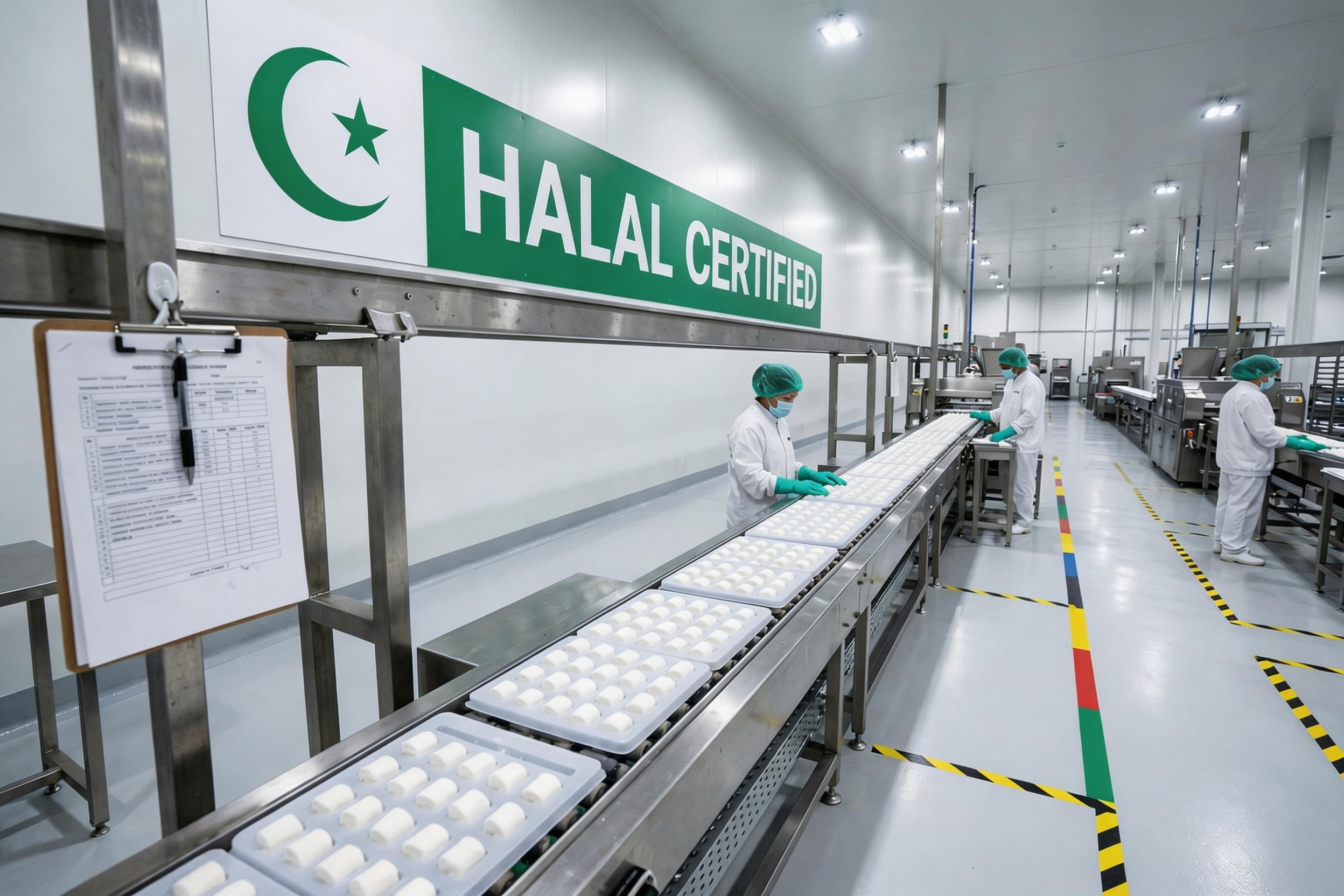
I once visited a potential partner factory that claimed they could produce Halal marshmallows because they could buy Halal gelatin. During the tour, I saw them storing the Halal gelatin bags right next to open containers of pork-based ingredients for another product line. Worse, they planned to use the same mixing vats and depositing nozzles for both runs, with just a quick water rinse in between. This is a perfect example of how a product with "Halal ingredients" can be completely Haram. True Halal integrity10 is about process control.
Beyond the Label: Auditing the Full Production Process
A Halal certificate isn't just a piece of paper; it's a guarantee of process. It ensures the integrity of your product from start to finish. Without it, you are simply guessing.
-
Cross-Contamination Risk: This is the biggest danger in a multi-product factory. Contamination can happen anywhere: shared storage areas, unclean mixing tanks, conveyor belts that previously carried Haram products, or even from the oil used to lubricate machinery. A certified factory has protocols to eliminate these risks.
-
Dedicated vs. Shared Lines: The gold standard is a fully dedicated production line11 used only for Halal products. This physically eliminates any chance of cross-contamination3. At our factory, we offer this for large-volume orders. The alternative is a shared line, which is acceptable only if it undergoes a rigorous, documented ritual cleaning process supervised by a Halal authority before a Halal production run begins.
-
Full Supply Chain Traceability: Certification requires a factory to track every single ingredient back to its source. This means we have to show the Halal certificate for our bovine gelatin6, our sugar, our flavorings, and even our packaging materials to prove they are all compliant and have not come into contact with anything Haram.
This table highlights the difference between a supplier who is simply "Halal-friendly" and one who is truly "Halal-certified."
| Aspect | "Halal-Friendly" (Uncertified) | "Halal-Certified" (Certified) |
|---|---|---|
| Ingredients | Claims to use Halal ingredients like bovine gelatin6. | Provides certificates for every single ingredient, proving its Halal status. |
| Production | Often uses shared lines with basic cleaning. High risk of cross-contamination3. | Uses dedicated lines or performs supervised ritual cleaning on shared lines. |
| Storage | May store Halal and Haram materials together in the same warehouse area. | Has physically separate, clearly marked storage areas for all Halal materials. |
| Traceability | Cannot provide a full audit trail for all components. | Maintains complete records tracking every ingredient from source to final product. |
| Verification | Relies on verbal promises. | Backed by a valid certificate from a recognized Halal authority. |
How Can Buyers Verify a Supplier's Halal Claims?
A supplier tells you their marshmallows are Halal, but how can you be sure? Fake certificates and loose factory practices4 are real risks. Trusting the wrong supplier can lead to disastrous consequences.
Always request the official Halal certificate and verify it with the issuing body. Check its expiration date and scope. Most importantly, conduct your own factory audit—either in person or via a third party—to witness their processes and confirm they walk the talk.
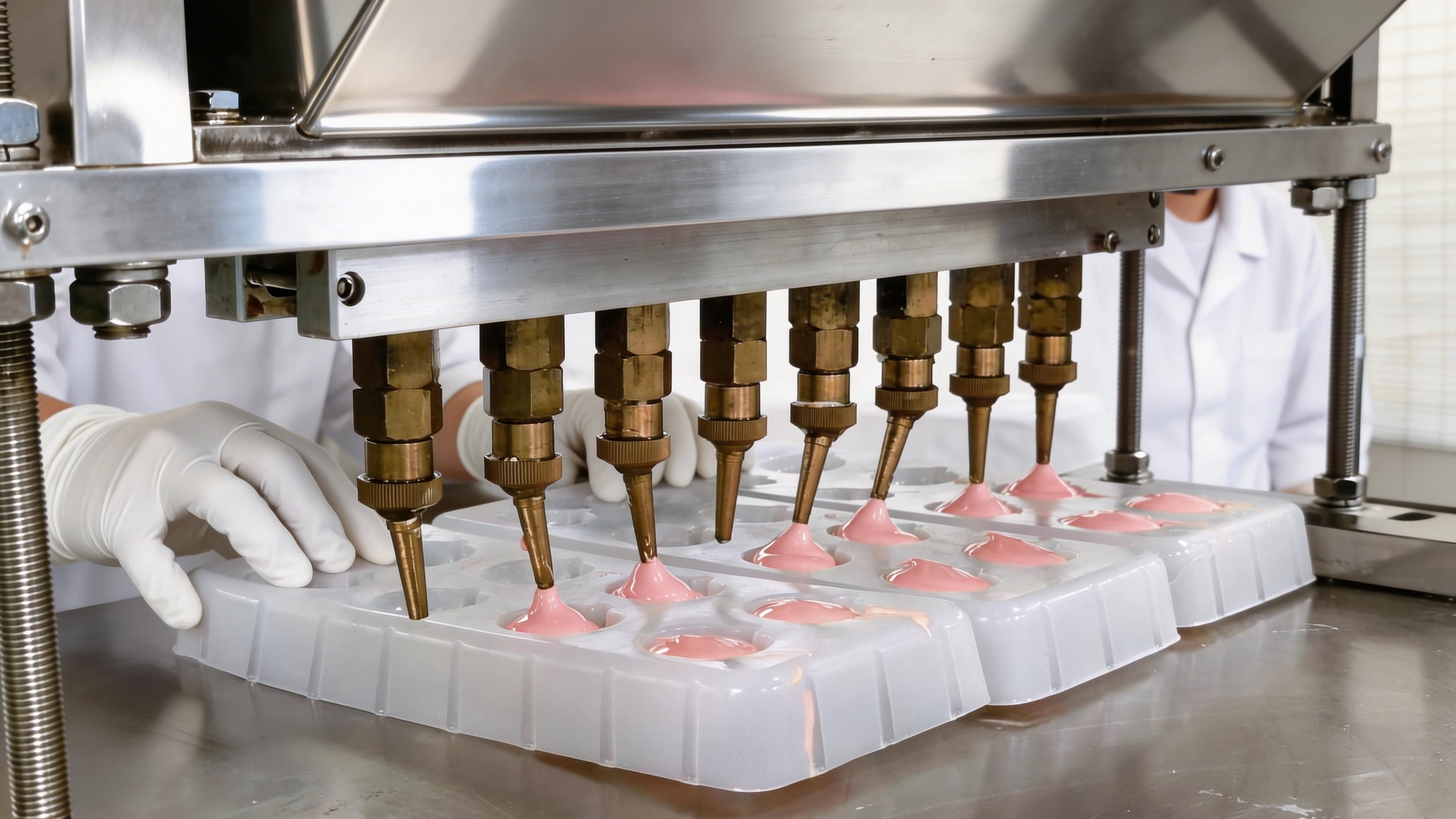
In this business, trust must be earned through transparency. We welcome audits because we are proud of our processes. In fact, our other certifications like BRC and SMETA already require a high level of transparency and process control, which naturally supports our Halal program. A supplier who is hesitant to show you their documentation or let you see their facility should be a major red flag. Your brand's reputation is on the line, so due diligence is not optional; it's essential.
Your Due Diligence Checklist for Sourcing Halal Marshmallows
Protect your business and your customers by following a systematic verification process. Here are the steps I recommend to every buyer.
1. Scrutinize the Halal Certificate
Don't just glance at it. A certificate is a legal document.
- Issuing Body: Is it from a globally recognized organization like IFANCA, HFSAA, or another respected national body? A quick search can tell you if the certifier is legitimate.
- Validity: Check the issue and expiration dates. An expired certificate is worthless.
- Scope: Does the certificate cover the specific product you are buying (e.g., "shaped marshmallows")? Some certificates are for a factory in general or for a different product category.
- Verification: Many certification bodies have online databases where you can look up the certificate number to confirm its authenticity.
2. Demand Full Product Documentation
Go beyond the certificate and review the product's technical details12.
- Product Specification Sheet: This document should list every single ingredient. Look for explicit terms like "Certified Halal Bovine Gelatin," not just "gelatin."
- Ingredient Certificates: For critical components like gelatin, ask to see the Halal certificate for the ingredient itself. A reliable manufacturer will have this on file from their supplier.
3. Conduct a Factory Audit
This is the ultimate test. Seeing is believing.
- What to Look For: During a physical or virtual tour, check for separate storage for Halal materials, clear labeling, documented cleaning logs for production line11s, and staff who are knowledgeable about Halal procedures.
- Leverage Other Audits: If a factory has a recent SMETA audit report, it shows they are already committed to ethical and transparent operations. This is a strong indicator of a reliable partner.
Here are some signs to watch out for:
| Red Flag (Warning Sign) | Green Flag (Good Sign) |
|---|---|
| Vague answers about gelatin source2 ("it's from beef"). | Provides a certificate for their "Halal Bovine Gelatin." |
| Unwilling to provide a copy of the Halal certificate. | Proactively sends you the certificate and invites you to verify it. |
| Hesitant to allow a factory visit or virtual tour. | Welcomes audits and proudly shows their production setup and logs. |
| The certificate is expired or from an unknown organization. | The certificate is current and from a well-respected Halal authority. |
| Cannot explain their cross-contamination3 prevention procedures. | Has a clear, documented process for line cleaning and material segregation. |
Conclusion
Sourcing true Halal marshmallows requires diligent verification of ingredients, certification, and factory processes. This ensures you offer authentic products and build lasting trust with the global Muslim community.
Understanding Halal standards is crucial for sourcing compliant products and catering to the Muslim market. ↩
Learn about the different gelatin sources to ensure your marshmallows meet Halal requirements. ↩
Learn effective strategies to avoid cross-contamination and maintain product integrity. ↩
Explore best practices to ensure compliance with Halal standards in food manufacturing. ↩
Understanding Zabiha is essential for ensuring the Halal status of meat products used in food. ↩
Discover the Halal status of bovine gelatin and its importance in marshmallow production. ↩
Gain insights into the significance of Halal certification in food manufacturing. ↩
Discover the importance of traceability in maintaining Halal compliance throughout production. ↩
Learn the best methods for sourcing Halal ingredients to meet market demands. ↩
Learn how to uphold Halal integrity to build trust with consumers. ↩
Understand the concept of dedicated production lines and their role in Halal compliance. ↩
Discover the key technical details to review when sourcing Halal food products. ↩