Are you a marshmallow lover who needs to avoid dairy? It can be frustrating to pick up a treat, only to worry about hidden ingredients1. I'll help you understand what's safe.
Yes, traditional marshmallows2 are dairy-free3. The basic recipe contains only sugar, water, gelatin4, and air. However, many modern and gourmet marshmallows now include dairy ingredients like whey or milk powder for a creamier taste. Always check the label to be sure.
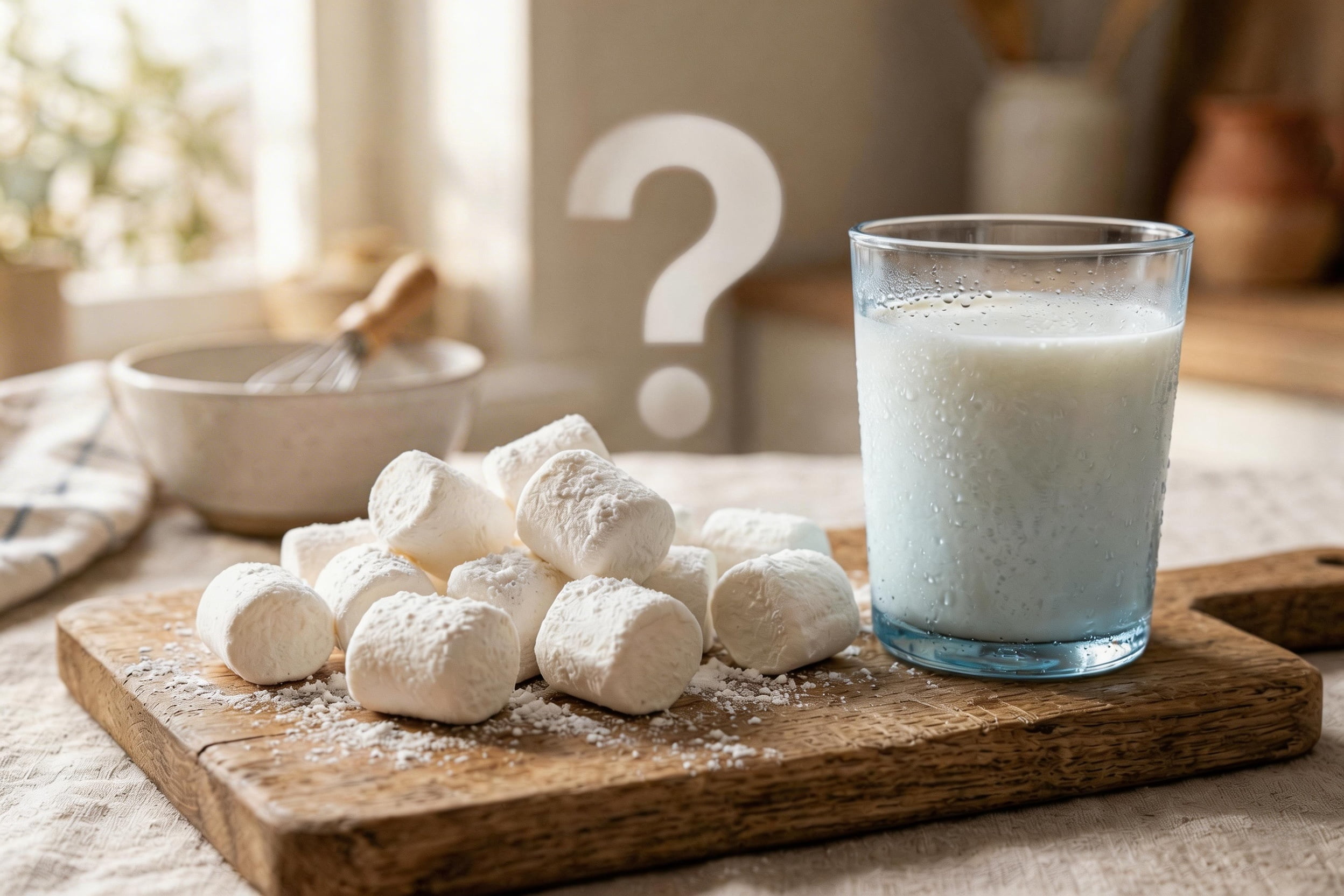
I've been in the marshmallow business for years, and I've seen the recipes change over time. The classic, fluffy marshmallow you remember from childhood is a simple, dairy-free3 confection. But today's market is full of new flavors and textures, and that's where things get tricky. So, how can you tell the difference and enjoy your treat without worry? Let's look closer at what goes into a marshmallow, so you can become an expert at spotting the dairy.
What ingredients in marshmallows could contain dairy?
You're standing in the aisle, reading a food label. The ingredient list is confusing, and you're not sure which terms mean dairy. This uncertainty can take the fun out of buying treats.
Look for specific words like whey5, casein6, milk solids7, milk powder, and butterfat8. Even "natural flavors" can sometimes hide dairy. The safest way is to find the allergen statement, which will clearly say "Contains: Milk" if dairy is present.
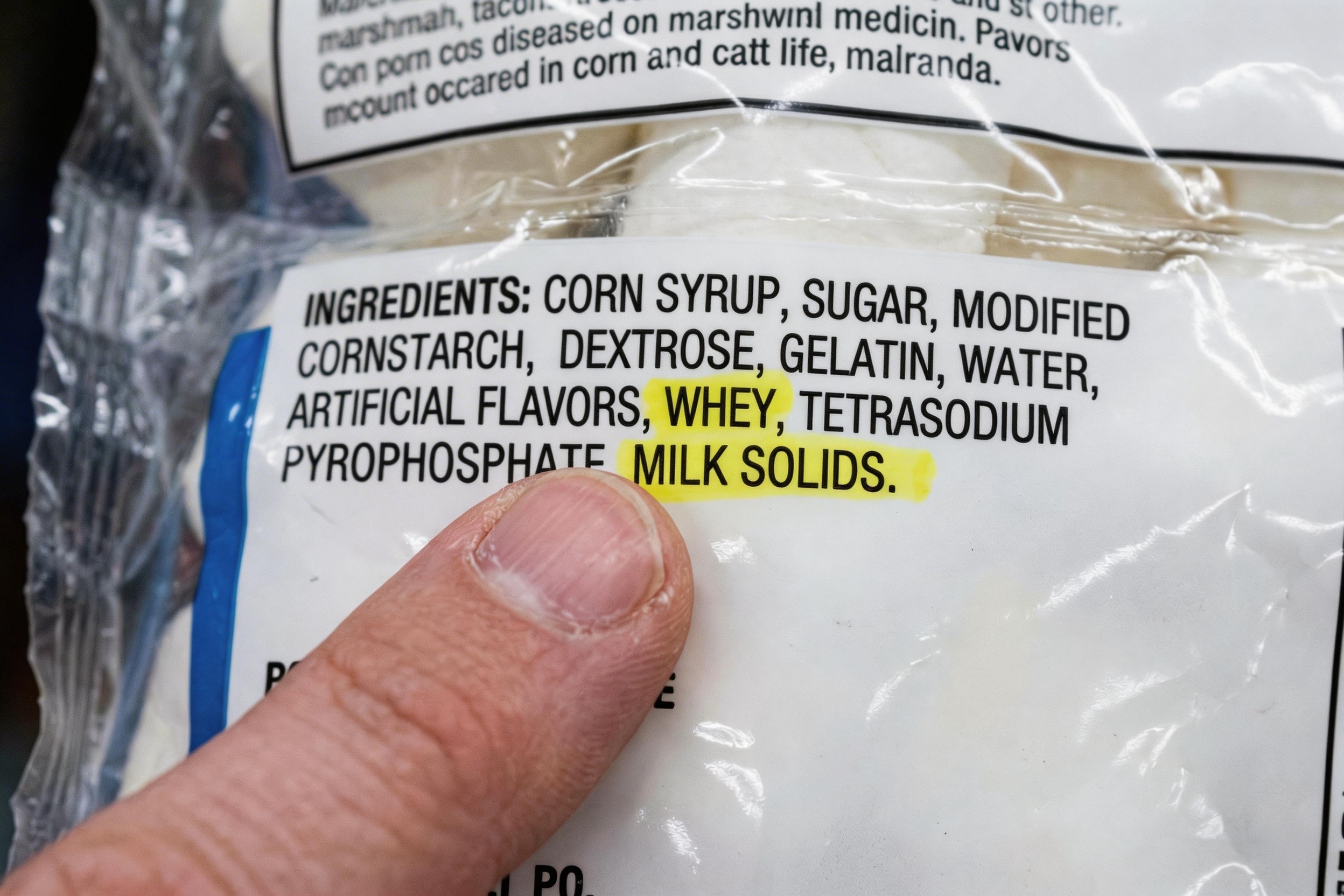
As a manufacturer, I deal with ingredient list9s every single day. We create custom marshmallows10 for clients all over the world, and ingredient transparency is critical. Some brands want a creamier, more ice cream-like marshmallow. To achieve that, we might use dairy-based additives11. These are the most common ones you need to watch out for.
Common Dairy-Based Additives
The move to add dairy is all about creating a richer flavor and a denser, creamier texture. It's a popular request for gourmet products. Here are the main culprits you'll see on a label.
- Whey or Whey Protein: This is a byproduct of making cheese. It's often added to marshmallows to make the texture softer and creamier. It also adds a subtle milky flavor.
- Milk Solids / Milk Powder: This is just dehydrated milk. It gives the marshmallow a very distinct milky, rich flavor, almost like a latte.
- Casein: This is the main protein found in milk. It can be used as a binder or to add a creamy texture.
- Butter or Butterfat: Sometimes, butter is used to add richness and a classic buttery taste, especially in flavors like "caramel swirl" or "buttered popcorn."
We offer these as options for clients who want them, but our default process is completely dairy-free3. Here’s a simple table to show what they do and what we can use as an alternative.
| Dairy Ingredient | Why It's Used in Marshmallows | Common Dairy-Free Alternative |
|---|---|---|
| Whey Protein | Creates a soft, creamy texture | Pea Protein or Soy Protein |
| Milk Powder | Adds a rich, milky flavor | Coconut Milk Powder or Oat Milk Powder |
| Butterfat | Provides a buttery taste | Coconut Oil or Vegetable Shortening |
Understanding these terms helps you quickly scan an ingredient list and know what you're looking at.
How are traditional dairy-free3 marshmallows made?
You might think that making those fluffy white pillows of sugar is a complex process. You wonder how they get so light and airy without cream or milk. I'll give you a peek inside our factory.
The process is surprisingly simple. We cook a syrup of sugar, corn syrup, and water to a very specific temperature. Then, we whip this hot syrup into bloomed gelatin4. Whipping forces air into the mixture, which creates the classic fluffy texture without any dairy.
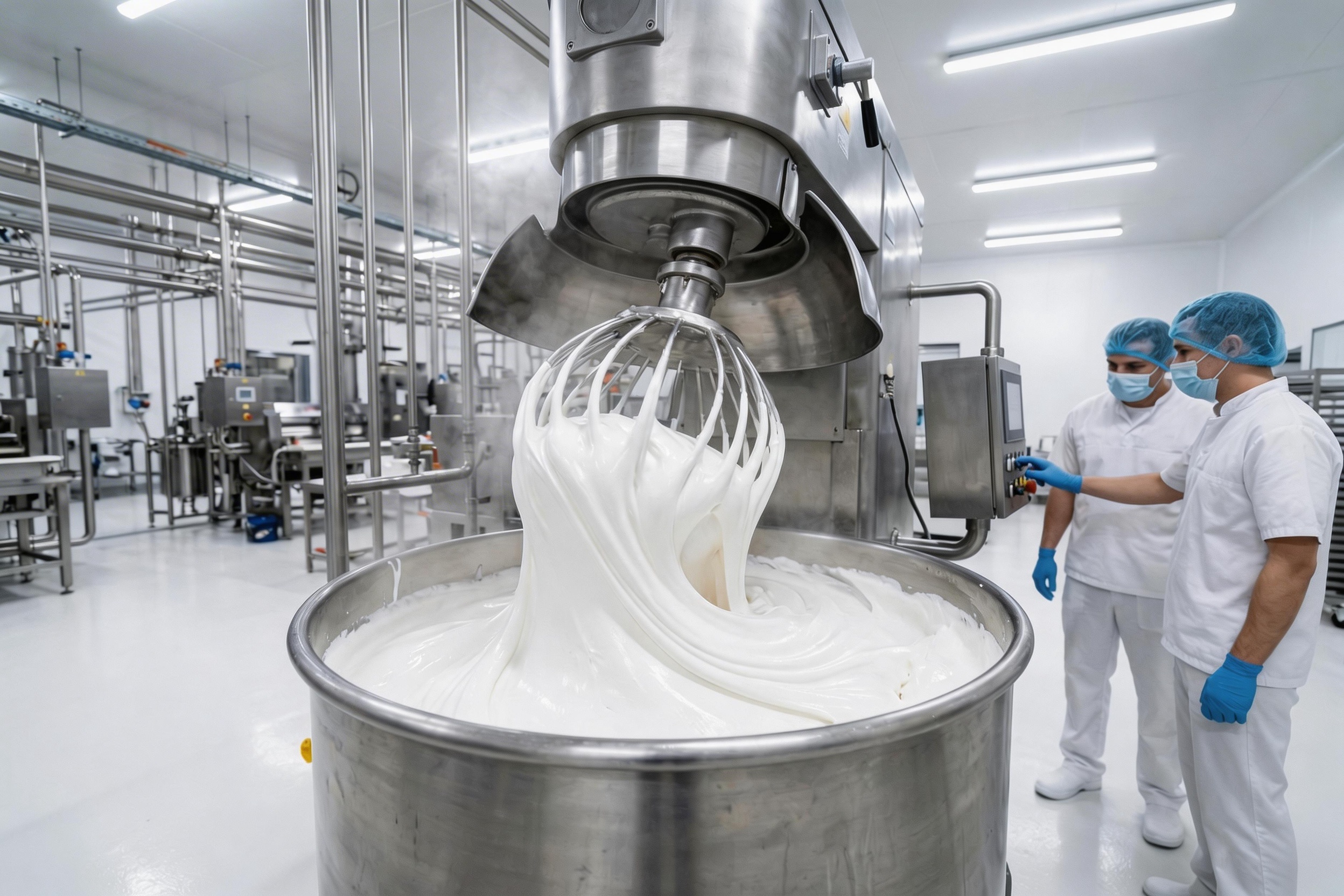
At our core, we are a factory that honors the traditional marshmallow-making method. It's a formula that has worked for decades and results in a delicious, stable, and allergen-friendly product. The entire structure and texture come from the magic of combining just a few key ingredients in a very specific way.
The Core Four Ingredients
Everything comes down to four simple components: gelatin4, sugar, water, and air.
- Gelatin: This is the backbone of the marshmallow. We use high-quality gelatin4 that, when mixed with hot syrup, creates a unique, elastic matrix. This matrix is what gives a marshmallow its signature chewiness and allows it to hold its shape.
- Sugar and Corn Syrup: This is the body. The combination of sugars is cooked to what's called the "soft-ball stage." The corn syrup is important because it stops the sugar from crystallizing, ensuring a smooth, non-gritty texture in the final product.
- Water: This is the solvent that dissolves the sugars and activates the gelatin4.
- Air: This is the secret ingredient that makes a marshmallow a marshmallow! In our factory, we use huge industrial mixers. We whip the hot syrup and gelatin4 mixture at high speed. This process incorporates millions of tiny air12 bubbles, which makes the dense syrup expand into a light, fluffy, and soft confection.
This simple, dairy-free3 process is the foundation for all the custom-shaped marshmallows we make, from ghosts for Halloween to logos for corporate events.
How can you be sure your custom marshmallows10 are dairy-free3?
You're planning an event or launching a product line. You need custom-shaped marshmallows, but you absolutely must guarantee they are dairy-free3 for your customers. This can feel like a huge risk.
When ordering from a manufacturer, you must be direct. State that your product must be "dairy-free3." Ask for a full ingredient specification sheet. A factory with BRC or ISO certifications will have strict allergen control13 plans to prevent cross-contamination.

This is a conversation I have with clients every week, especially those from Europe and the US where allergen laws are very strict. For us, guaranteeing a dairy-free3 product isn't just a promise; it's a process backed by international certifications. If you're sourcing marshmallows, this is what you should look for.
Partnering with a Certified Manufacturer
Working with a certified factory is the only way to have complete peace of mind. Certifications like BRC (British Retail Consortium) and ISO 22000 are not just pieces of paper. They prove that a factory has a robust food safety management system.
A huge part of this system is Allergen Control. Here’s how it works in our facility:
- Segregation: We store dairy-containing ingredients in a separate, designated area to prevent accidental mixing.
- Production Scheduling: We plan our production runs carefully. We will always run dairy-free3 products first, before any batches that contain dairy.
- Full Clean-Downs: After a production run that uses a dairy ingredient (for a specific client's recipe), our team performs a complete, documented "allergen clean-down." This involves disassembling, cleaning, and sanitizing all equipment to remove any trace of the allergen before the next production run begins.
Finally, we provide a Product Specification Sheet for every custom order. This document is your guarantee. It lists every single ingredient, including any sub-ingredients in flavors or colors, and has a clear, easy-to-read allergen declaration. This is the official document you can use to create your own packaging and confidently tell your customers that your marshmallows are dairy-free3.
Conclusion
Traditional marshmallows are dairy-free3, but always check labels on gourmet versions. For custom orders, partner with a certified factory to guarantee your product is safe and free from dairy.
Discover tips on spotting hidden dairy ingredients in marshmallows. ↩
Learn about the classic marshmallow recipe and its dairy-free status. ↩
Explore the advantages of choosing dairy-free marshmallows for your health and dietary needs. ↩
Discover the importance of gelatin in creating the classic marshmallow texture. ↩
Understand the role of whey in marshmallows and its implications for dairy-free diets. ↩
Learn about casein and its presence in marshmallow products. ↩
Find out how milk solids can impact the dairy content of marshmallows. ↩
Explore how butterfat contributes to the texture of marshmallows and its dairy implications. ↩
Get insights on reading ingredient lists to ensure your marshmallows are dairy-free. ↩
Get tips on ensuring your custom marshmallows meet dairy-free requirements. ↩
Identify common dairy-based additives to watch for in marshmallow products. ↩
Understand the significance of air in achieving the fluffy texture of marshmallows. ↩
Learn about allergen control practices that ensure safe food production. ↩